Benidorm will invest €100,000 in planting 400 trees in the final quarter of the year to create more shaded areas and mitigate the ‘urban heat island’ effect
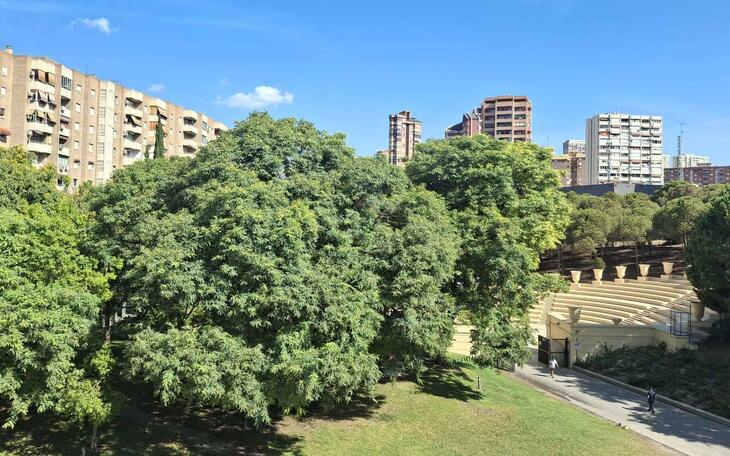
The City Council will plant mulberry, tipu and chinaberry trees, which are among the most leafy species
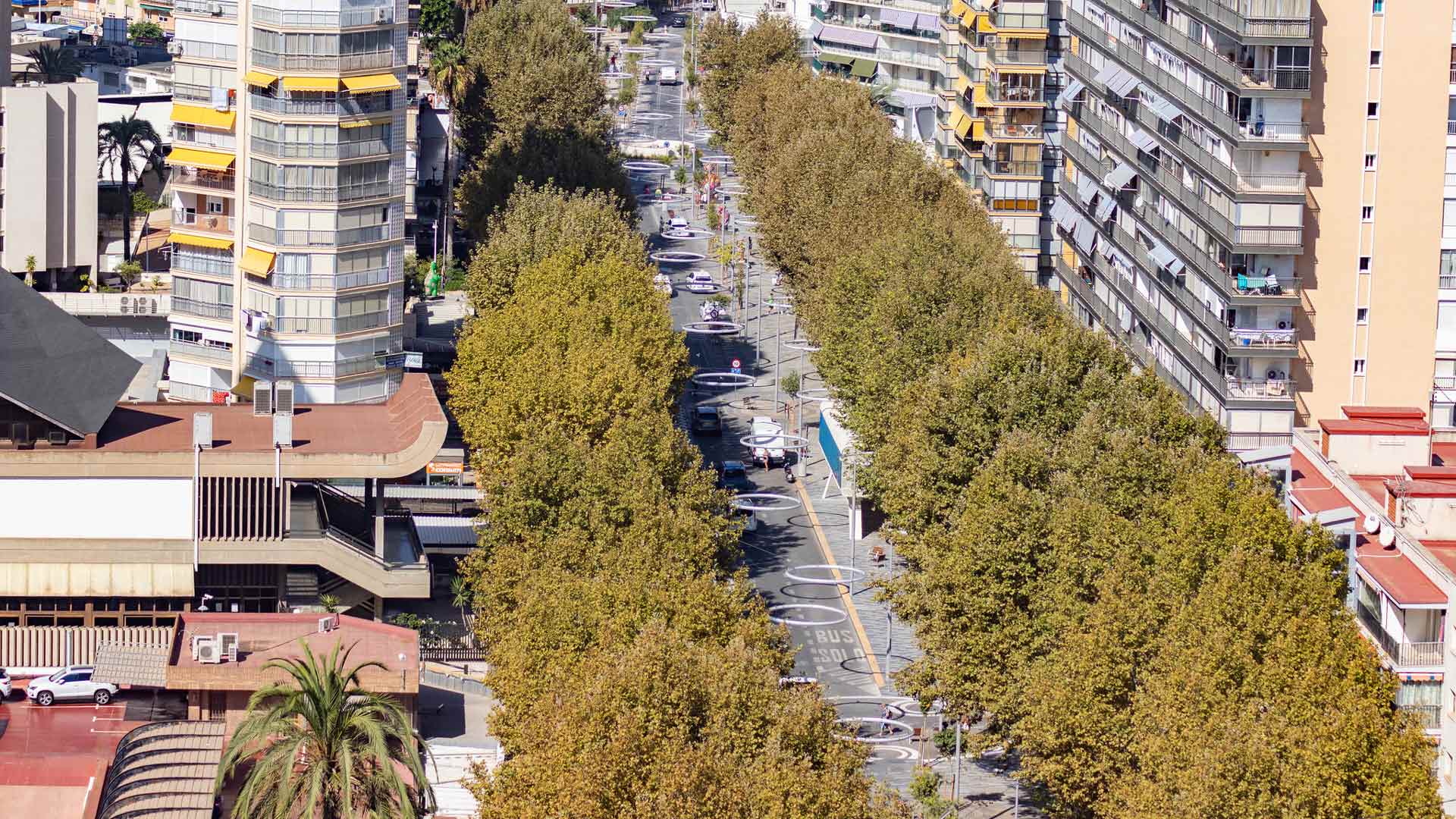
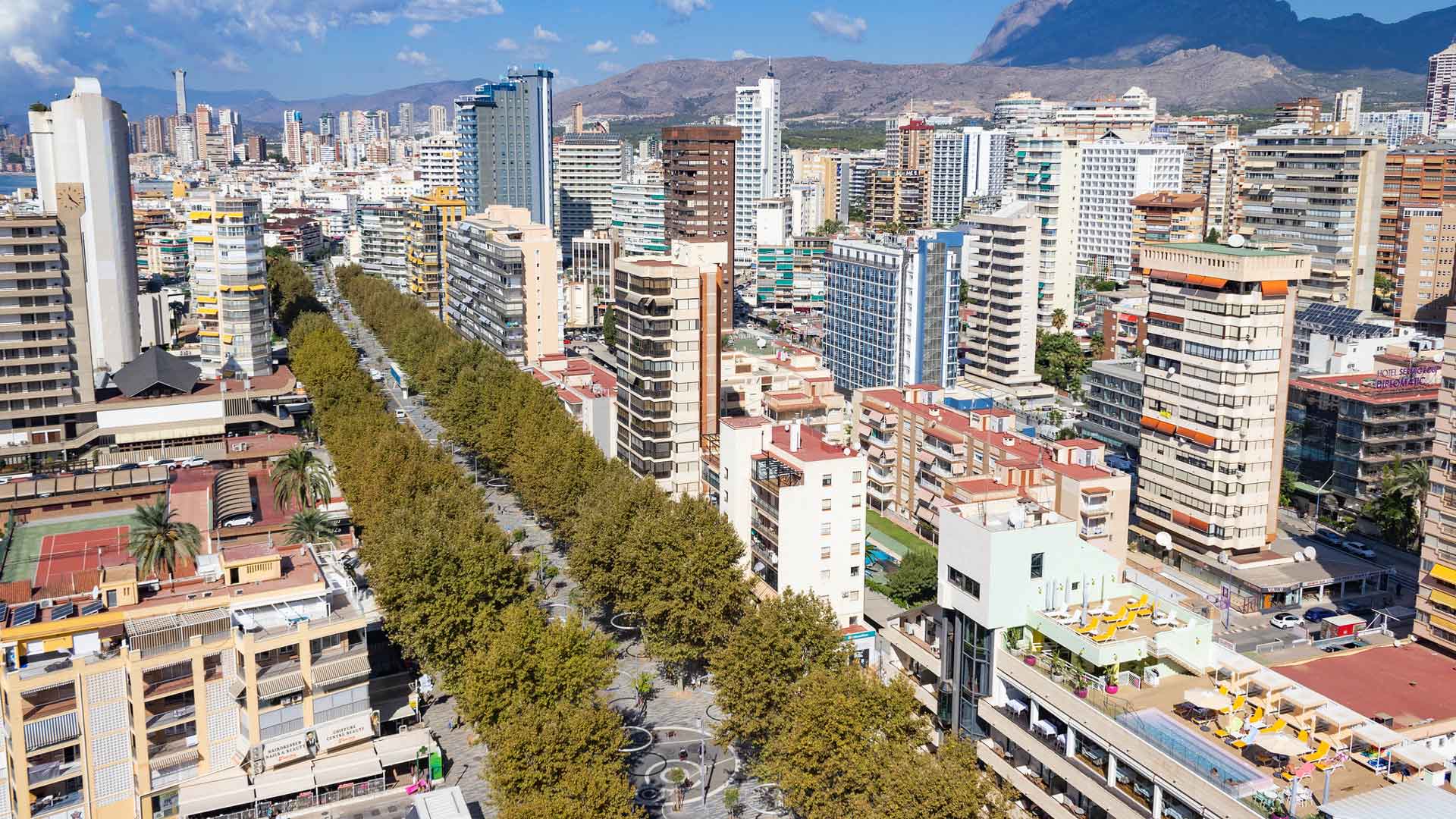
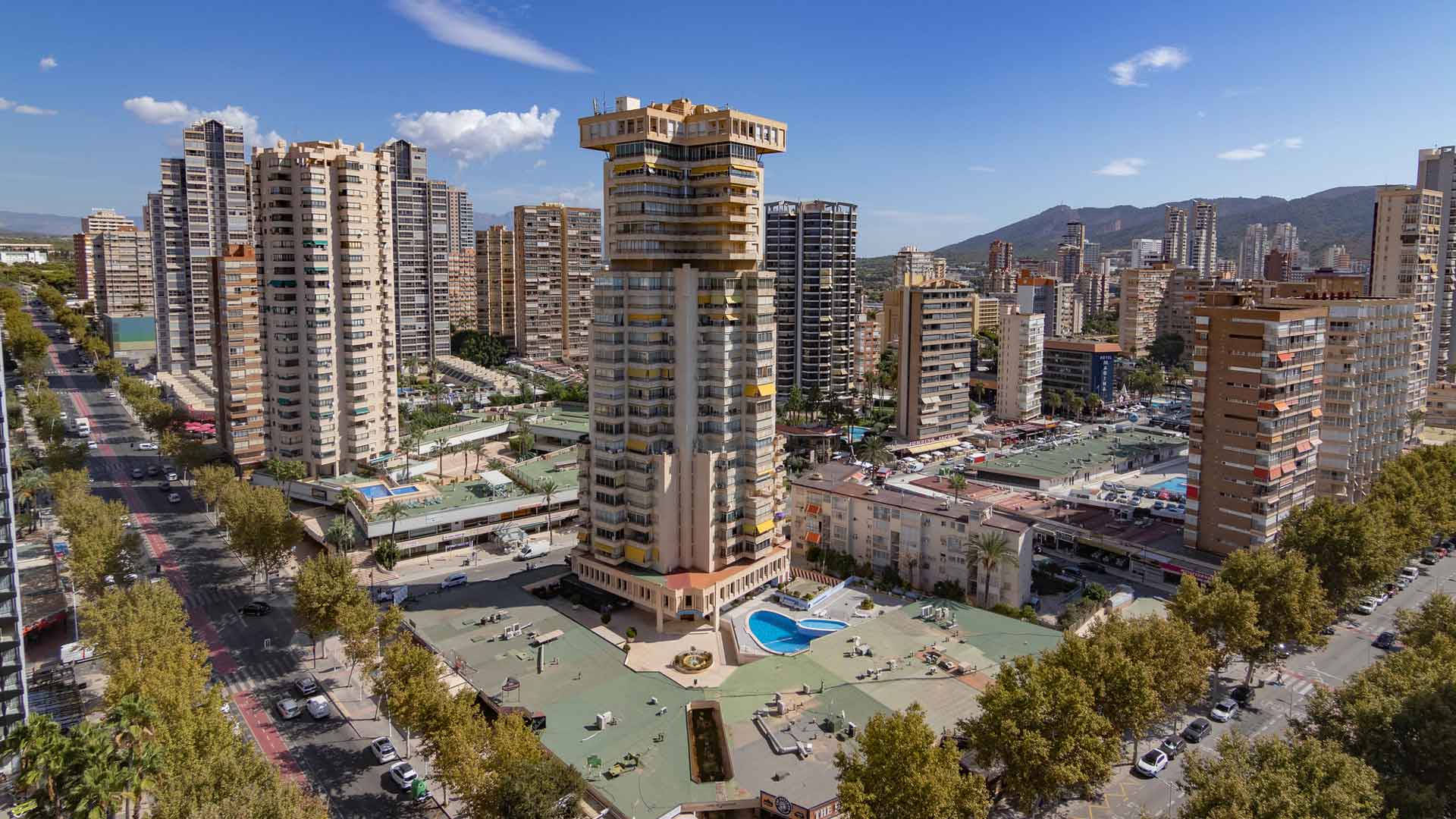
Benidorm City Council, through its Department of Parks and Gardens, will plant around 400 trees in urban areas of the municipality during the final quarter of the year to continue to increase shaded areas and mitigate, as far as possible, the ‘urban heat island’ effect caused by high temperatures in cities. To this end, it will invest just over €100,000 through several contracts that will be approved from next week onwards.
The species to be planted will include mulberry trees (Morus alba), tipu trees (Tipuana tipu) and chinaberry trees (Melia azedarach), as their dense foliage “provides greater amounts of shade for residents and visitors,” said José Ramón González de Zárate, Councillor for Parks and Gardens. “The Department continues to focus on planting trees in areas around schools, but also along streets, in squares and in landscaped areas to mitigate the ‘urban heat island’ effect, so that the shade provided by our trees benefits residents and allows them to enjoy the streets without the risk of suffering heatstroke,” the councillor added.
The head of the Parks and Gardens Department said that “the aim is to work towards reducing the impact of climate change on people and creating a more comfortable city.” “Planting trees where there are none and creating artificial shade where trees cannot be planted. This is producing spectacular results,” he added.
González de Zárate explained that these results can be seen in “temperature reductions of up to four or five degrees on streets where two or more rows of trees have been planted”. In his view, this approach means “creating a better city, encouraging people to go out into the streets, supporting local businesses and, ultimately, making visitors feel comfortable”.
In this regard, the councillor highlighted the link between an increase in shaded areas and greater commercial activity, a relationship reflected in several studies and one that directly affects activities such as leisure, hospitality and services. González de Zárate explained that “a person walking along a hot street tends to do so quickly, making them less likely to enter a shop, sit on a terrace or stop in front of a shop window. However, if the public space is pleasant, they may walk more slowly, look at businesses, sit on a terrace or spend more time in the shopping area.” This increased time spent in the area is of “particular importance” for activities such as restaurants, cafés, terraces, retail, tourism, leisure and services “as is the case in the city of Benidorm,” González de Zárate noted. In his view, shade “should be understood as an indirect economic asset of urban space, as well as an environmental service”.
He also argued that future urban planning should move towards a model in which trees are regarded as genuine urban infrastructure. “Just as a street needs paving, lighting, drainage and street furniture, certain streets and public spaces need high-quality natural shade,” he stressed. Therefore, he believes that investing in carefully selected, planted and maintained urban trees should not be viewed solely as an environmental measure or a cost, “but can also constitute an investment in residents’ comfort, tourist appeal, urban quality, social cohesion and the stimulation of the local economy.”