Benidorm completes the cleaning of urban sections of its ravines ahead of the expected arrival of torrential autumn rains
This preventive work is carried out throughout the year and is stepped up during August and early September
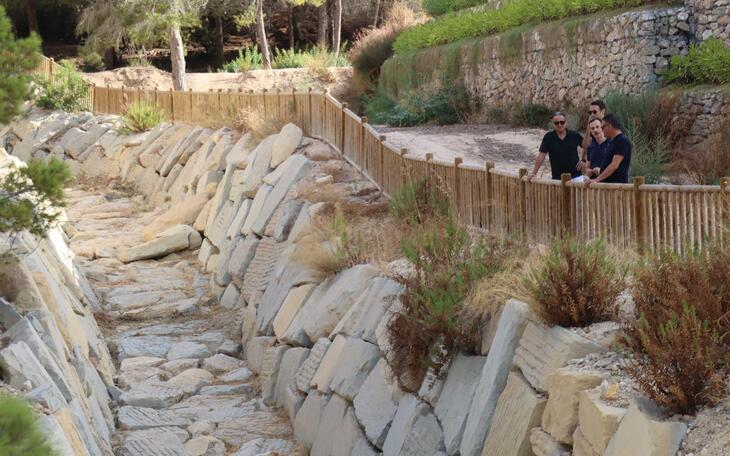
Benidorm City Council, through its Water Management Department and concessionaire Veolia, is carrying out its usual thorough cleaning of the urban sections of the ravines across the municipality at this time of year. The aim of this work is to “minimise the impact that potential torrential rainfall or DANA events could have on the city with the arrival of autumn”, said Councillor for Water Management José Ramón González de Zárate, who has inspected the condition of some of the ravines.
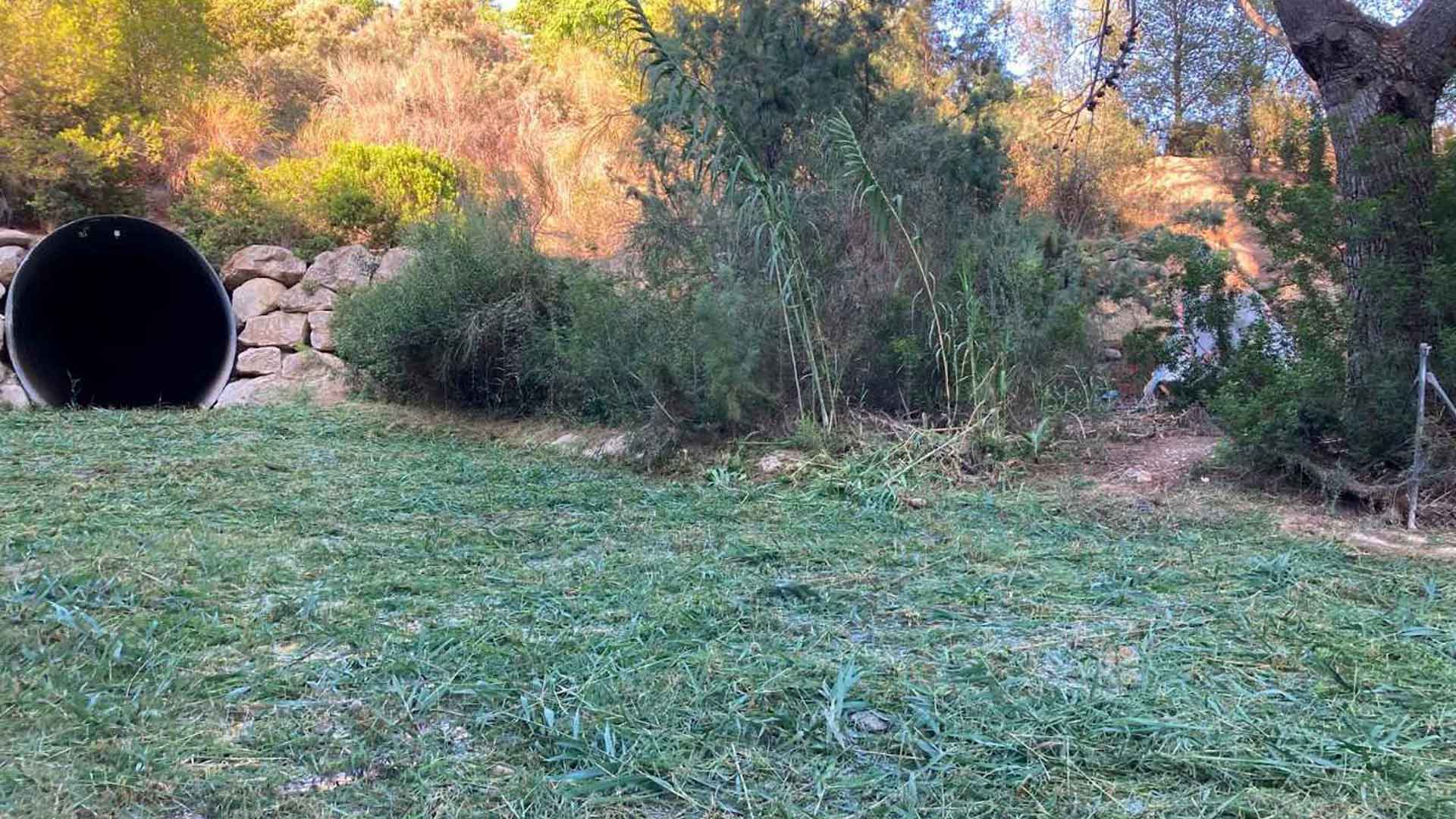
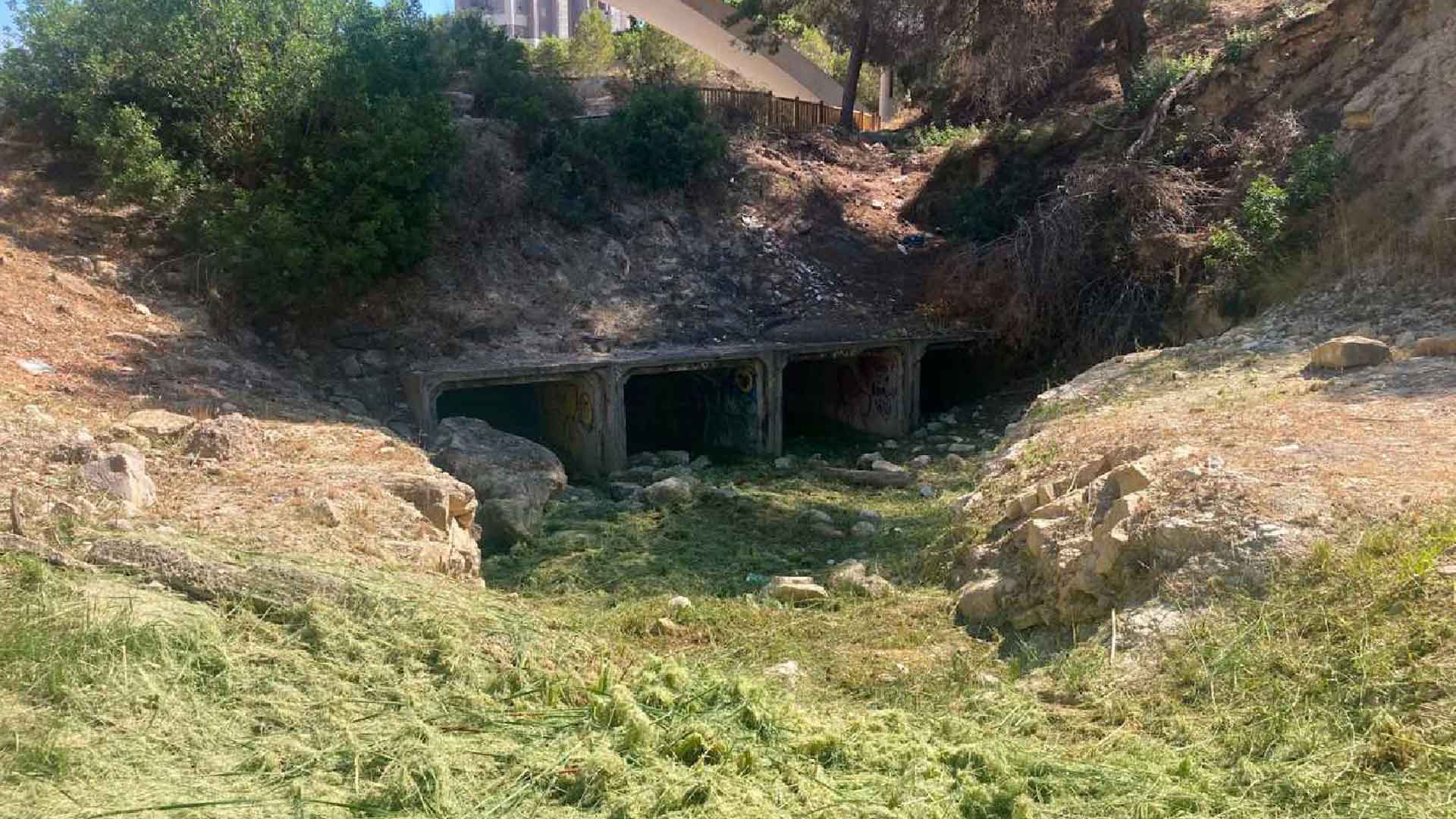
This preventive work is carried out throughout the year, “and particularly ahead of the arrival of autumn”, with the inspection and cleaning of urban sections of the ravines. According to a report prepared by Veolia, the work involves removing solid waste accumulated in the channels and clearing vegetation which, due to its density, could hinder the proper flow and drainage of water through the ravines.
Throughout the year, maintenance work has been carried out along the Barceló ravine (around 550 metres from Avenida Ciudad Real to Calle Juan Fuster Zaragoza), the Derramador ravine (around 700 metres from Calle Esperanto to Avenida Almirante Bernat de Sarrià), and the l’Aigüera ravine (100 metres before the start of the covered channel). Work has also been carried out at the entrances to the covered channels of the Foietes and Xixo ravines, as well as along the Rajarell ravine (1,200 metres within the industrial area along Avenida Adolfo Suárez, plus a final section from Calle Vicente Pérez Devesa to the sea), the Moralet ravine (250 metres within the urban area) and the Murtal ravine (around 100 metres between the end of the covered channel and the start of Avenida Murtal).
The work also includes cleaning tunnels and the outlets of streams and drainage channels used to carry rainwater during torrential rainfall. “These cleaning and clearance tasks are carried out periodically and at every change of season, removing any waste or other material that could cause blockages at any point along the watercourse,” González de Zárate explained. He also highlighted the work carried out by concessionaire Actúa “clearing and cleaning areas with dry reeds and carrying out maintenance work in other areas to ensure everything is kept in the best possible condition”.
The latest report on the condition of the ravines states that the Murtal ravine was recently cleaned at the beginning of August, while the same work was carried out on the Xixo ravine in July. Work is currently continuing on the Rajarell ravine and is expected to be completed before the end of August. The l’Aigüera ravine was also cleaned last June and will undergo further maintenance in September. In the case of the Barceló ravine, cleaning was carried out in June on the section between Calle Ciudad Real and Calle Zamora, while the section between Calle Zamora and Calle Juan Fuster Zaragoza remains to be inspected and cleaned during the first week of September. Finally, cleaning of the Derramador ravine is being carried out this final week of August.
The Councillor for Water Management stressed once again that “while the City Council works on the ravines throughout the year, and particularly at this time of year, we have once again informed the Júcar Hydrographic Confederation (CHJ) that we are available to assist with any work that may be required on the non-urban sections of the ravines, which fall under its responsibility”.
The councillor warned that “given the possibility of weather events such as DANA episodes or cold-drop events occurring in the coming months, it is essential that the cleaning of the ravines in our city is taken into consideration to prevent more serious consequences”.
In addition, the work carried out by concessionaire Veolia includes the cleaning and maintenance of 102 kilometres of drainage and water conduits and around 6,000 storm drains. The aim, he stressed, “is to ensure that the city is prepared for the possible arrival of heavy rainfall and that the stormwater collection and drainage systems and networks operate at full capacity”.
González de Zárate said that the condition of the ravines “has always been a matter of concern for us in Benidorm” and that, thanks to the monitoring carried out, “we have been able to confirm that they are in excellent condition, as shown by images captured by the Local Police drone”.
Finally, the councillor stressed that the Municipal Flood Prevention Plan is being fully implemented across the municipality and expressed his hope that the Júcar Hydrographic Confederation (CHJ) “does its part and carries out the necessary cleaning work so that no problems arise”.
“Nevertheless, we also want to remind residents that, in the event of any weather alert, all flood-prone areas across the municipality are clearly signposted. Vehicles and motorcycles should not be parked in these areas, nor should people travel through them,” he concluded.