Benidorm upgrades Camí del Planet with new drinking water network, shared-surface street, street furniture and tactile paving
The works are expected to take three months to complete, with an investment of €348,169
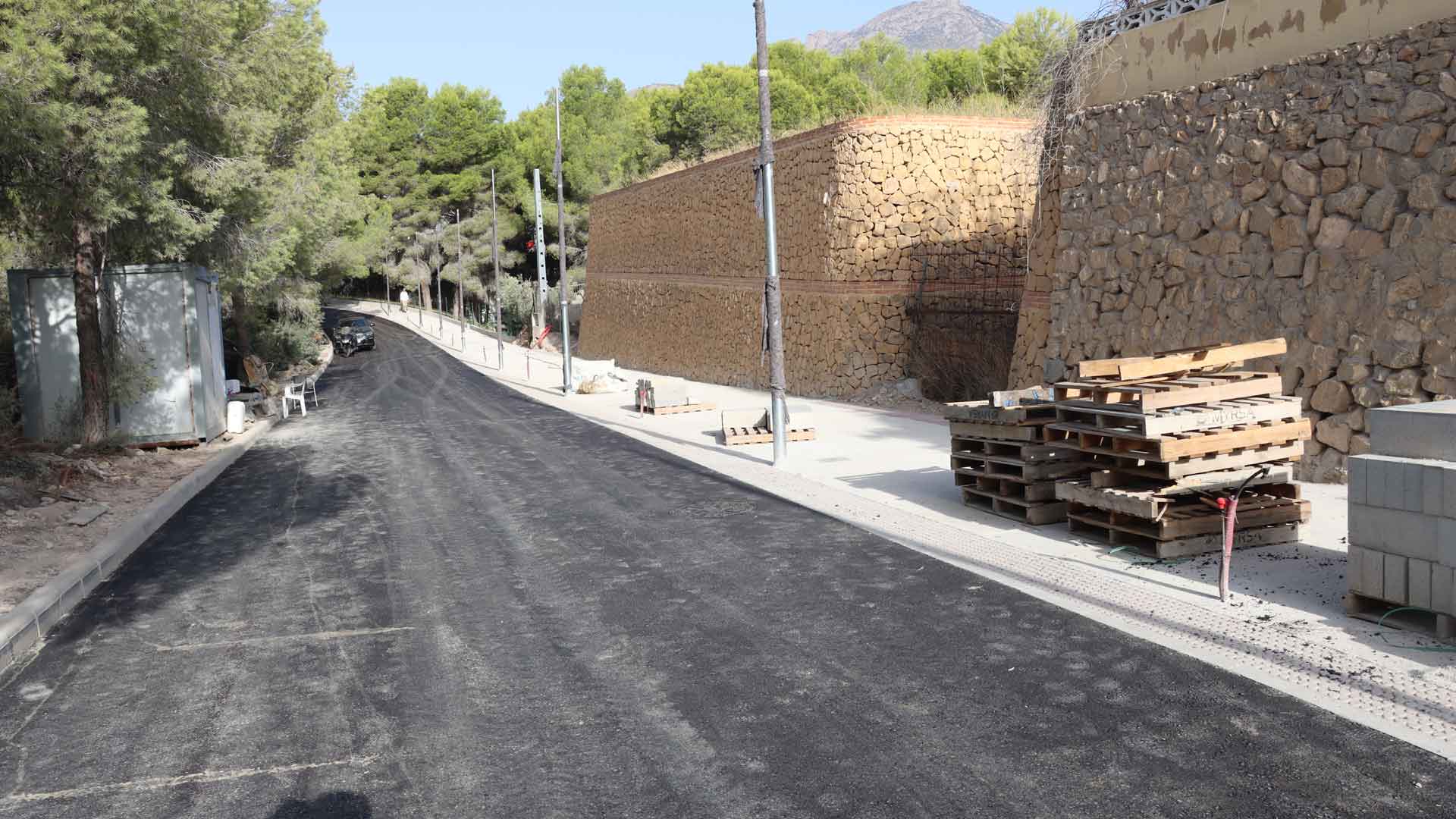
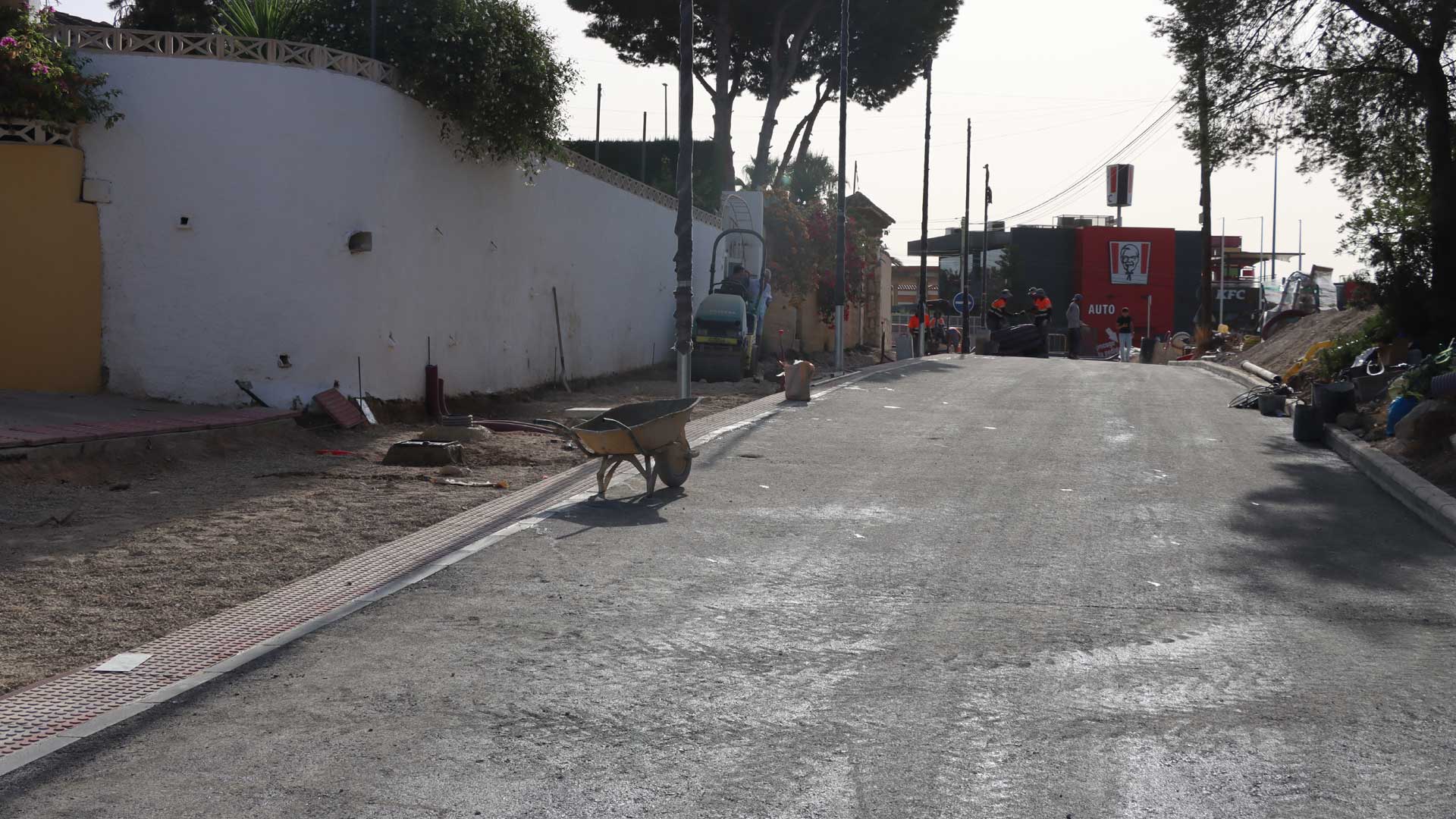
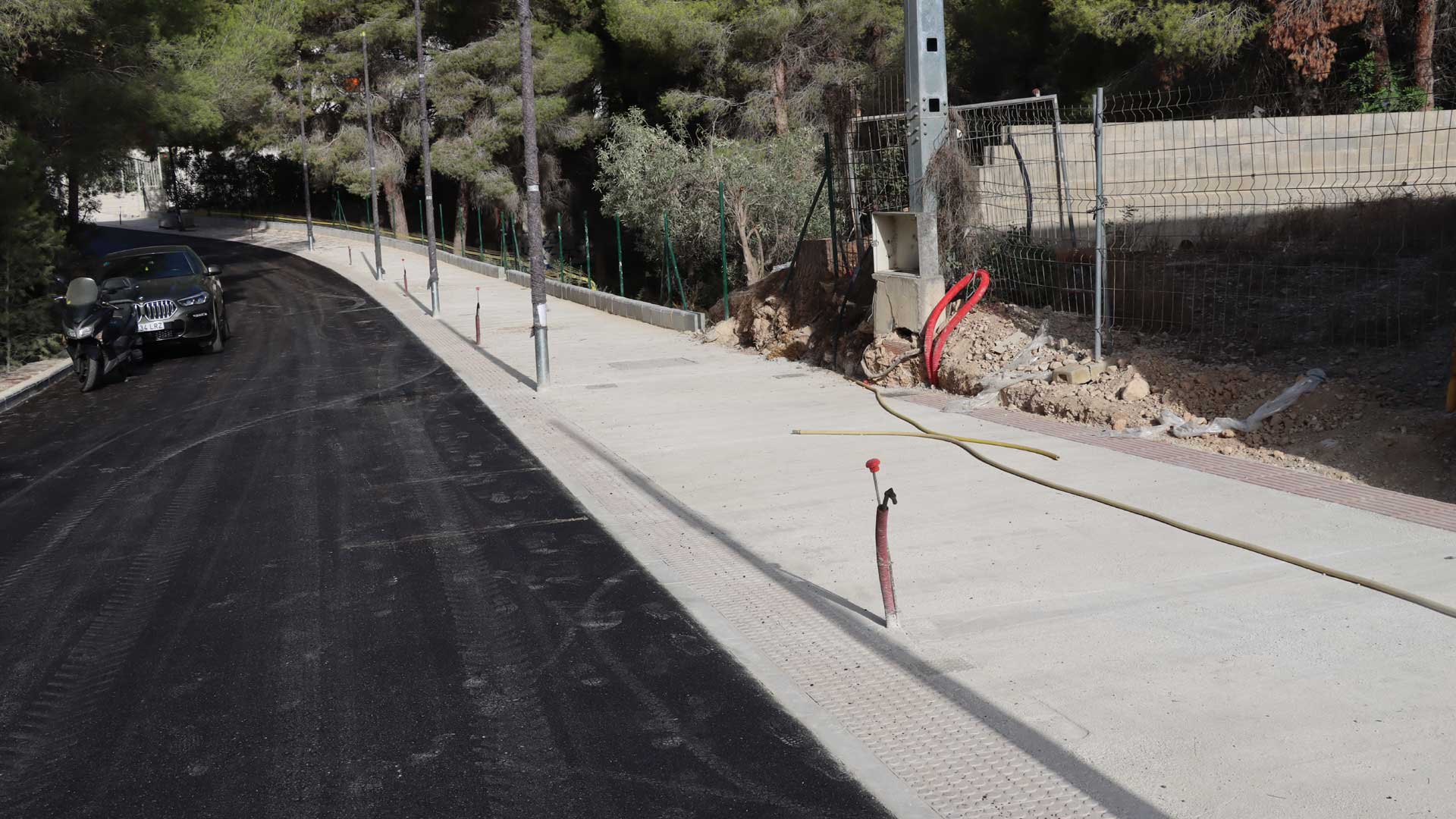
Benidorm City Council is carrying out a full upgrade of Camí del Planet street, a project with a three-month completion period from the start of the works and an investment of €348,169.88. Once completed, the project will include replacing the drinking water network, creating a shared-surface street, installing new street furniture where none previously existed, and laying tactile paving along the pavement.
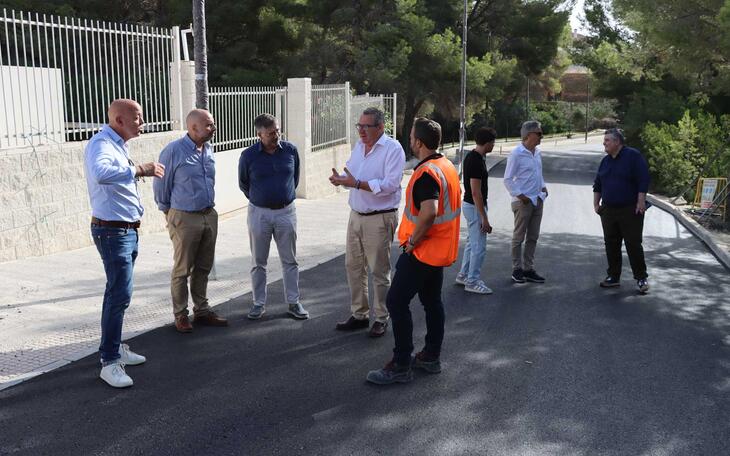
The works, which began in mid-June, are being carried out by Benidorm-based company Alpro Ingeniería and cover around 250 linear metres of road and an area of 2,800 square metres. They are expected to be completed by mid-September, according to Mayor Toni Pérez and Councillor for Public Space Francis Muñoz, who visited the area alongside the project manager, Alejandro Pérez, and municipal technical staff to review the progress of the works.
Muñoz explained that the “inadequate” drinking water network has been replaced with 400 metres of ductile iron pipework, “which will result in fewer breakages and leaks”. “Three additional fire hydrants have also been installed on the new network to allow firefighters to intervene in the event of a fire,” the councillor added.
In terms of accessibility, a shared-surface street has been created, featuring a dedicated pedestrian strip that complies with national and regional urban accessibility regulations, together with a vehicle lane where pedestrians have priority and the speed limit is set at 20 km/h. Adapted pedestrian crossings have also been created, along with tactile paving for people with visual impairments. “The entire road and pavement surface has also been renewed, and the existing kerb, which was clearly deteriorated, has been replaced,” Muñoz said. The street will also now have road signs and markings, which were previously absent, as well as five litter bins, five accessible benches and polyurethane bollards at the pedestrian crossings.
As part of the new infrastructure, new underground ducts and inspection chambers have been installed “so that all the telephone cabling, which is currently overhead, can be placed underground”. An underground public lighting network has also been created, with a total of 21 LED streetlights equipped with a remote management system. The irrigation network will also be underground, while 18 planters containing mulberry trees will be installed “to create shaded areas, help reduce high summer temperatures and make walking more comfortable”. Finally, the project also includes an underground reserve network for future municipal installations along the road.