The Neighborhood Council broaden ‘Brújula Project’ so it also support more vulnerable elderly individuals
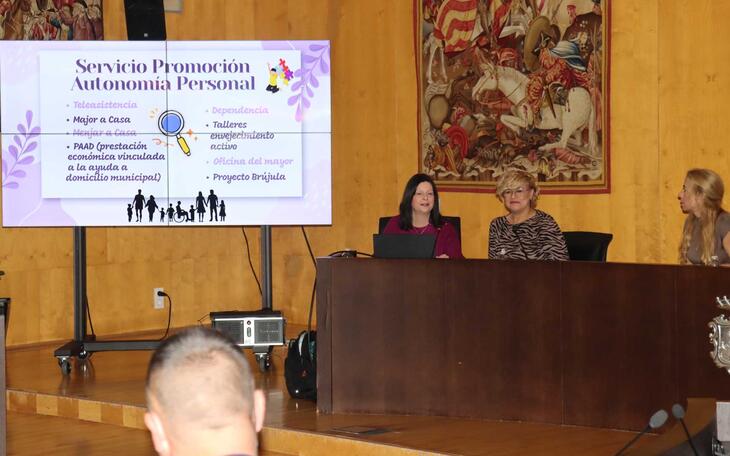
The council members also learned in detail about the Master Plan for the Promotion of the use of Reclaimed Water and the ‘Digital Twin’ project
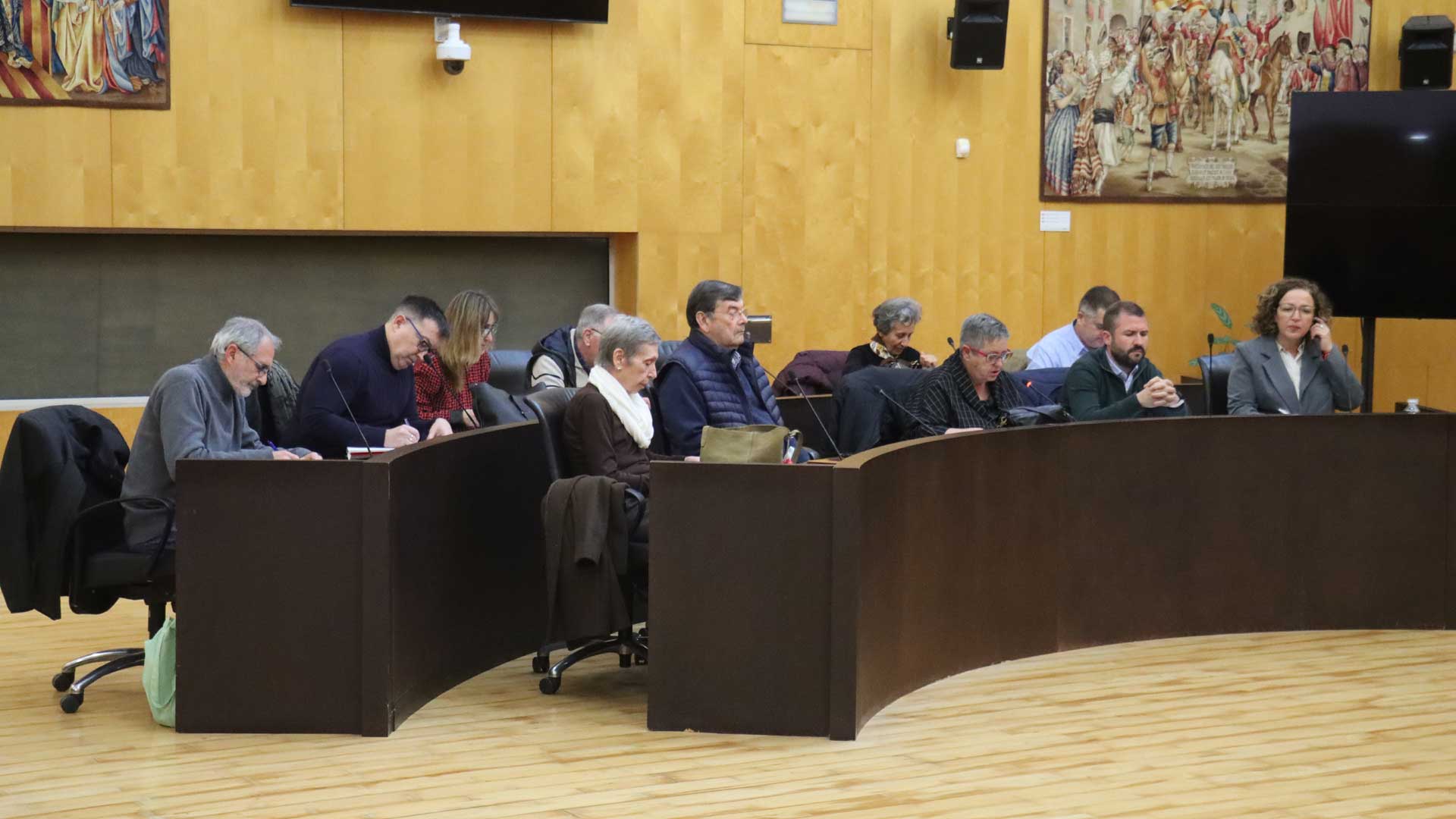
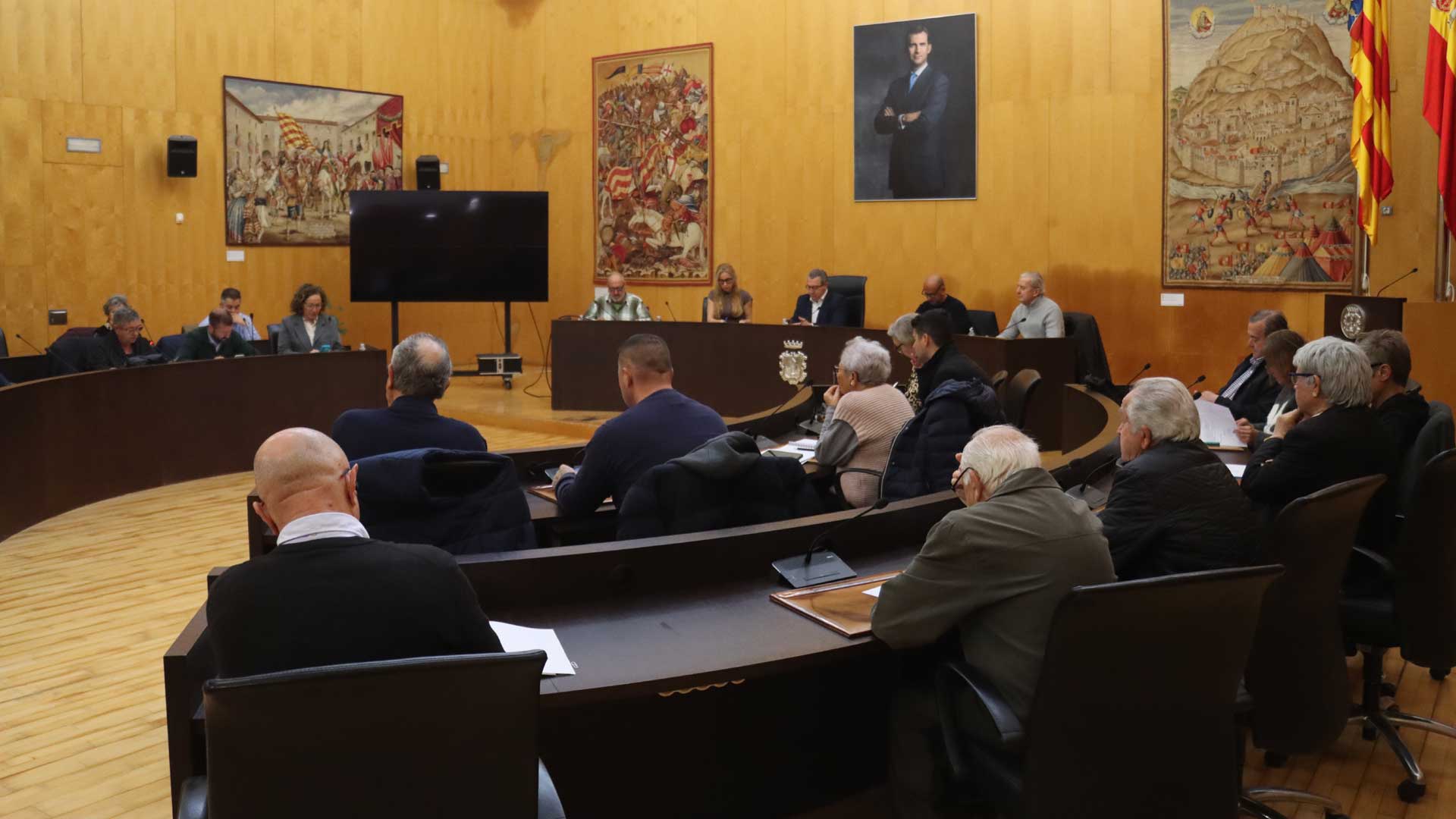
The "Compass Project" of the Benidorm City Council's Department of Social Welfare will receive a new boost thanks to the involvement of the Neighbourhood Council, which aims to extend the program to as many organisations and establishments as possible. This was made clear this morning during the meeting of the neighbourhood representative body, chaired by Mayor Toni Pérez, accompanied by the Councillor for Citizen Participation, Ana Pellicer, and the Council's Vice Presidents, Antonio Zamora and Francisco Martínez.
The " Brújula Project" is a community prevention program designed to identify vulnerable elderly individuals or those at risk of isolation, primarily due to unwanted loneliness. It was launched in 2018 after identifying cases of elderly people living alone who, upon being referred to the Department, were found to be experiencing significant decline. “It was necessary to create a prevention network to detect these cases of involuntary loneliness and improve their situation,” explained the staff from the City Council in charge of a program that has since assisted more than 260 people, over half of whom have been referred to other Social Welfare programs to improve their situation, well-being, or quality of life.
The project has a network of volunteers and collaborators, including health centres, pharmacies, banks, organisations such as the Red Cross and Cáritas, as well as traditional neighbourhood businesses, many of which display a sticker on their doors for easy identification. “That’s why the community and neighbourhood network is so important, so that cases reach us and we can intervene,” they explained.
Therefore, the goal is for the ‘Collaborating Business’ sticker to be displayed in all businesses and establishments in Benidorm. The project's operating procedures, they explained, stipulate that any suspected case should be reported to the City Council, whose technicians then visit the person's home to assess the situation and inform them of the available services.
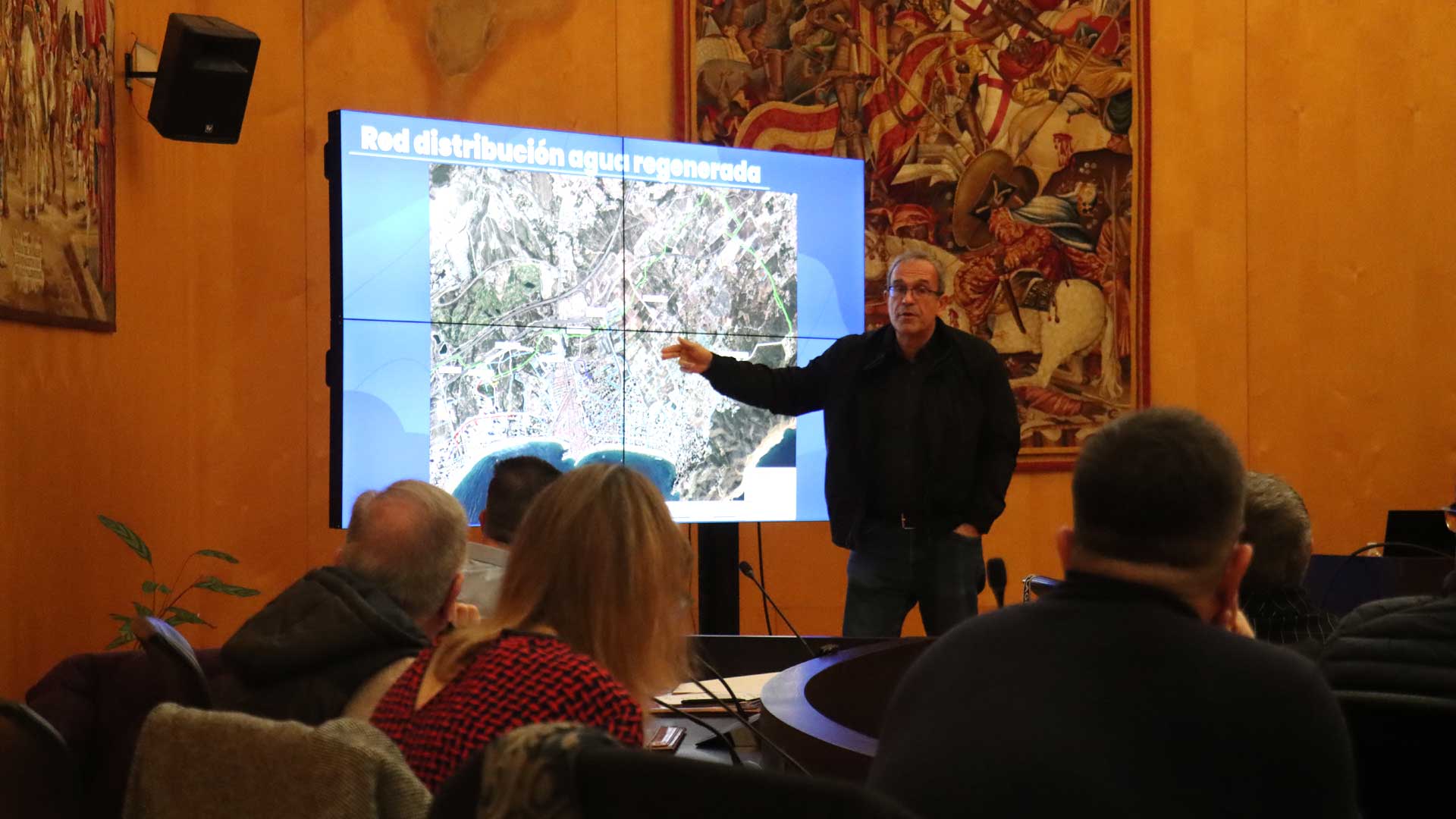
In addition to this program, the Neighbourhood Council also received a detailed overview of the Master Plan for Promoting the Use of Reclaimed Water. This plan was explained by the chief municipal engineer, Vicente Mayor, who outlined the water situation in the region and province and the investments made in recent years to address the deficit. Regarding the water reused at the wastewater treatment plant, he specified that it fluctuates around 4 cubic hectometers per year, so “we still have many more opportunities to use reclaimed water because approximately 13 cubic hectometers are discharged into the sea annually. There is significant potential demand, and currently only between five and ten per cent of that demand is being met.”
The mayor also emphasised that the cost of reclaimed water is significantly lower than that of drinking water, “€0.41/m³ compared to €1/m³,” and that Benidorm uses 1.5 hm³ to irrigate 1.8 million square meters of public and private green spaces. In this regard, the municipal engineer specified that the use of reclaimed water “could represent a reduction in the municipality's water consumption of approximately 15%.” The mayor also explained that Benidorm is currently implementing the first phase of reclaimed water in the Poniente district with an investment of €3.5 million.
Today's meeting of the Neighbourhood Council also addressed issues such as cardboard collection in the old town and the placement of tables and chairs on public streets by hospitality businesses. Residents reported that the designated times for depositing this waste are often not respected and that establishments sometimes exceed the permitted number of tables on public streets.
The councillors for Street Cleaning and Commerce, Luis Navarro and Javier Jordá, have stated that information and awareness campaigns are being carried out for business owners, although surveillance will be intensified. Regarding tables on public streets, Jordá reported that 135 citations were issued in 2025, 68 of which were for excessive numbers of these items on the street. “The fine is €6,000, and these citations have resulted in more than €121,000 in fines,” he explained. The councillor also emphasised that any establishment that repeatedly violates the regulations “will have its license to place chairs and tables temporarily suspended.”
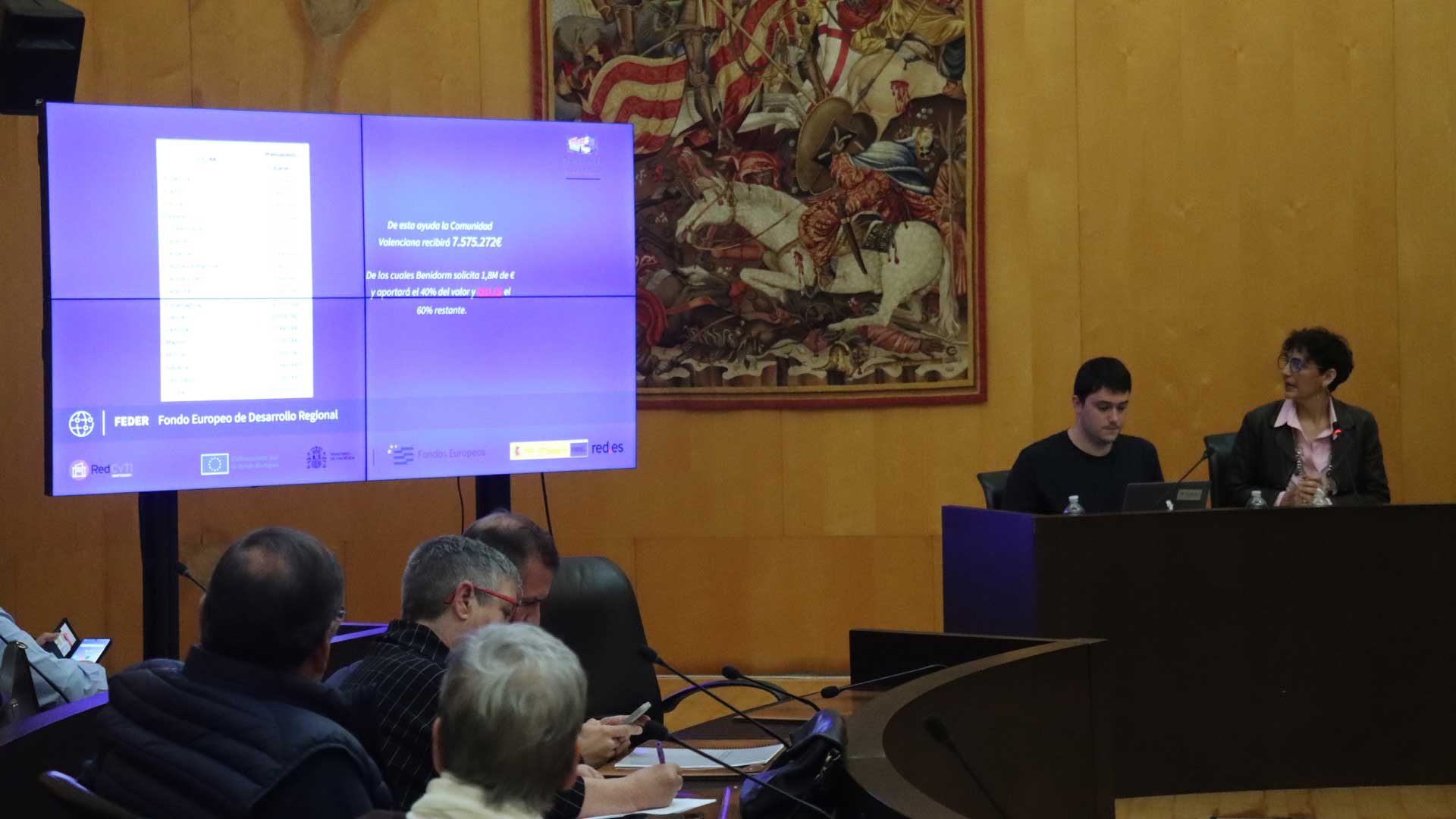
Another topic addressed was the explanation of the ‘Gemelo Digital’ project, with an investment of €1.8 million, which was presented by Celia Romero, CEO of the company Inteligencia Turística. This is a project that aims to create an advanced data and artificial intelligence infrastructure to serve the local economy, enabling hotels, restaurants, and businesses to access predictive tools that improve their competitiveness, efficiency, and sustainability.