Benidorm presents ‘La Serra Gelada. Un paisatge cultural mil.lenari’, a book that explains its influence on the human development of the area
The book reveals, among many peculiarities, that there are remains of human presence from 22,000 years ago “with its own unique gastronomy”
The mayor says the mountain range “will have an Interpretation Centre before its 25th anniversary”
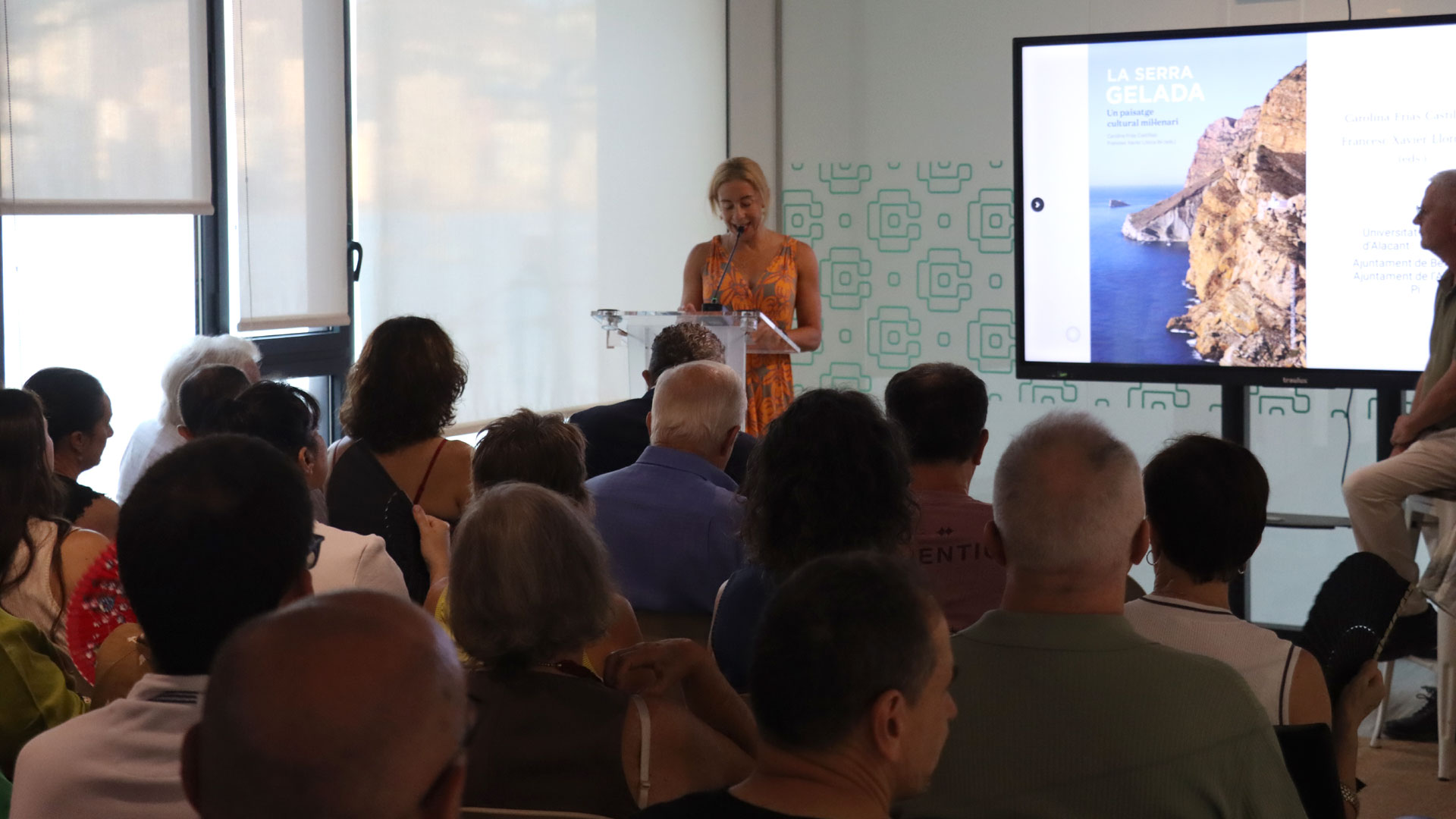
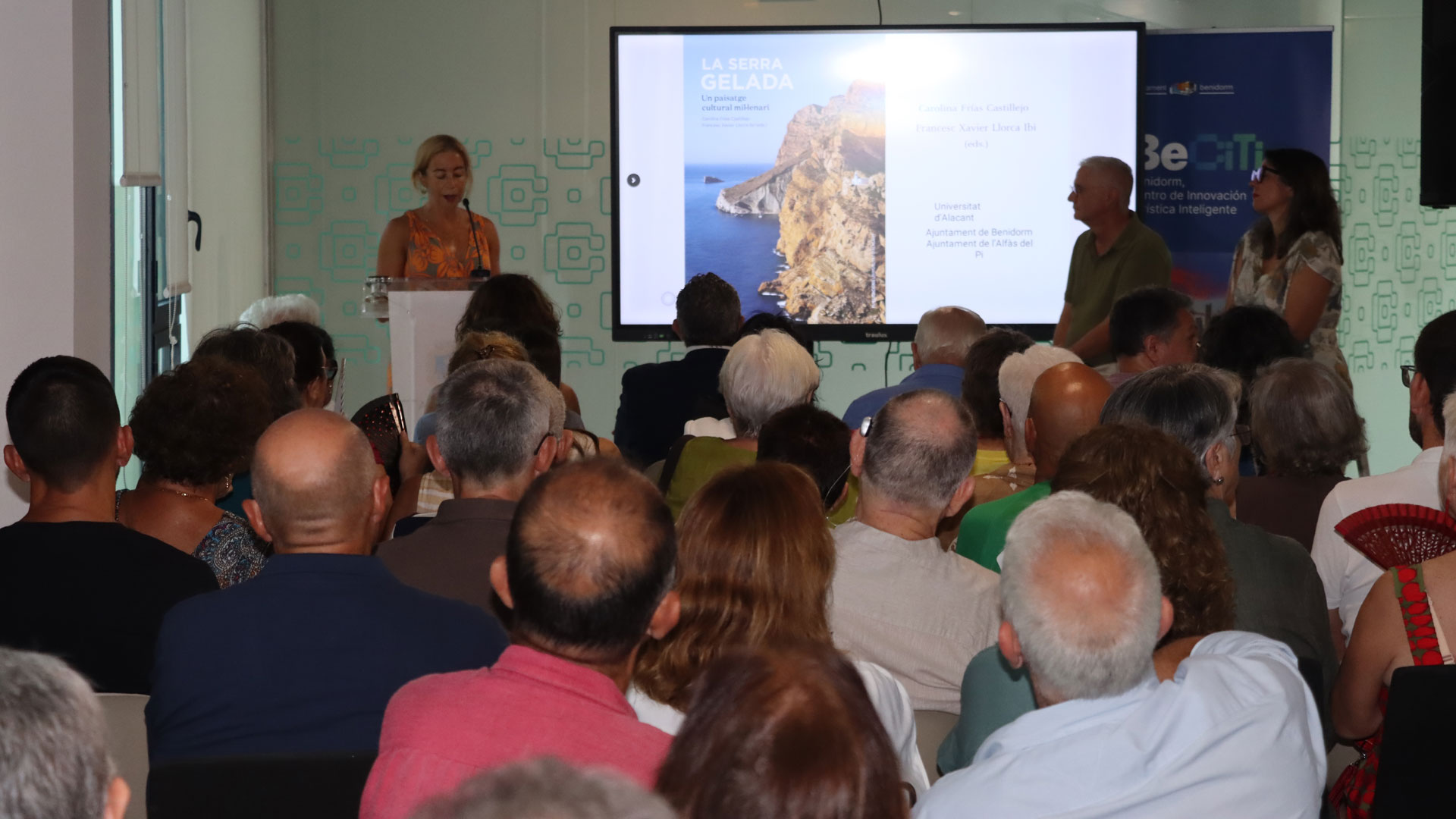
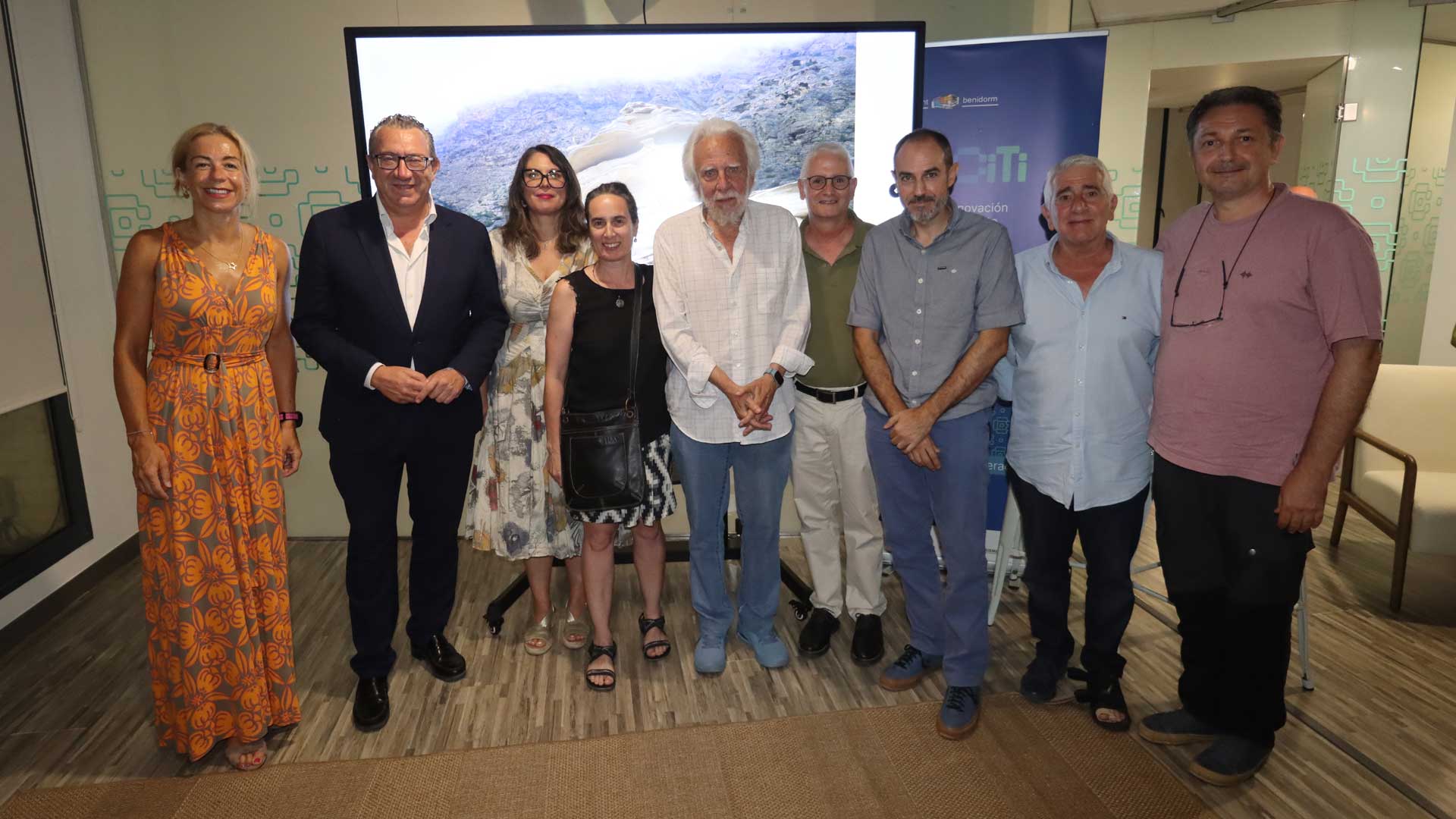
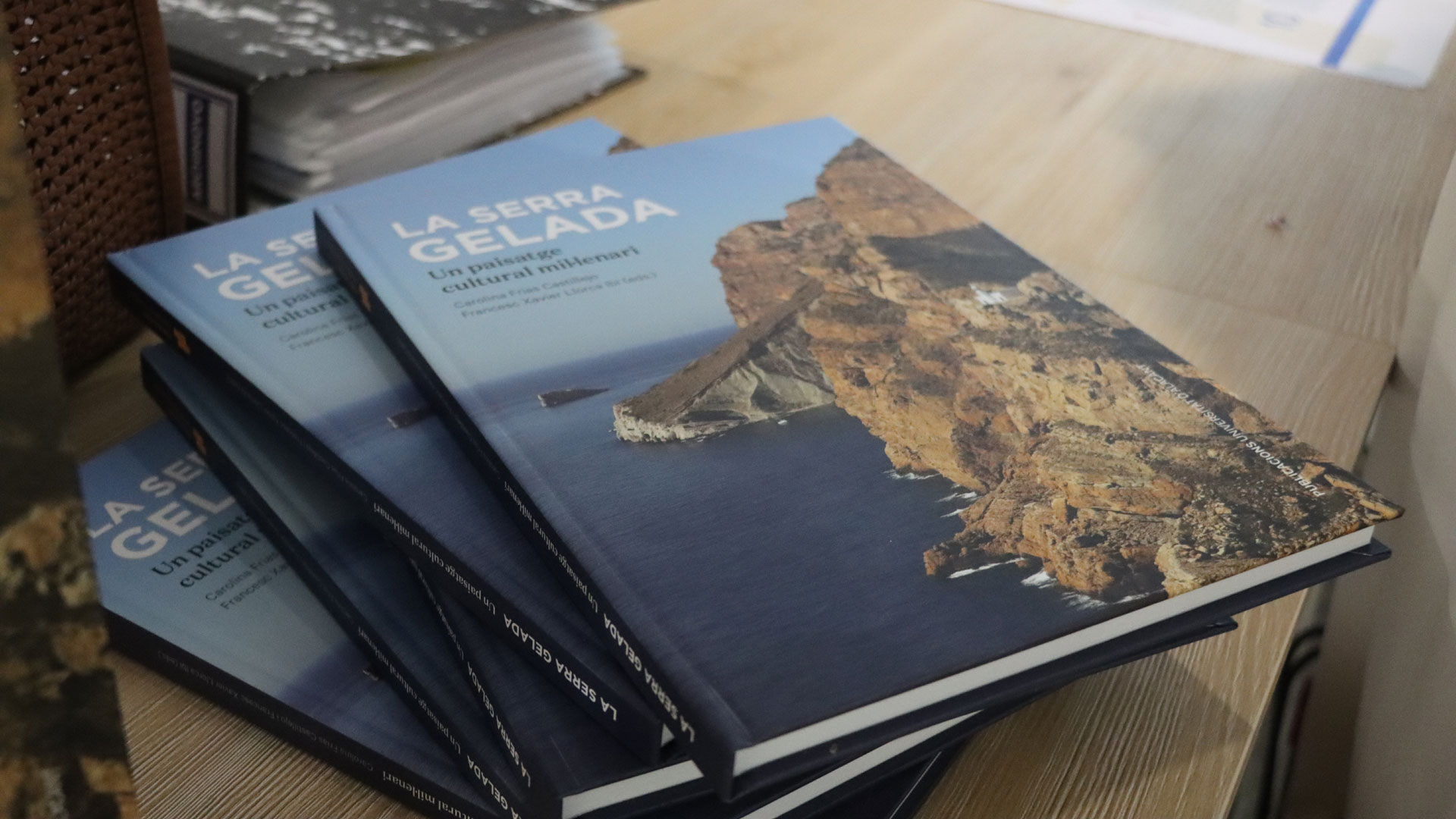
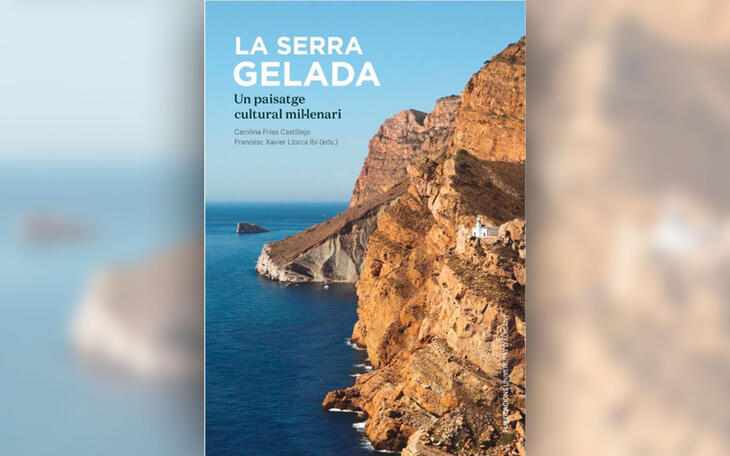
The BeCiti Innovation Hub in the El Torrejó building hosted the presentation yesterday of the book "La Serra Gelada. Un paisatge mil.lenari" (Serra Gelada: A Millennial Landscape), a work written and coordinated by Francesc Xavier Llorca Ibi, tenured professor in the Faculty of Education at the University of Alicante, and Carolina Frías, associate professor at the UA in the Department of Prehistory, Ancient History, Archaeology, Greek Philology, and Latin Philology. Other professors and researchers also contributed to the book.
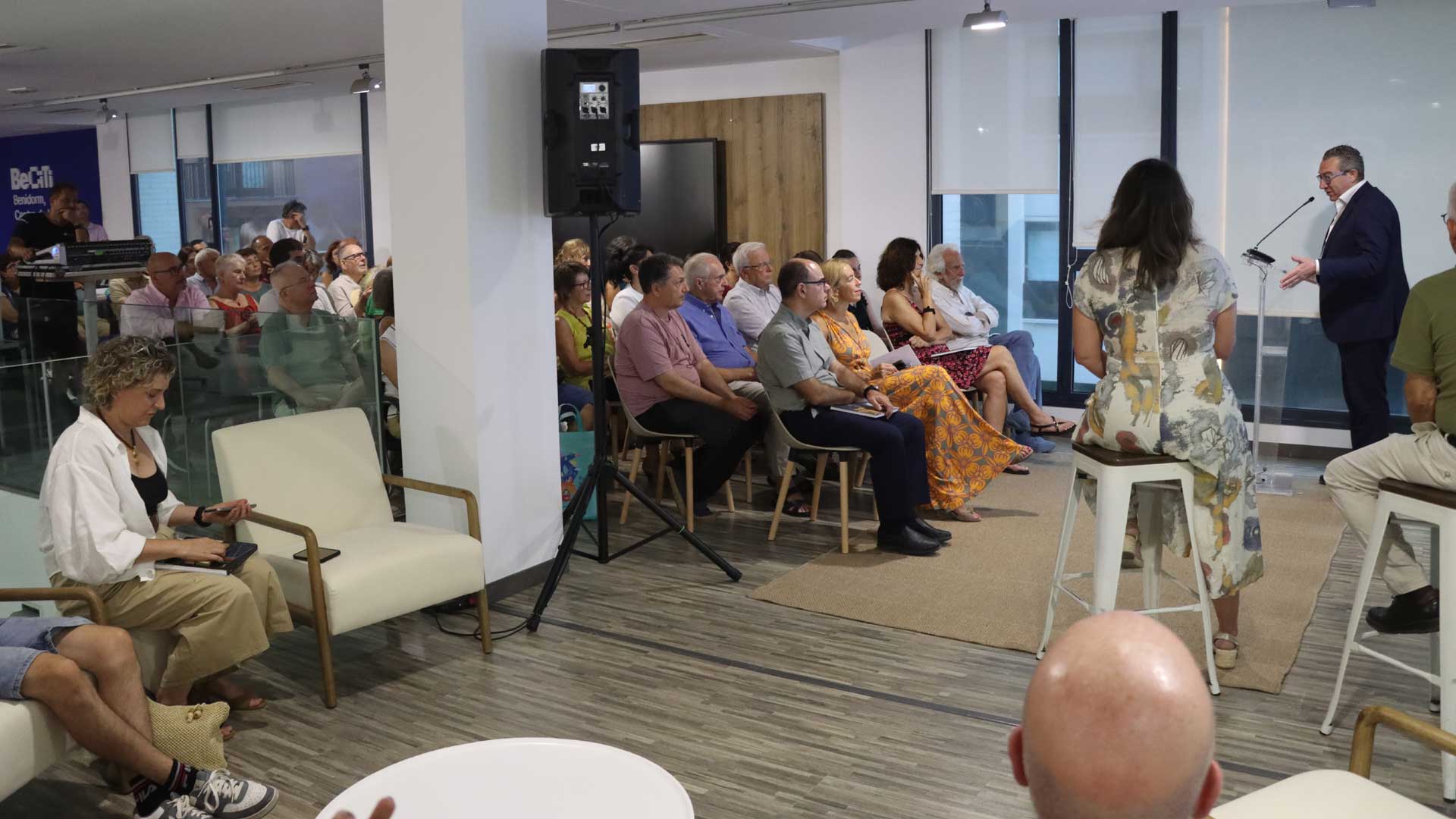
The presentation was attended by the mayor, Toni Pérez, the councillor for Historical and Cultural Heritage, Ana Pellicer, members of the city council, the authors, and several contributors, as well as a large audience.
The event was held on the 21st anniversary of Serra Gelada Natural Park, as noted by the councillor for Heritage. In that regard, the mayor announced that “before the 25th anniversary, we will have a Serra Gelada Interpretation Centre,” since the city “already owns the land to build it within the Natural Park itself.”
At the beginning of the event, Ana Pellicer stated that the publication “provides a magnificent opportunity to renew the commitment made in that declaration and to continue highlighting the value of an enclave that is part of our history, our landscape, and our identity.” The councilwoman expressed her confidence that the book “will be a key resource for understanding one of the most unique areas of the Mediterranean,” where geology and biodiversity coexist with archaeology, history, ethnography, maritime heritage, toponymy, and the memory of those who have lived there for thousands of years.
“Recovering our heritage means giving back to the citizens a part of their memory,” added Pellicer, who also asserted that “knowing it is the best way to understand who we are.” The councilwoman considered that the work helps us see Serra Gelada not only as a landscape “but as an essential part of the history of Benidorm and of those of us who have inherited it.”
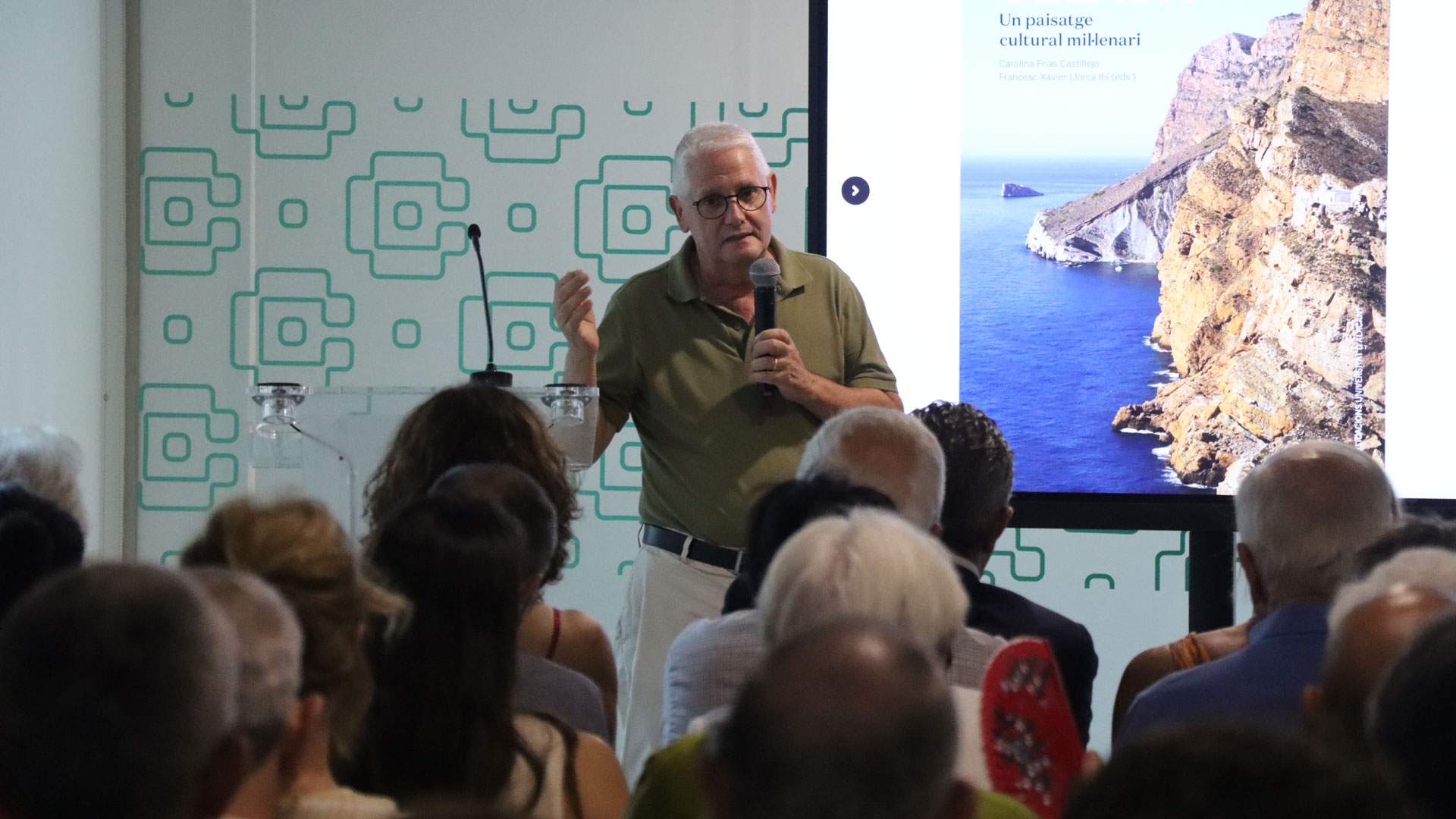
For his part, Professor Llorca Ibi highlighted the need for “a publication that updates and disseminates the values of the mountain range.” In his explanation, he pointed out that the book captures “the hidden beauties within the mountain, which is like a great sponge with internal currents that have shaped the landscape.” He revealed that there are traces of human presence dating back 22,000 years “with its own unique gastronomic traditions,” such as being the first documented place where humans included snails in their diet.
Llorca Ibi specified that the book has “the seal of scientific guarantee” after passing the evaluation process at the University of Alicante. He expressed his gratitude for the support of Benidorm City Council, “which showed its passion for the mountain range from the very beginning,” and praised the fact that the book includes a foreword by Professor Joan Tort, Chair of Regional Geographic Analysis at the University of Barcelona.
Carolina Frías, the book's coordinator, outlined its contents in her presentation, noting that “it begins with the geomorphological aspects and concludes with the people who inhabited this landscape and the elements that have shaped this mountain.” For example, she explained that the name Serra Gelada (Ice Mountain) apparently originates from Cova Gelada (Ice Cave), “which offered cooler temperatures due to its westward orientation.”
Frías explained that the book contains chapters and articles about the Punta del Albir Lighthouse, “built in 1863, which encapsulates the lives of the lighthouse keepers who lived there.” There are also chapters dedicated to the Bombarda Tower, the Les Caletes Tower, the Ti Ximo mine, plant species, terrestrial fauna, the marine environment, the Posidonia seagrass meadow, the storm petrel, and chapters focused on the management of the Natural Park, including maintenance, research, and outreach, as well as the tourist uses of the area and the challenges this poses for the authorities.
The presentation was closed by Mayor Toni Pérez, who stated that the book allows readers to “discover geographical, historical, and environmental aspects unknown even to the vast majority of those of us who think we know a little about the Serra Gelada.” The mayor congratulated the authors and coordinators of the book “for the enormous coordination work they have carried out” and said that it “explains the Serra Gelada in all its complexity. As a natural landscape, yes, but above all, as a cultural landscape. A territory where nature and humankind have been in dialogue for thousands of years, transforming each other and building an identity that remains alive today.”
Toni Pérez opined that Serra Gelada “is not the boundary of the city of Benidorm; it is one of the elements that explain why Benidorm is what it is.” The mayor also pointed out that through this work, Serra Gelada “ceases to be merely a setting of extraordinary beauty and becomes a space full of memory, human activity, knowledge, and heritage.”
“Serra Gelada is part of our history. It has shaped our territory, our traditional activities, our navigation, our fishing, the use and exploitation of the area, our paths, and also our way of understanding the landscape,” he added. Pérez concluded by stating that "this book achieves something very valuable: it teaches us that protecting a natural space begins with knowing it."