Generalitat extends the removal of dead pine trees in the Serra Gelada Natural Park to the municipality of Benidorm
The action is part of the emergency plan for forest improvement and prevention against drought that the Ministry is leading
The Valencian Regional Government, through the Third Vice-Presidency and Ministry of Environment, Infrastructure, Territory, and Recovery, continues the removal of dead pine trees in Serra Gelada Natural Park and has now extended the work to the municipality of Benidorm, following an initial phase carried out entirely in l’Alfàs del Pi. This action is part of the forest improvement and prevention efforts underway in various parts of the Valencian Community to address the effects of the drought.
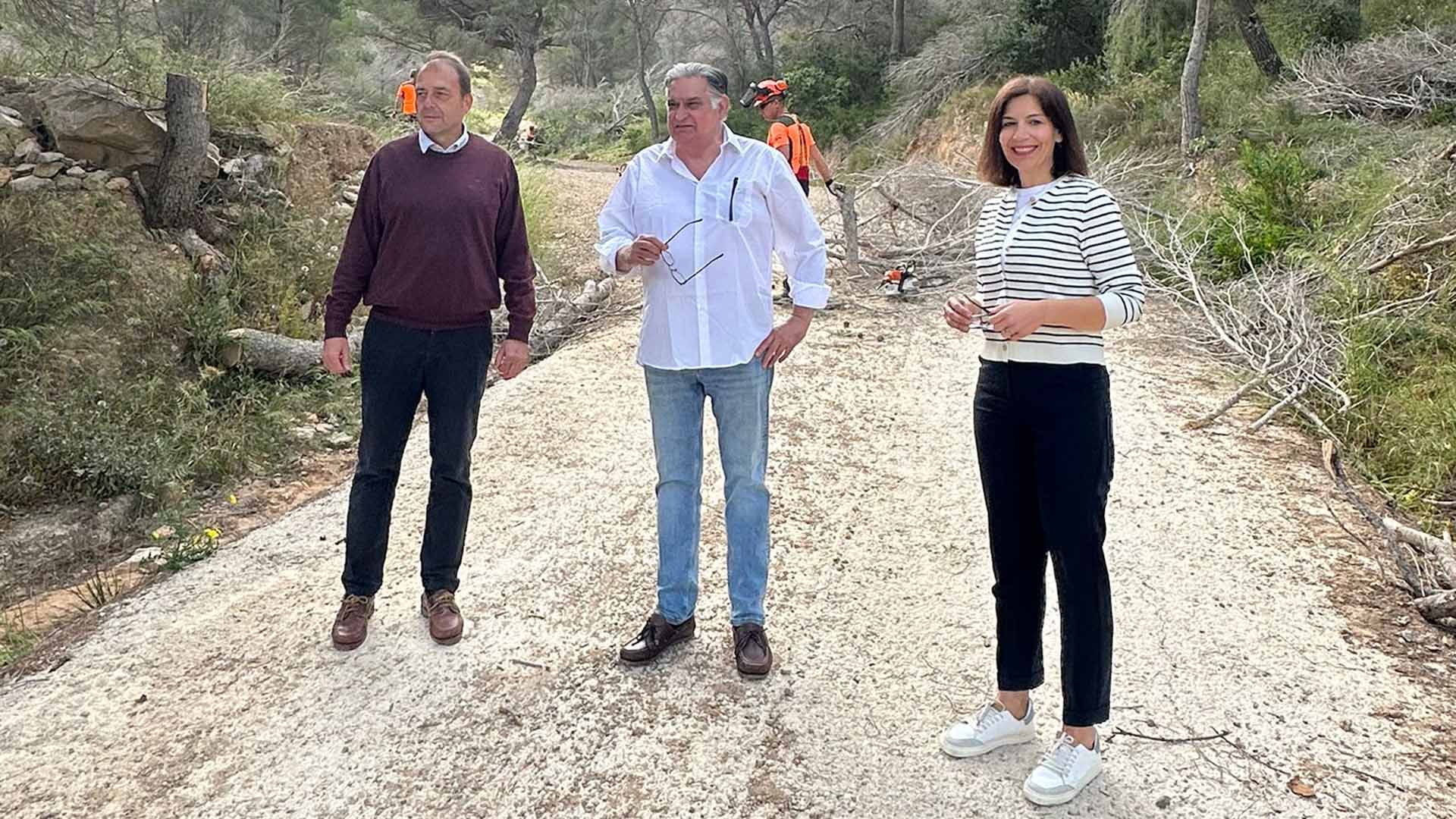
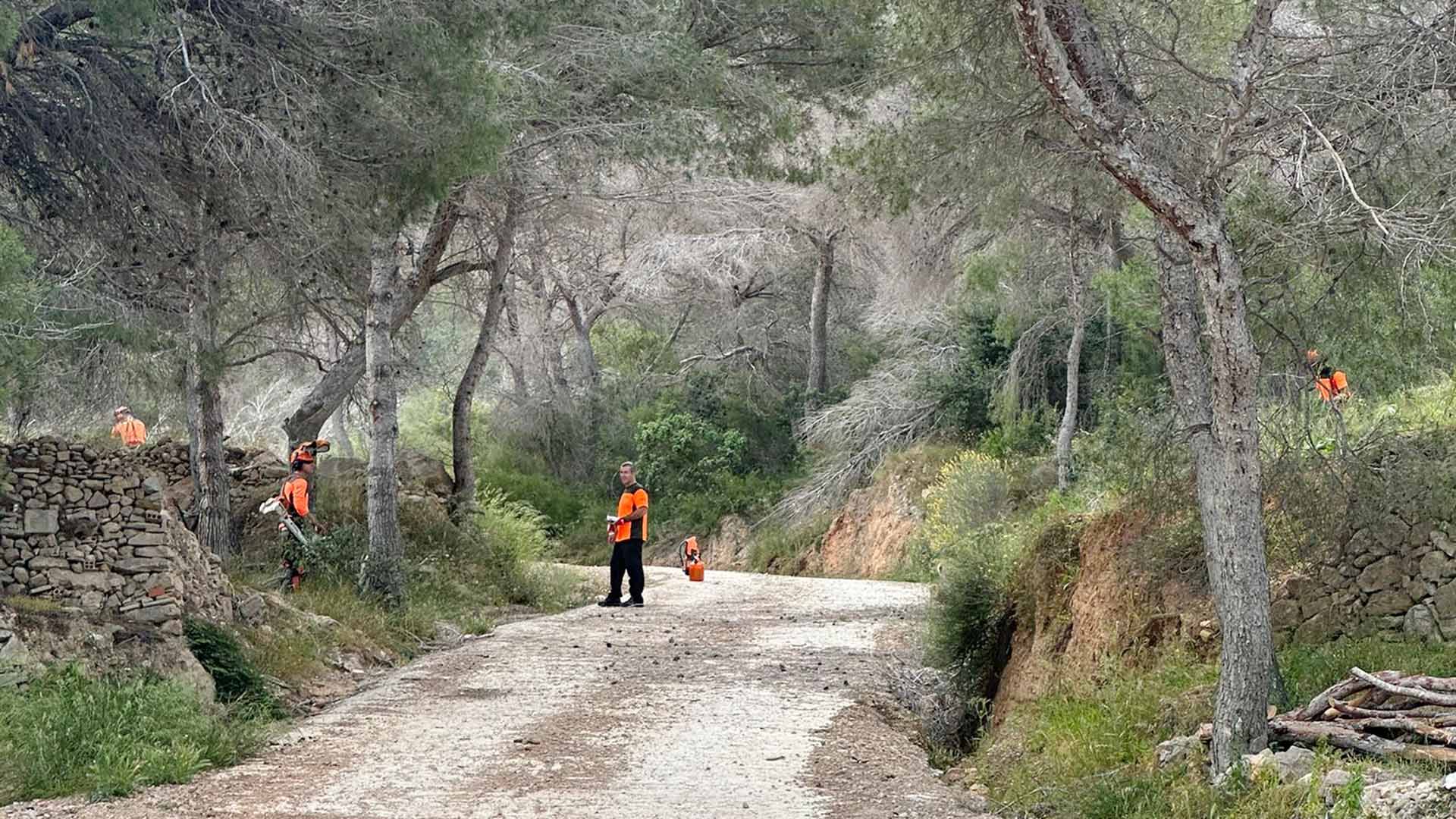
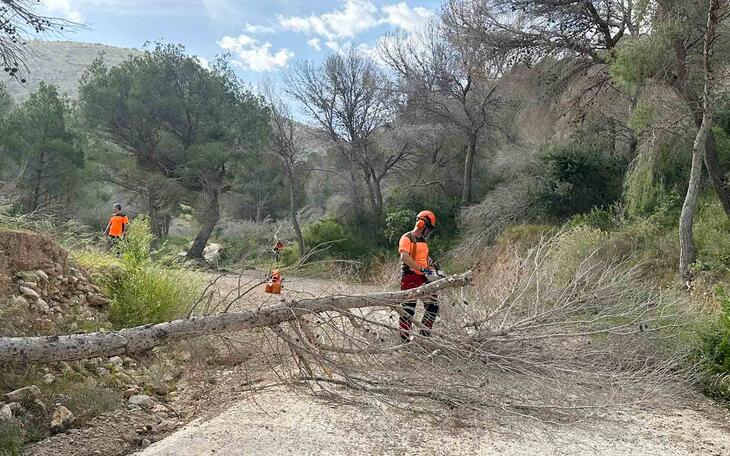
The Director General of Natural Environment and Animal Affairs, Luis Gomis, visited the area along with the Benidorm Councillor for the Environment, Mónica Gómez, to assess the progress of the work. This intervention, he explained, aims to eliminate dead trees that pose both an environmental and safety risk. “The work is being carried out within the forest and includes felling dead trees, delimbing and cutting them into pieces, as well as arranging the wood in bundles or on dry stone platforms,” he explained.
This system, Gomis pointed out, “reduces the risk of fires, promotes landscape integration, and enriches the soil by adding organic matter, while also contributing to the natural regeneration of the undergrowth.”
Furthermore, in certain areas, work is also being done to prevent potential tree falls on homes, infrastructure, or public areas.
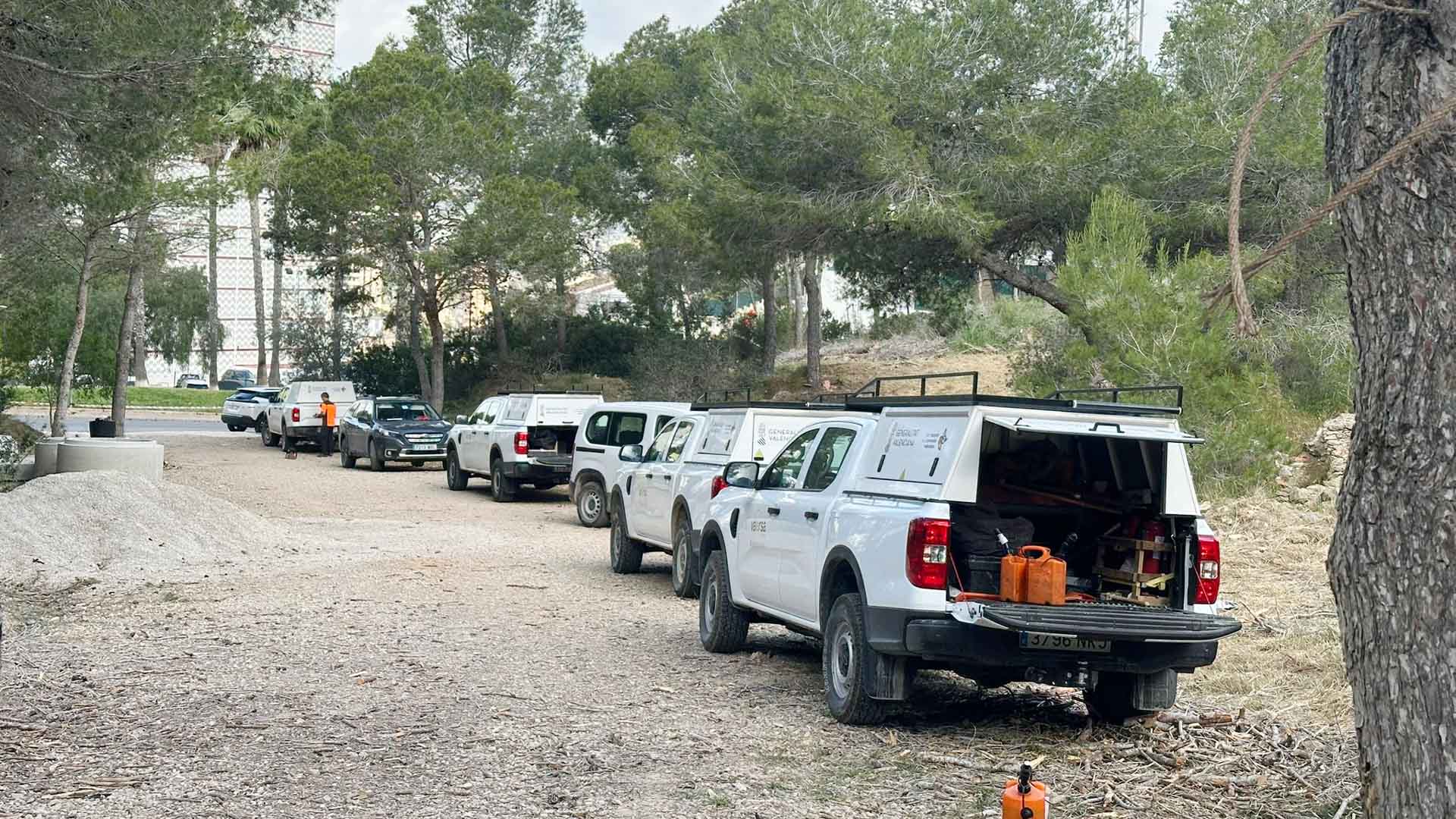
Forestry brigades from Protected Natural Areas (Serra Gelada, Ifac, and Puig Campana) participated in the work carried out in this natural park in the area surrounding Racó de l’Infern quarry, where nearly 70 dead pine trees were felled. Additionally, targeted clearing work has been carried out to facilitate access and the work of the crews, as well as to create a small buffer zone parallel to the street and the access road to the quarry. In this first phase, this area has been prioritised “due to the high volume of people and its proximity to homes.”
In a second phase, the work will focus on the wooded area adjacent to the buildings and the public road, where silvicultural treatments will be applied to reduce density and improve the overall condition of the trees. Furthermore, invasive exotic species will be removed from the surrounding area.
These works are part of the emergency plan launched by the Generalitat (Valencian Government) in 2024 to address the effects of the accumulated drought of recent years on Valencian pine forests, prevent their spread, and curb the proliferation of pests associated with this phenomenon.
The plan includes continuous monitoring of the trees' condition, the removal of dead or unstable specimens, and forest health work. The province of Alicante, and in particular the districts of Marina Alta and Marina Baixa, has been one of the hardest hit by the lack of rain and is the focus of a significant portion of the interventions, as highlighted by the Regional Ministry. They recalled that the Valencian Government approved an emergency contract in 2024 for the removal of dead trees, valued at €524,760, of which €270,000 was allocated to the Marina district.
The Councillor for the Environment thanked the Valencian Government for these actions in the area of the park that falls within the municipality of Benidorm and emphasised that the Serra Gelada “is one of our most valuable natural resources,” hence the importance of its constant cleaning, maintenance, and protection.
Following the visit to these works of removing dead pine trees, the Councillor for the Environment and the Director General participated in the meeting of the governing board of the Serra Gelada Natural Park, which was held in l’Alfàs del Pi.