El Torrejó hosts the presentation of “Cartas marcadas”, a journey through memory and rebellion
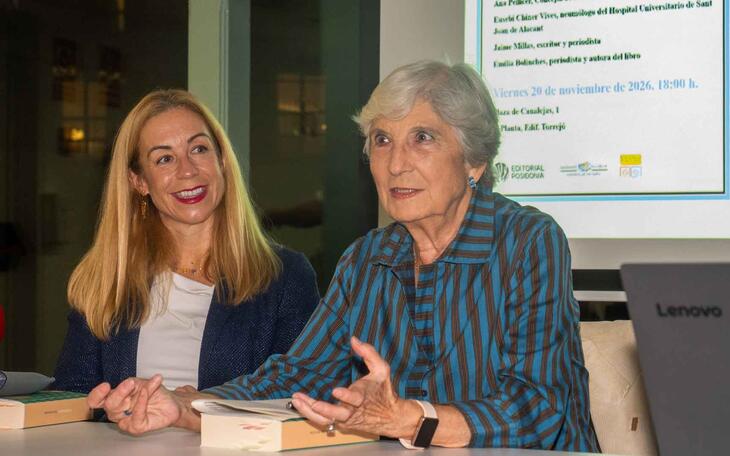
In her second book, Emilia Bolinches explores the figure of Sylvia Plath and reconstructs, through a fictionalised autobiographical novel spanning 624 pages, the life of a journalist shaped by history and her connection to Benidorm
The author thanked the city for paying tribute to Sylvia Plath, marking 70 years since the poet’s stay in Benidorm
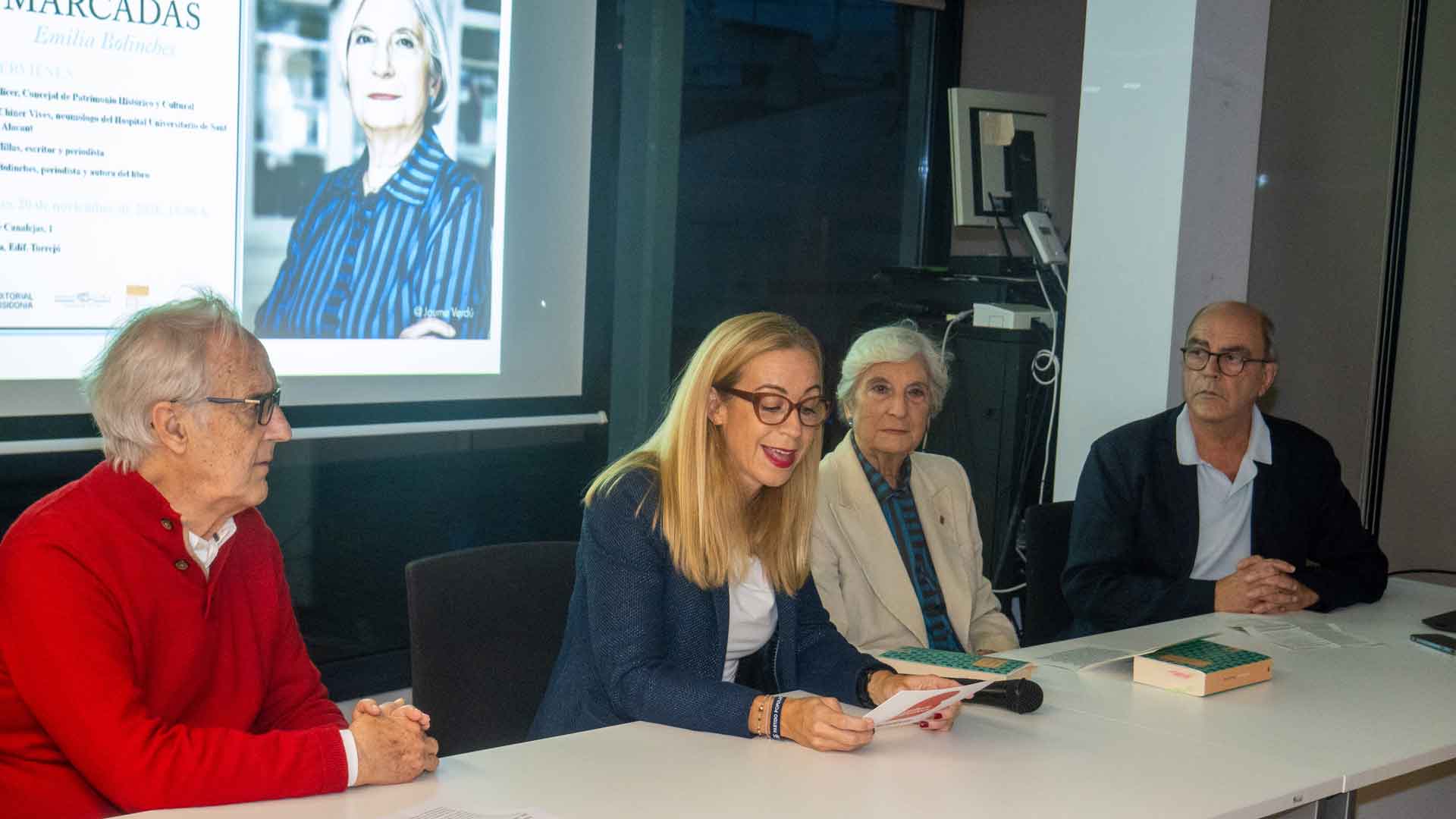
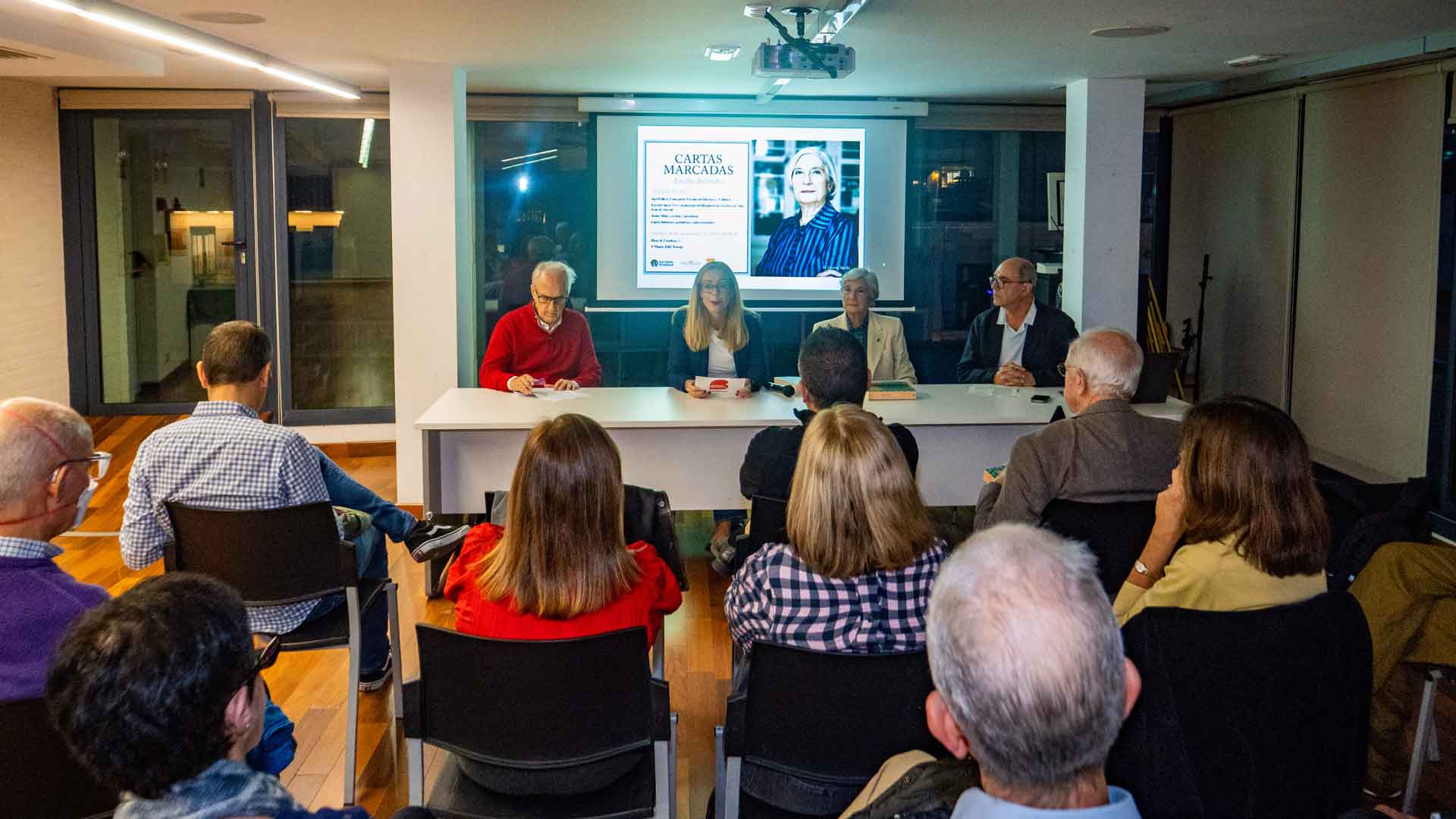
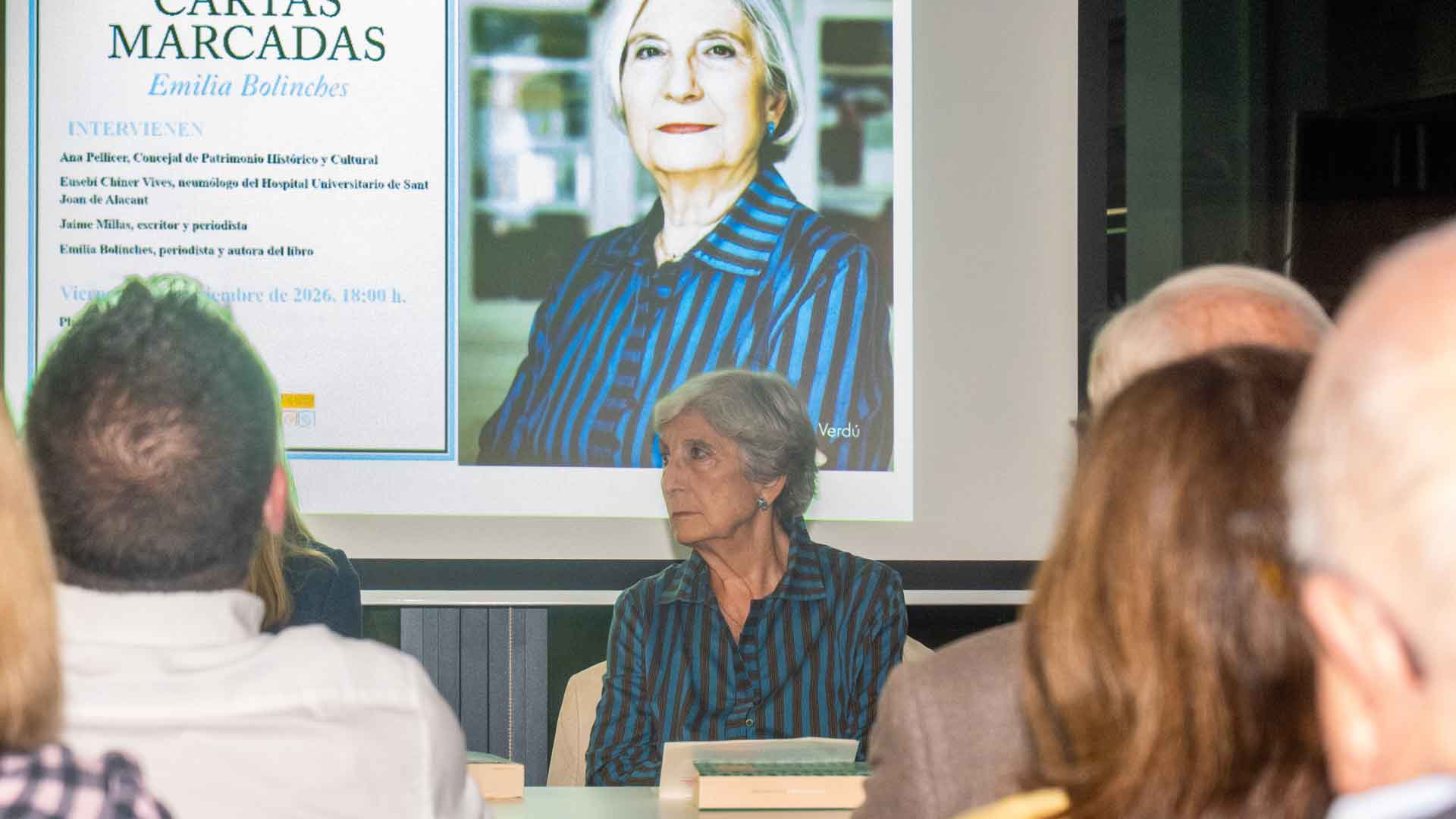
El Torrejó's municipal building hosted the presentation of Cartas marcadas, attended by Councillor for Historical and Cultural Heritage Ana Pellicer, Benidorm-born pulmonologist Eusebi Chiner, journalist and writer Jaime Millás, and author Emilia Bolinches. The event was part of the City Council’s programme marking the 70th anniversary of Sylvia Plath’s stay in Benidorm.
Pellicer welcomed the audience and placed the book within the context of Bolinches’ connection with Plath. The councillor encouraged readers to see the book as an opportunity to “reflect, discover new perspectives and continue giving women a voice”.
During the Q&A session, she also highlighted the city’s commemorative programme, which includes a mural dedicated to the poet in the El Torrejó area, a themed trail covering places visited by Plath and Ted Hughes, a photography competition linked to these locations, a dedicated reading area at the Central Municipal Library, and a themed book-shaped bench.
A Story of Letters, Memories and Life
Chiner, a Benidorm native and Head of the Pulmonology Department at Sant Joan d’Alacant University Hospital, introduced the book as “an emotional journey and a celebration of a rebellious life”. In his analysis of the work, he highlighted three words that, in his view, run throughout the story: “memory, sea and rebellion”.
The 624-page novel begins with the protagonist’s experience during the 2020 pandemic, when she revisits hundreds of letters, memories and documents that had remained hidden for decades. Chiner explained that the narrative links this journey of discovery to a recent medical procedure and a renewed appreciation of life. He also highlighted the exchange of letters with journalist Jesús Hermida and the imagined dialogue with Sylvia Plath.
The story also features experiences from Bolinches’ life in Benidorm, including the filming of Alba de América, Mexican singer Jorge Negrete, her teenage years and her friendship with Ro Boluda. Chiner summed up the city’s role in the story with the words: “Benidorm discovered the wisdom of being a woman”.
Millás, a journalist with an extensive career in print media and radio, as well as a writer and cultural manager, explored the book from its literary and historical perspectives. He described Bolinches as an omniscient storyteller and Emi as the protagonist and the author’s alter ego. According to Millás, the novel spans the 1960s and 1970s, covering the struggles against dictatorship and the fight for regional autonomy and democracy. It also portrays Benidorm as a city that offered “a space of freedom” during a period of growing tourism and social openness.
The writer also emphasised the importance of the city in the creation of the book: much of it, he explained, was written from an apartment on Levante Beach. He described the work as a story of more than 600 pages, written in search of truth and born during an especially difficult period in Bolinches’ life, when illness came close to claiming her life.
Sylvia Plath, a Constant Presence in Emi’s Life
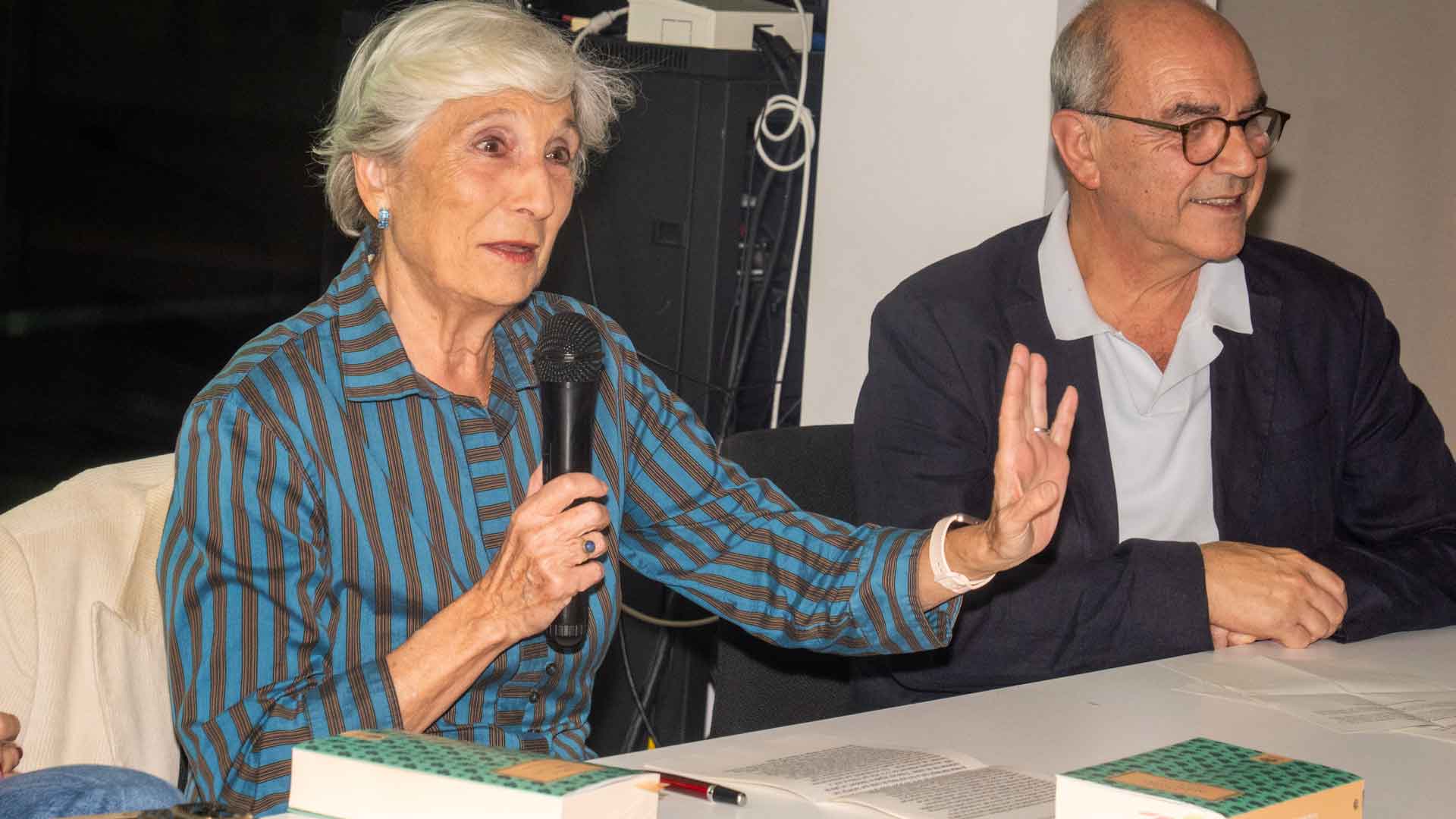
Bolinches explained that the novel originated from an image dating back to 1956: that of a foreign couple she saw visiting Benidorm, unaware at the time that the woman was Sylvia Plath, who was on her honeymoon with Ted Hughes. Years later, she became interested in learning more about the author of The Bell Jar and even took up English studies so she could read her work in its original language.
The writer explained that Plath, Violeta Parra and Marilyn Monroe — three women who died by suicide — have influenced her literary perspective. In "Cartas marcadas", Emi and Sylvia share experiences of abuse at the hands of their partners, while the narrative unfolds against the backdrop of the social and political struggles of the period. As an adult, Emi is portrayed as a journalist committed to society who eventually turns to writing books, drawing a parallel with the author's own career.
Bolinches described the work as “an invented, fictional biography of Sylvia” and as a tribute to a writer she considers extraordinary, whose life was marked by suffering and mental illness. Visibly moved, she thanked Benidorm City Council for the tribute the city is paying to Plath.
"Cartas marcadas" is Bolinches’ second published book, following Pilar Soler, rebelde con causa. In this latest work, the author weaves together personal memories, fiction and collective history, with Benidorm as its setting and Sylvia Plath as its symbolic interlocutor.