‘Benidorm, Música i Tradició’: a CD led by Paco ‘El Bessó’ to preserve and revitalise local folk music and traditions
The event is part of the 2026 FMP Cultural Week, bringing the voices of the late Jaume Llorens ‘El Llugueret’, Jaume Antón Grau and Francisco Alvado ‘l’Esquilaor’ back to life.
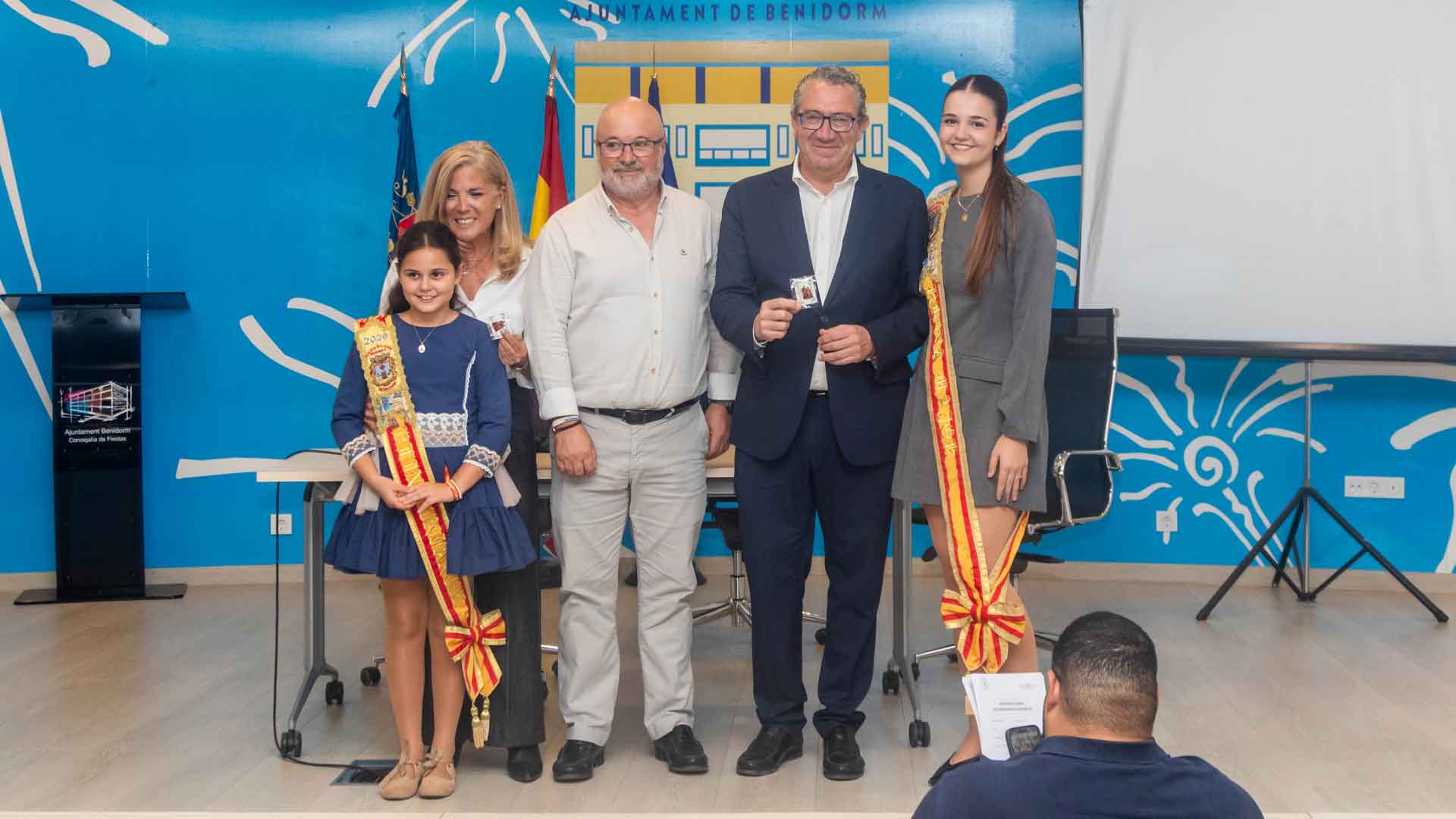
Toni Pérez thanks and congratulates the Fiestas Commission for its year-round work and encourages the whole town to give a warm and enthusiastic welcome to the festival queens
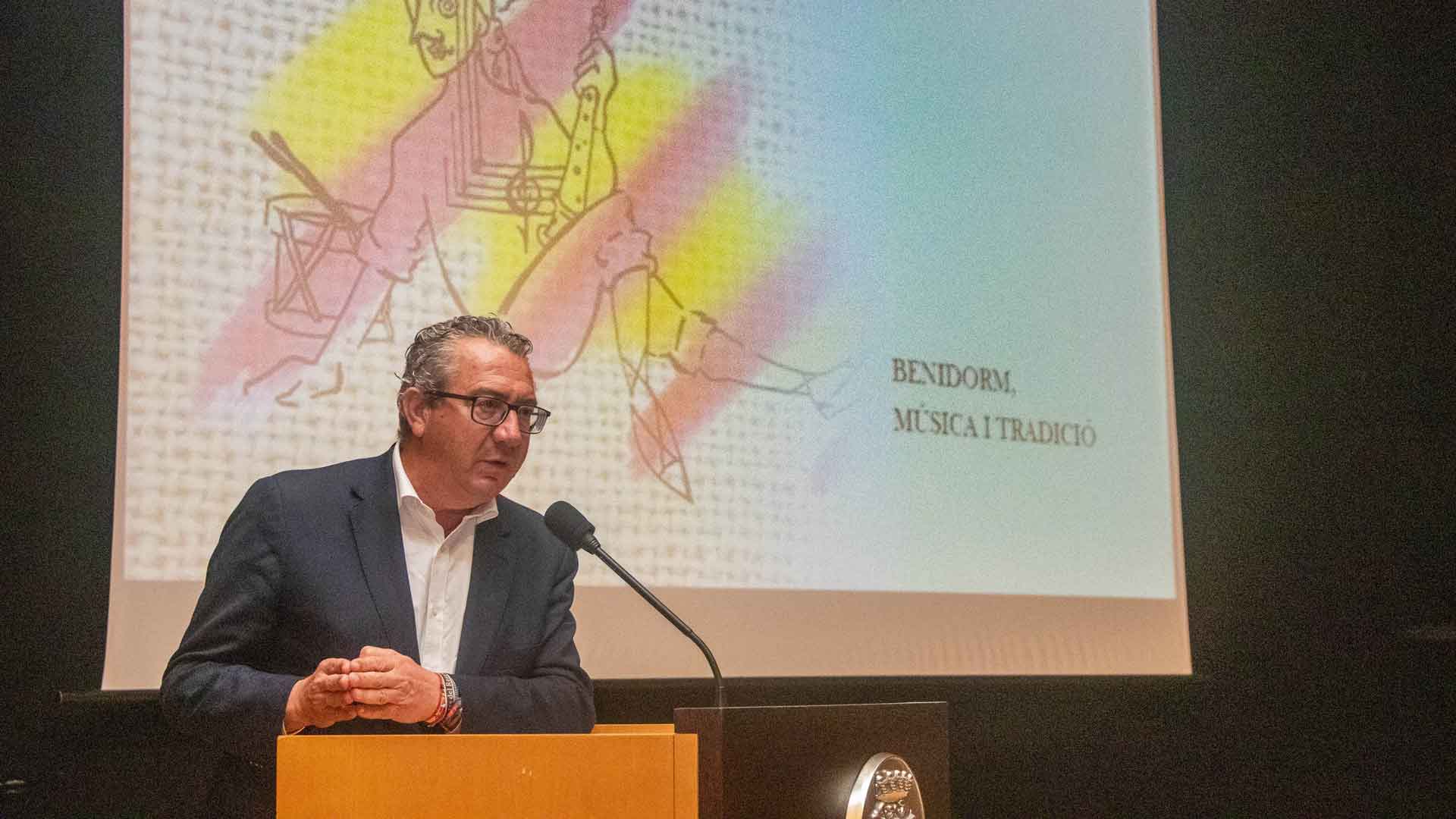
As part of the 2026 Cultural Week of Benidorm’s Patron Saint Festivities, the CD ‘Benidorm, Música i Tradició’ was presented at the Town Hall’s Assembly Hall. The album brings together a carefully curated selection of traditional music and songs, compiled by master xirimita player Francisco Jesús-María Romero, known as ‘Paco el Bessó’, director of the Colla de Xirimiters de la Marina.
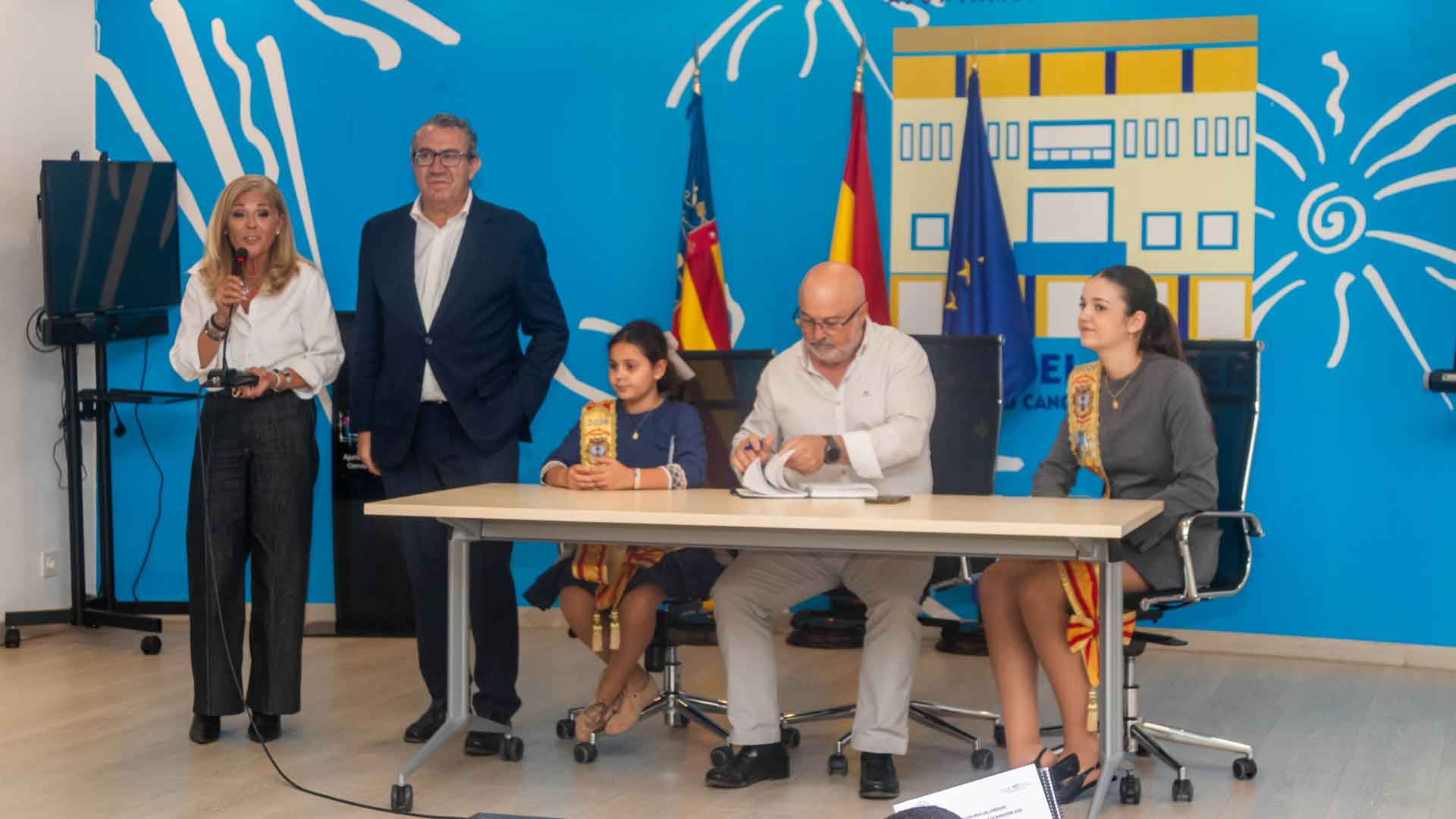
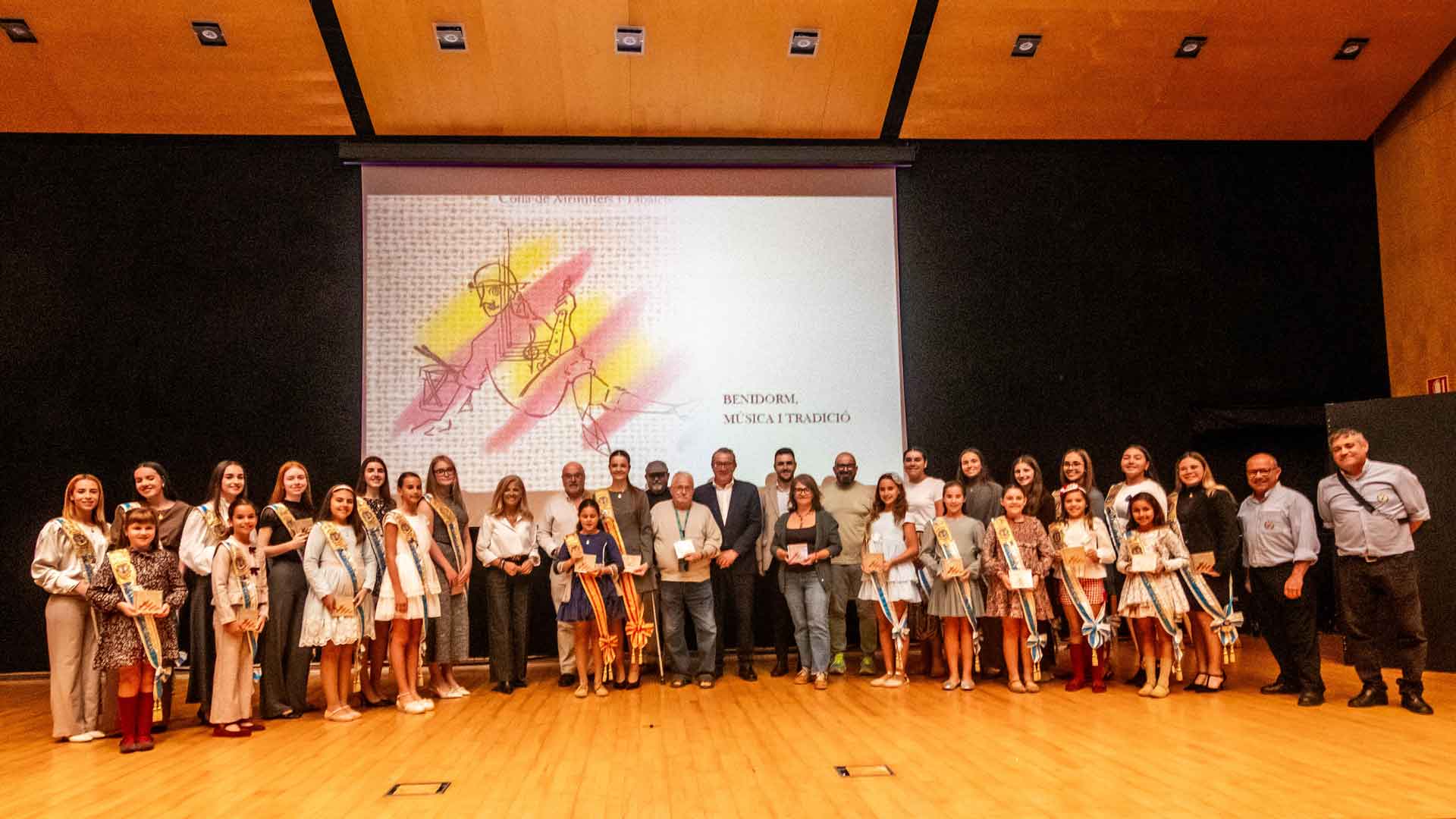
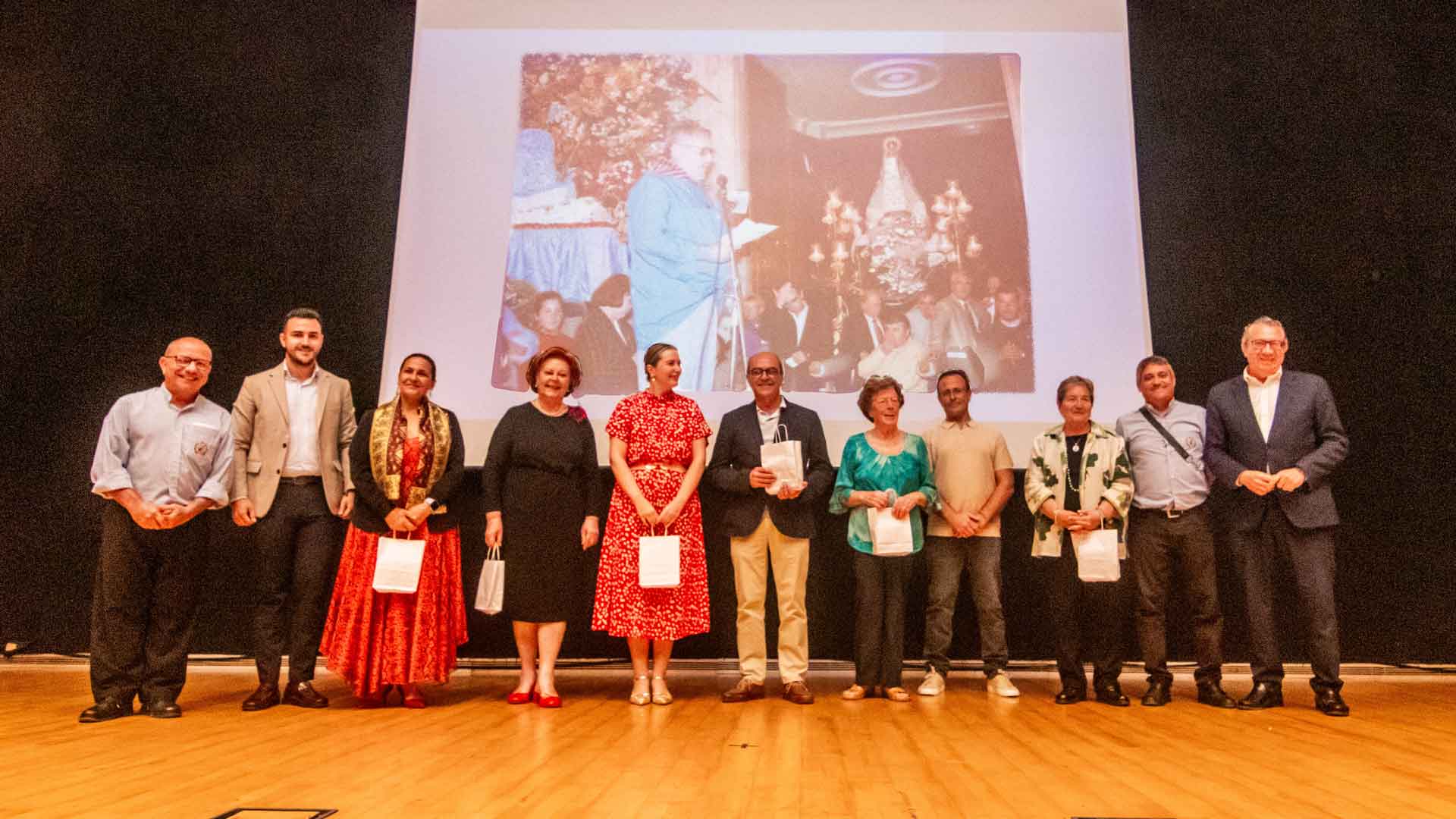
The event was attended by Mayor Toni Pérez, Councillors for Culture and Fiestas Jaime Jesús Pérez and Mariló Cebreros, and other members of the municipal corporation. Also present were regional parliamentarian Manuel Pérez Fenoll; President of the Comissió de Festes Majors Patronals, Ramón Cano; festival queens Laura Ivars and Carmen Guillem, together with their courts of honour; and representatives of various cultural groups and associations.
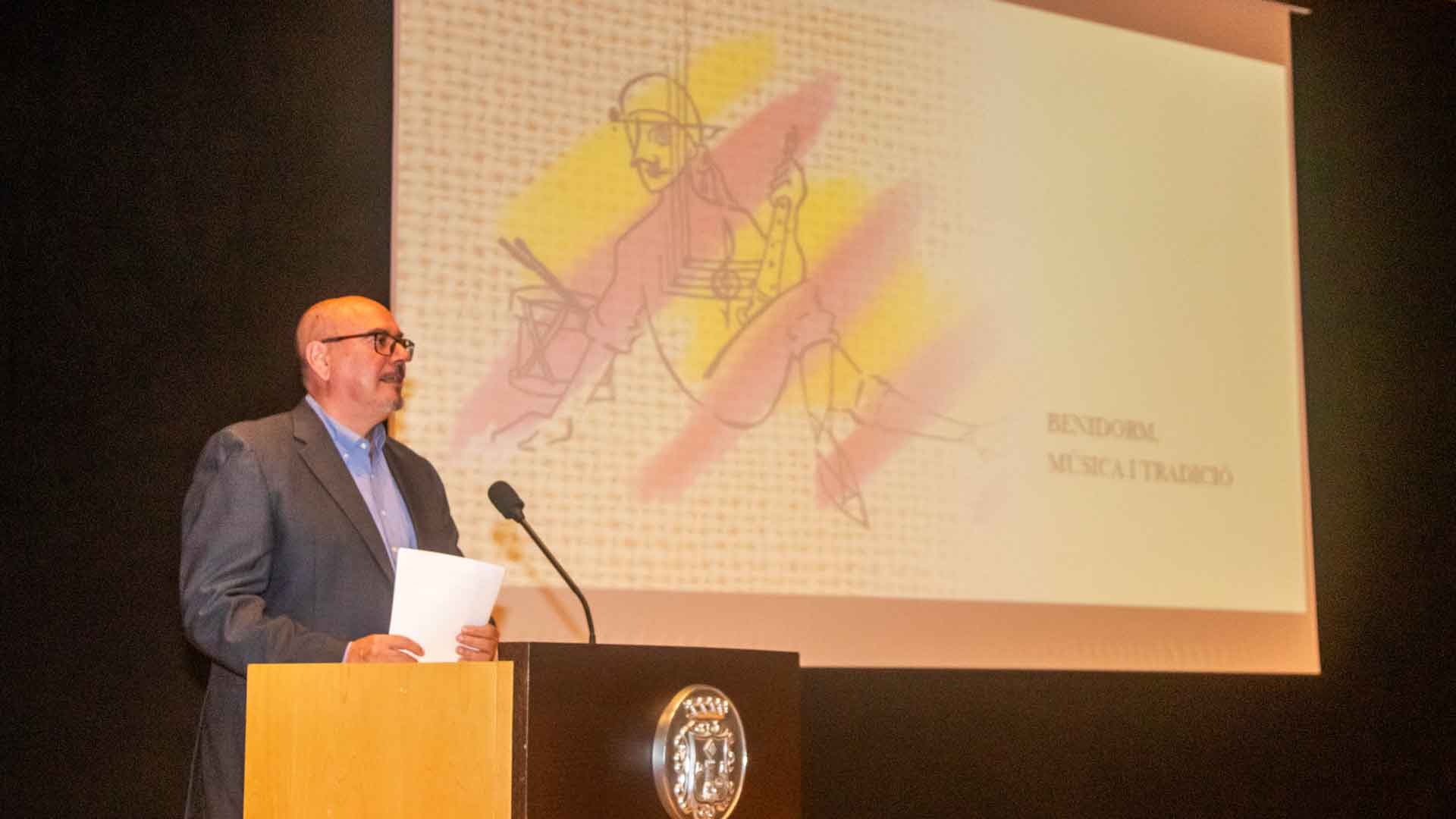
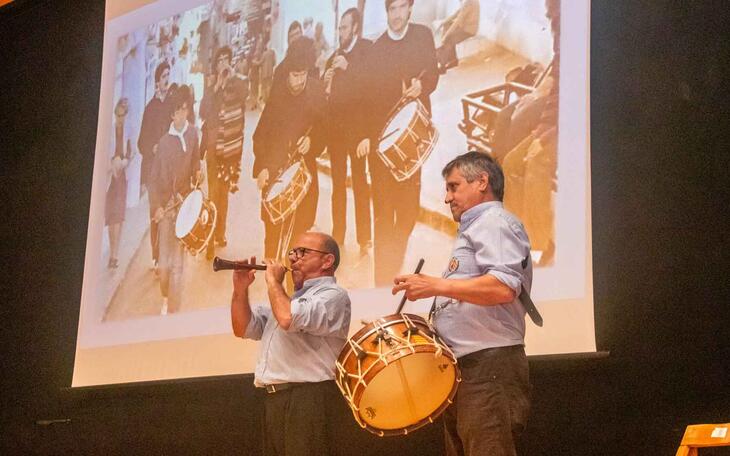
Musician Juan Antonio Espinosa, recipient of the ‘Ciutat de Benidorm Cultural Distinction’, hosted the presentation. Alongside ‘El Bessó’, performing on the xirimita (a traditional Valencian wind instrument), and tabal drummer Juanjo Llorens, he helped bring local folk music to life through pieces associated with festive occasions and traditions, including the despertà (the early-morning wake-up call), traditional games such as cucanyes, street processions, the Offering, the Copletes and the Ball del Peuet.
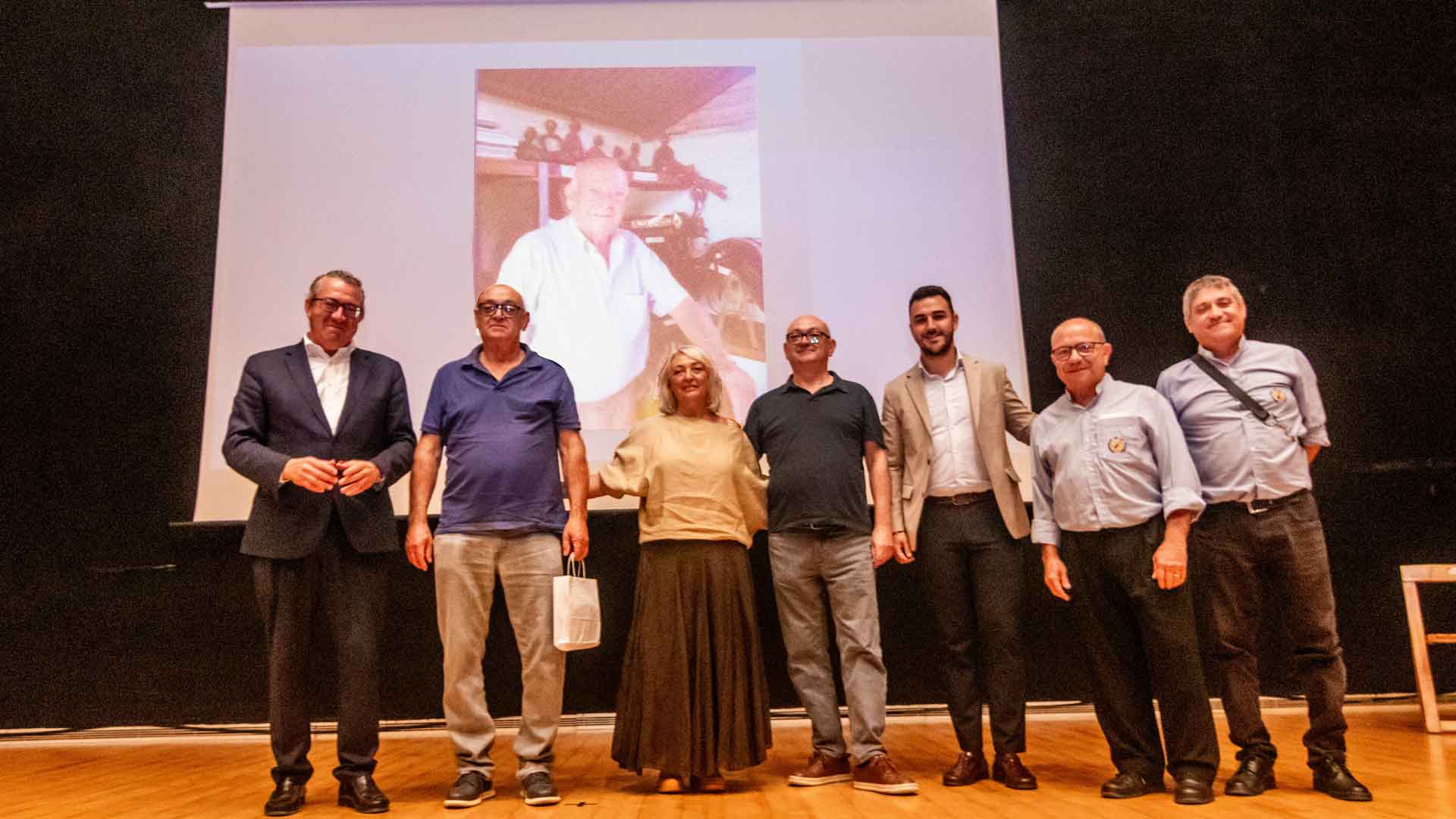
The evening also screened historical images of the late Copletes performers: Jaume Pérez Llorens, known as ‘El Llugueret’; Jaume Antón Grau; and Francisco Alvado Barber, known as ‘l’Esquilaor’. Their voices could be heard performing the copletes alongside other regular singers such as Magdalena Simarro, Inga Martínez, Eusebi Chiner and María Sufragio Martínez Simarro.
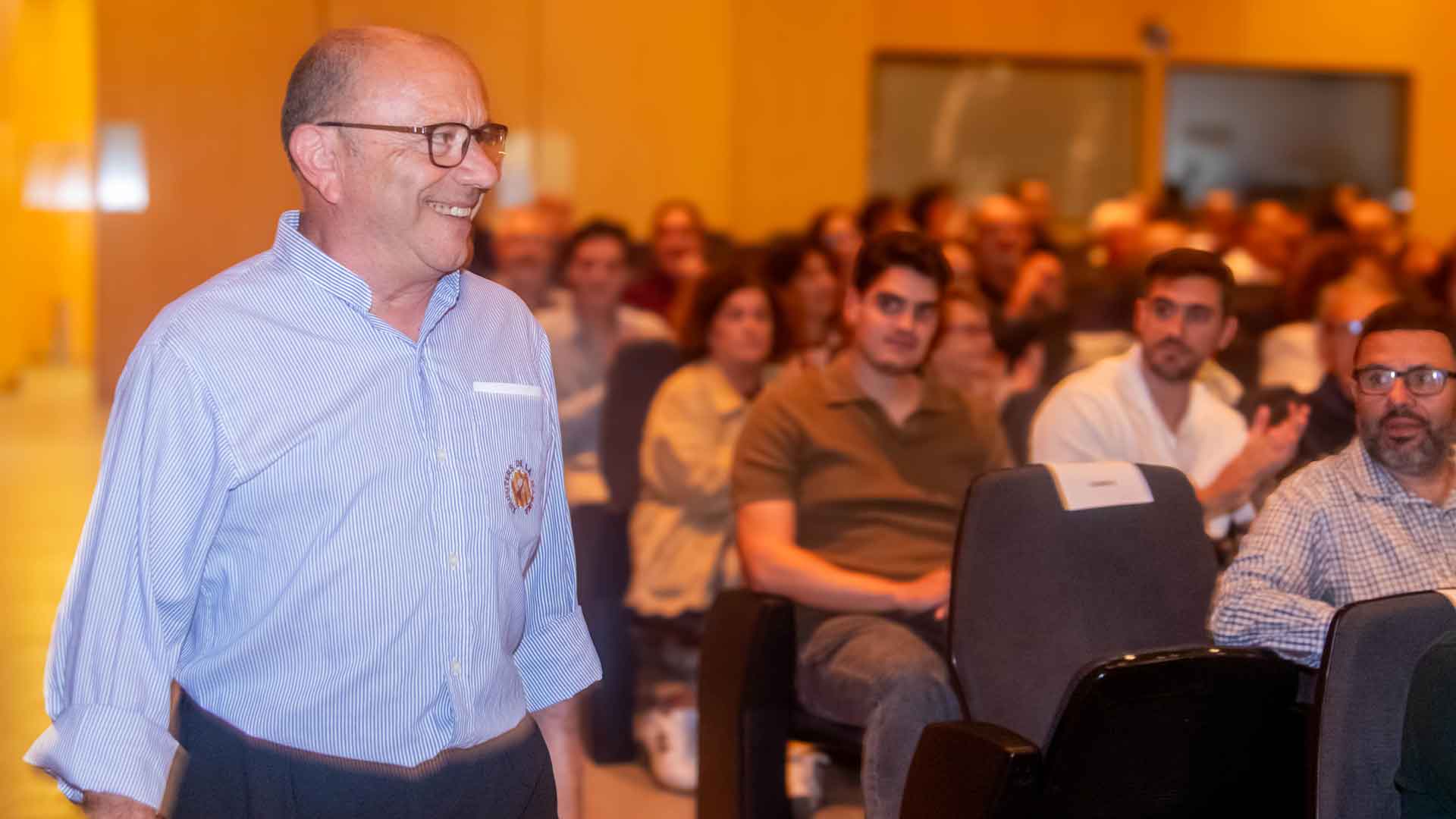
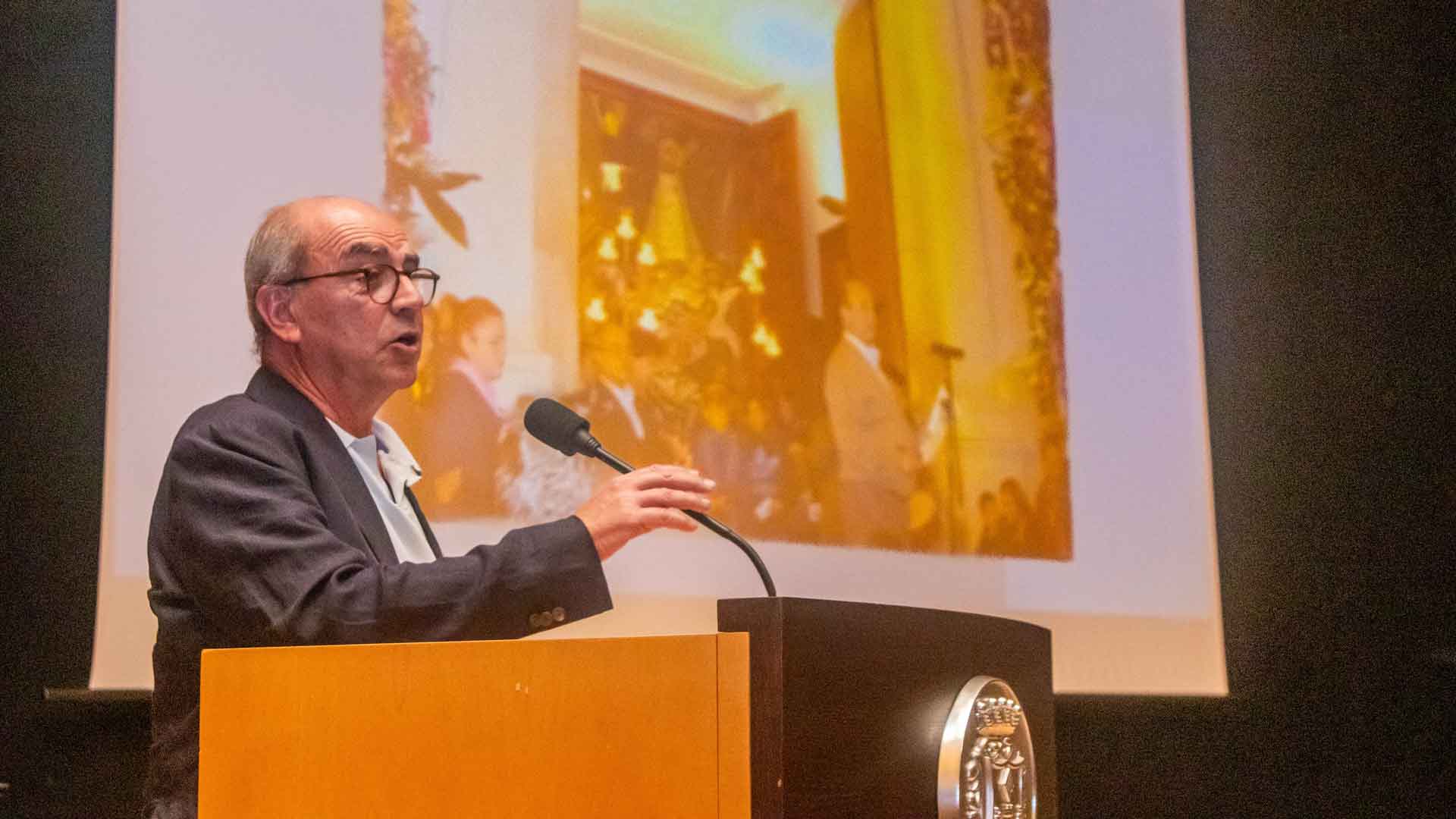
Speaking from the stage, Paco ‘El Bessó’ had previously highlighted the importance of preserving Benidorm’s traditional xirimita repertoire, which has been passed down orally through generations and is closely linked to the town’s various festive events. “If the festivities evolve and a particular event is no longer held, the musical piece associated with it stops being performed and risks disappearing,” he warned.
The musician also highlighted the importance of improvisation in this tradition, as well as the changes it has undergone in recent decades, including the establishment of music schools and the transcription of melodies into written form to make them easier to learn. In this regard, he emphasised the need to continue preserving this musical heritage through recordings that capture the different traditional styles of performance, whether featuring the xirimita and tabalet or two xirimites, helping to keep Benidorm’s musical legacy alive.
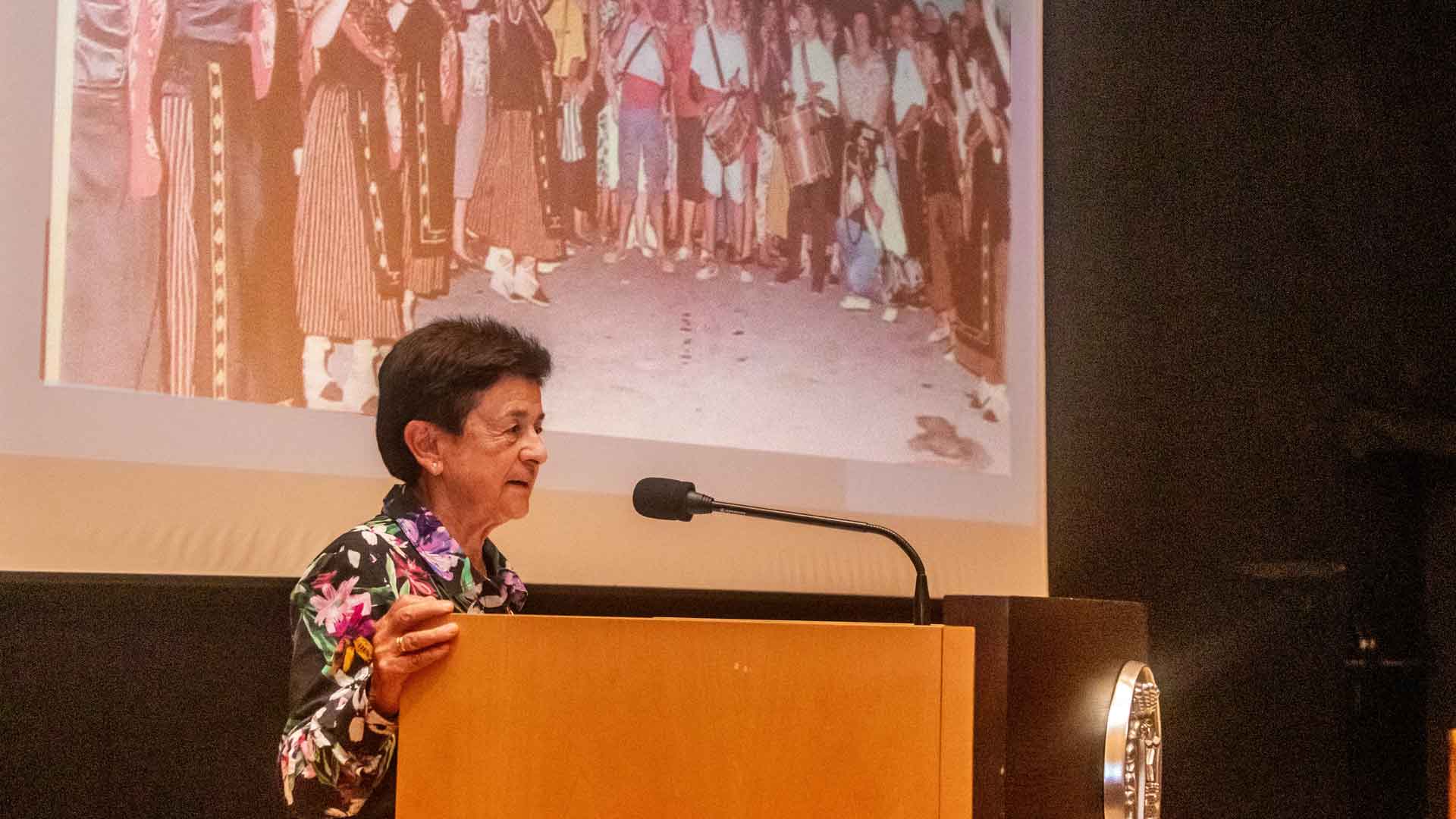
Eusebi Giner also spoke at the event, explaining the historical and festive significance of the ‘Copletes a la Mare de Déu del Sofratge’, a tradition he described as “the chronicle of our town”. The CD features a romance consisting of 14 stanzas recounting the Incarnation of the Virgin Mary, along with 22 copletes dedicated to her history and devotion. Giner stressed that “their authorship remains unknown”, although research suggests they may have been written “between 1850 and 1890, possibly by a member of the clergy with a strong cultural background”.
Eusebi Giner also noted that the copletes remain an integral part of Benidorm’s festive life and paid tribute to the singers who have helped keep this tradition alive since the mid-20th century. The doctor also performed several traditional cants de parva (or cants de batre) a cappella for the audience, songs traditionally sung in the countryside during the threshing season.
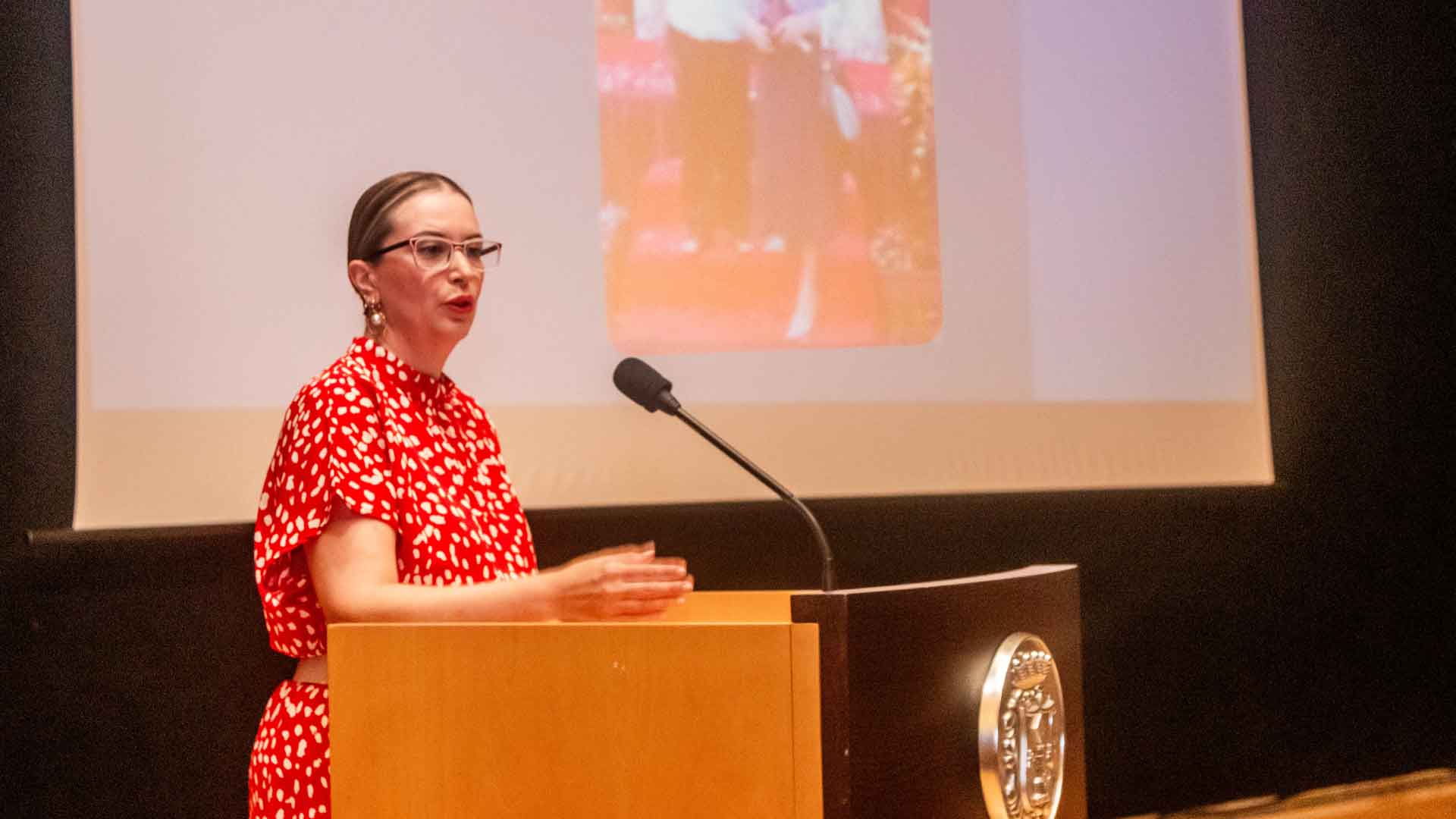
Meanwhile, María del Sufragio Martínez highlighted the evolution of the Copletes a la Mare de Déu del Sofratge and the incorporation of women into this tradition, which was historically performed exclusively by men. Pepa Orozco, for her part, recalled the revival of the Peuet, Benidorm’s traditional dance, in 1991, during her time as president of the Comissió de Festes Majors Patronals.
Benidorm Mayor Toni Pérez brought the event to a close by highlighting the importance of reviving and preserving the town’s musical and festive traditions, as well as the work of those who have passed them down from generation to generation. In his address, he emphasised the significance of the recording as a testament to an essential part of local history, bringing together the Copletes a la Mare de Déu del Sofratge, the music of the xirimita and tabalet, and the Ball del Peuet.
Pérez also highlighted the inclusion of new voices in the copletes, including those of women, as an example of how traditions can evolve without losing their essence. He also congratulated Paco ‘El Bessó’, Juanjo Llorens and all the individuals and groups involved in the project, praising their contribution to preserving Benidorm’s cultural heritage and ensuring that it continues to be passed on to future generations.
The Fiestas Commission holds its penultimate meeting ahead of the Patron Saint Festivities.
At the end of the event, the Mayor and the Councillor for Fiestas joined the Comissió for what was its penultimate meeting before the Patron Saint Festivities on 7 November.
Toni Pérez thanked the Comissió de Festes Majors Patronals for the work carried out over recent months in preparing the celebrations and praised the commitment of its members. He also congratulated the organisation on its choice of festival queens and their courts of honour, describing them as “absolutely fantastic, among the very best anyone could imagine”.
Pérez encouraged the committee to approach the main days of the festivities with enthusiasm and to ensure that all the hard work invested in the preparations results in celebrations that live up to the public’s expectations. In this regard, he urged residents to give the festival queens an enthusiastic welcome: “When our queens arrive, applaud until your hands can take no more, because enthusiasm is contagious”.
The Mayor concluded by wishing everyone an outstanding celebration and to enjoy “the best festivities possible”.