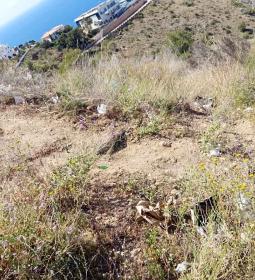
Benidorm celebrates Arbour Day with 5th and 6th grade students from the Mestre Gaspar López and Ausiàs March schools, who have planted 300 Mediterraneanplant species
El Moralet park has planted nearly 2,500 new trees so far this year
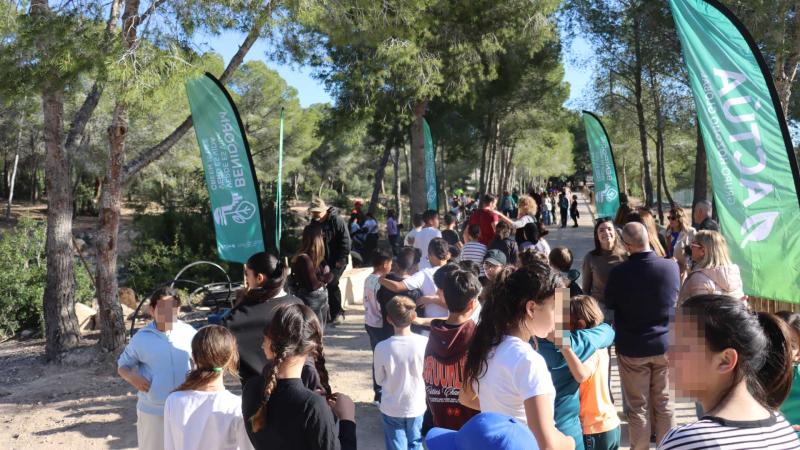
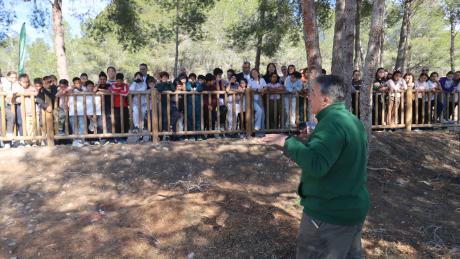
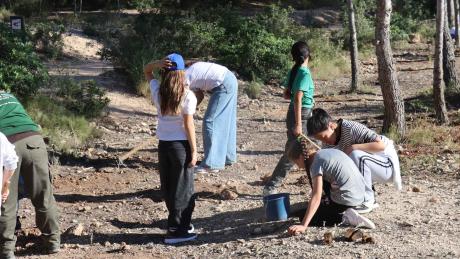
Around one hundred fifth and sixth-grade students from Mestre Gaspar López and Ausiàs March schools participated today in the traditional Arbour Day celebration in Benidorm, now in its twenty-third year, which took place in El Moralet Park. This initiative, organised by the City Council through the Departments of Education, Environment, and Parks and Gardens, also involved some twenty students from the ‘Benidorm Natura i Esport’ employment workshop.
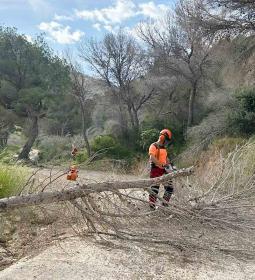
It is worth noting that El Moralet Park has already seen the planting of nearly 2,500 new trees this year, including those planted this morning. Thus, the company Bertolín has planted more than 200 trees as part of a fire prevention and improvement project funded by European funds. Students from the employment workshop have planted 150 trees, and in addition, more than 2,000 trees have been planted by Ferrocarrils de la Generalitat Valenciana (FGV) as part of the TRAM track duplication project.
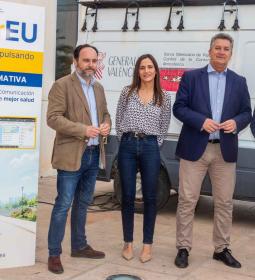
The mayor of Benidorm, Toni Pérez; the councilors for Education and the Environment, Maite Moreno and Mónica Gómez; and other members of the council participated in the event, which also had the support of the Local Police Environmental Unit, the foster ranger, and municipal technicians, as well as representatives from the companies contracted for Parks and Gardens (Actúa) and Street Cleaning (FCC).
This event aims to bring “nature closer to younger generations so they not only know how to plant a tree, but also how to care for it and then enjoy it,” said Toni Pérez, who added that “the tree planted today is the tree that will give us shade tomorrow.” The mayor emphasised the positive aspect of “young people learning that a tree is life, a living being, that must be cared for at all times.”
Today, schoolchildren planted around 300 specimens of native species such as poplar (Atriplex halimus), esparto grass (Lygeum spartum), thyme (Thymus vulgaris), and dwarf palm (Chamaerops humilis).
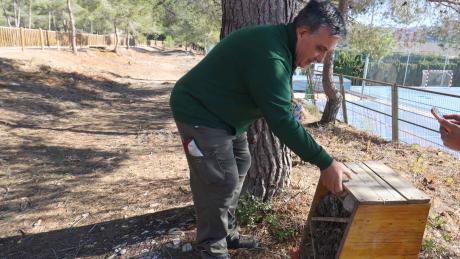
At the end of the activity, a small beetle (Cryptolaemus montruozieri) was released. Its main prey is the mealybug, a pest found on citrus trees, grapevines, and some ornamental plants. This insect is a voracious predator of mealybugs in all their developmental stages, thus serving as an effective natural controller of this pest.