‘La Mar épica’ brings Benidorm’s Almadraba fishing heritage back to life
The publication brings together nearly 200 photographs by Jesús Navarro, documenting one of the most significant periods in the city’s maritime history through images, personal testimonies and historical records
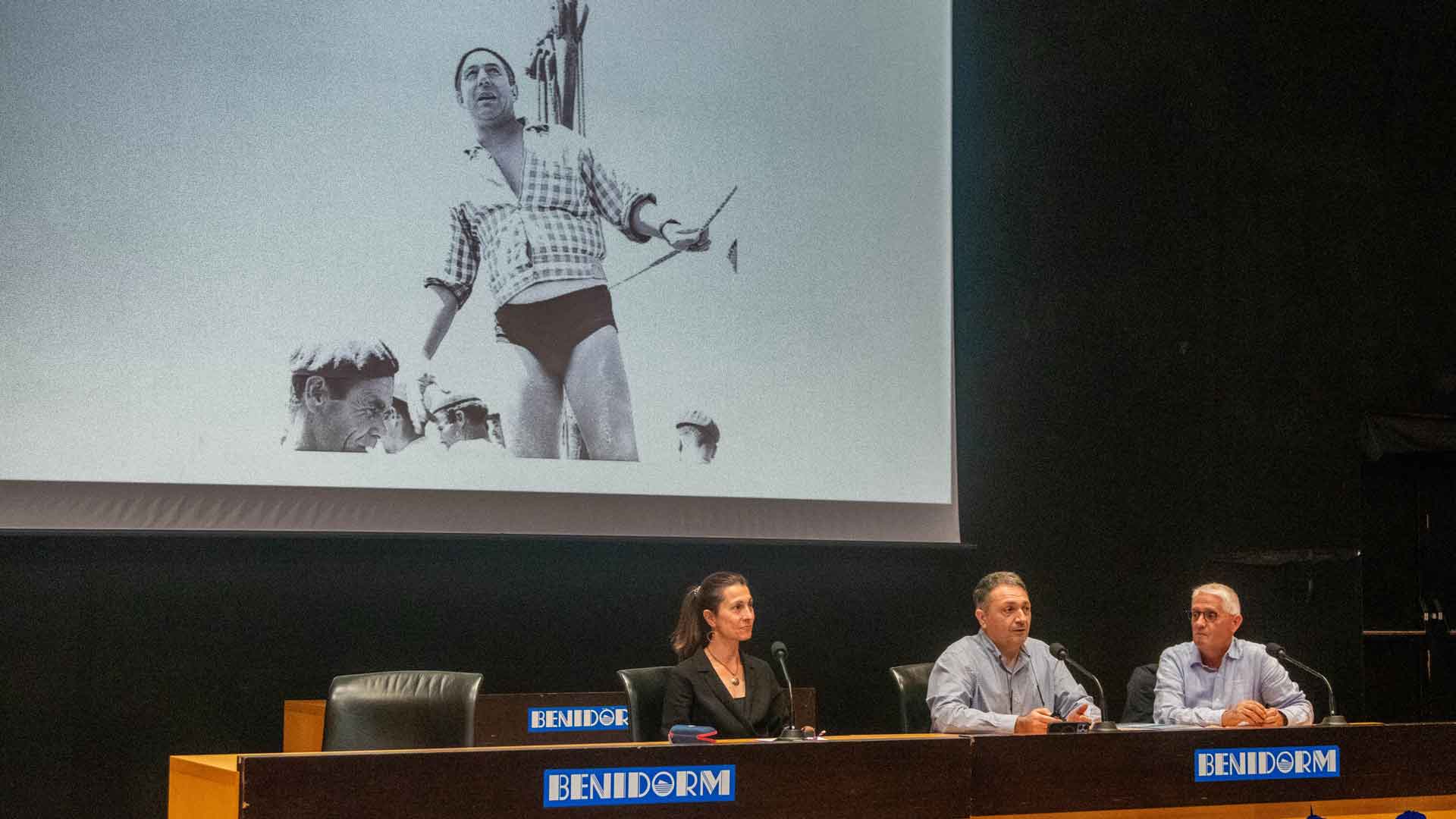
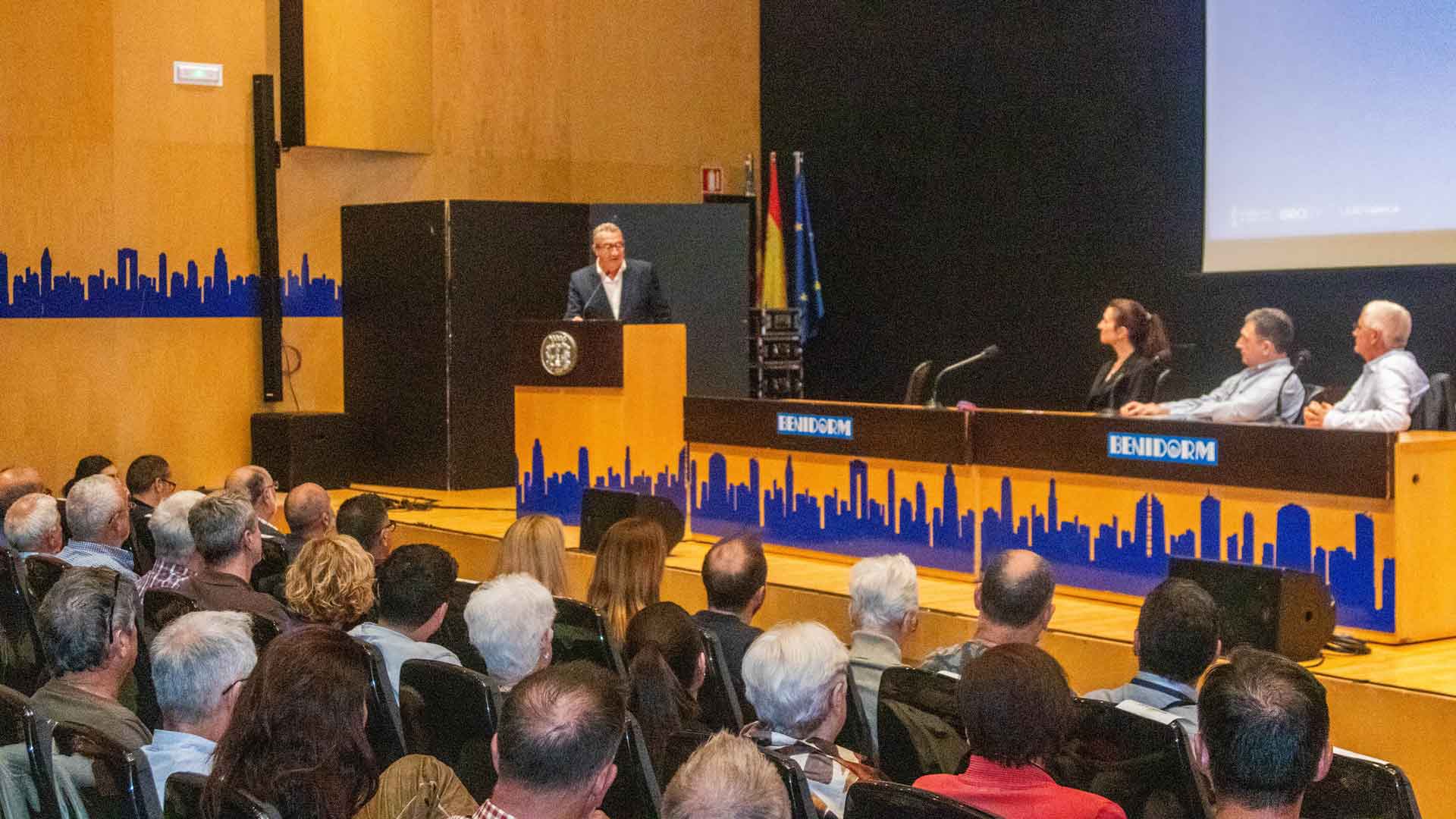
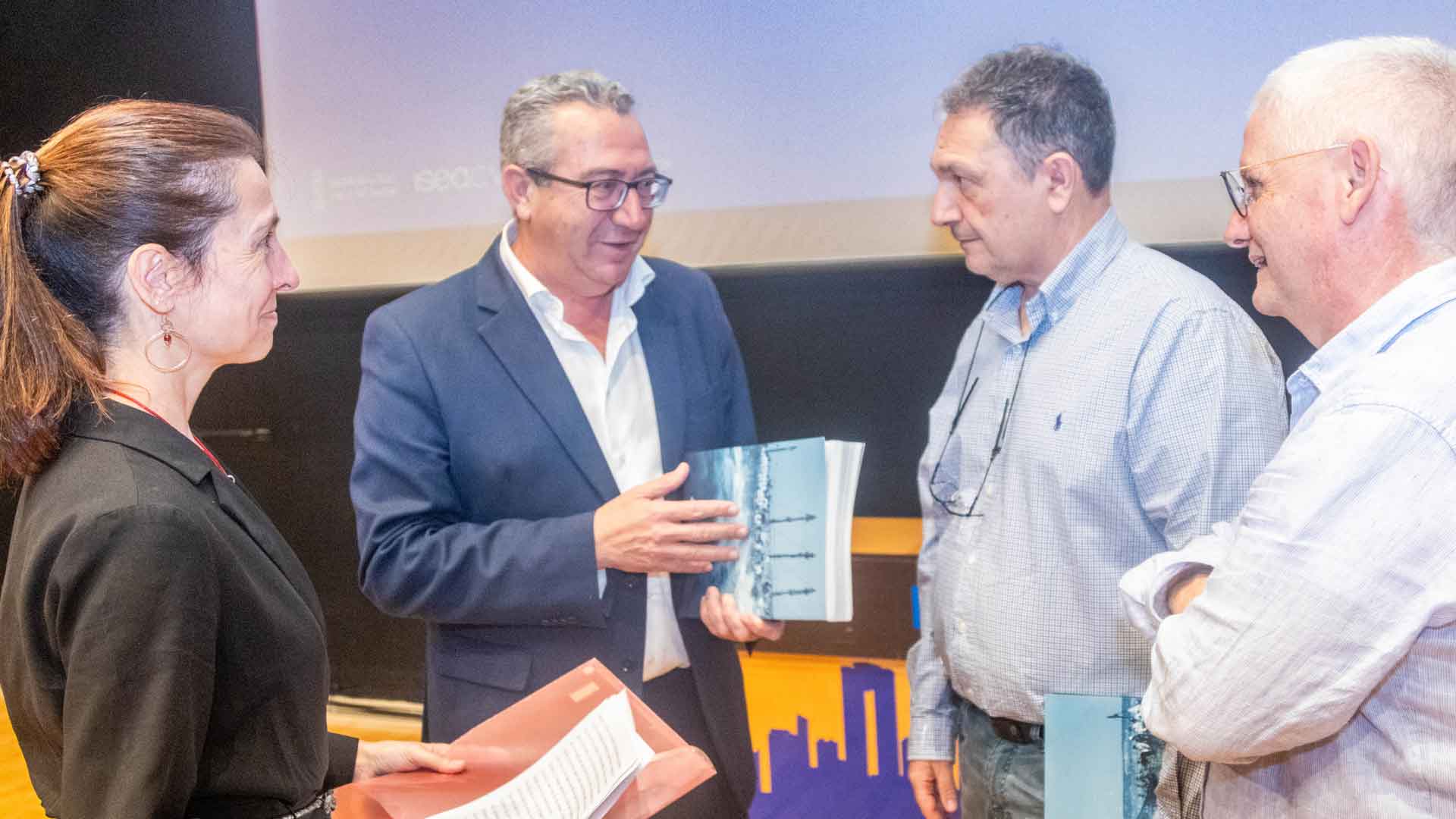
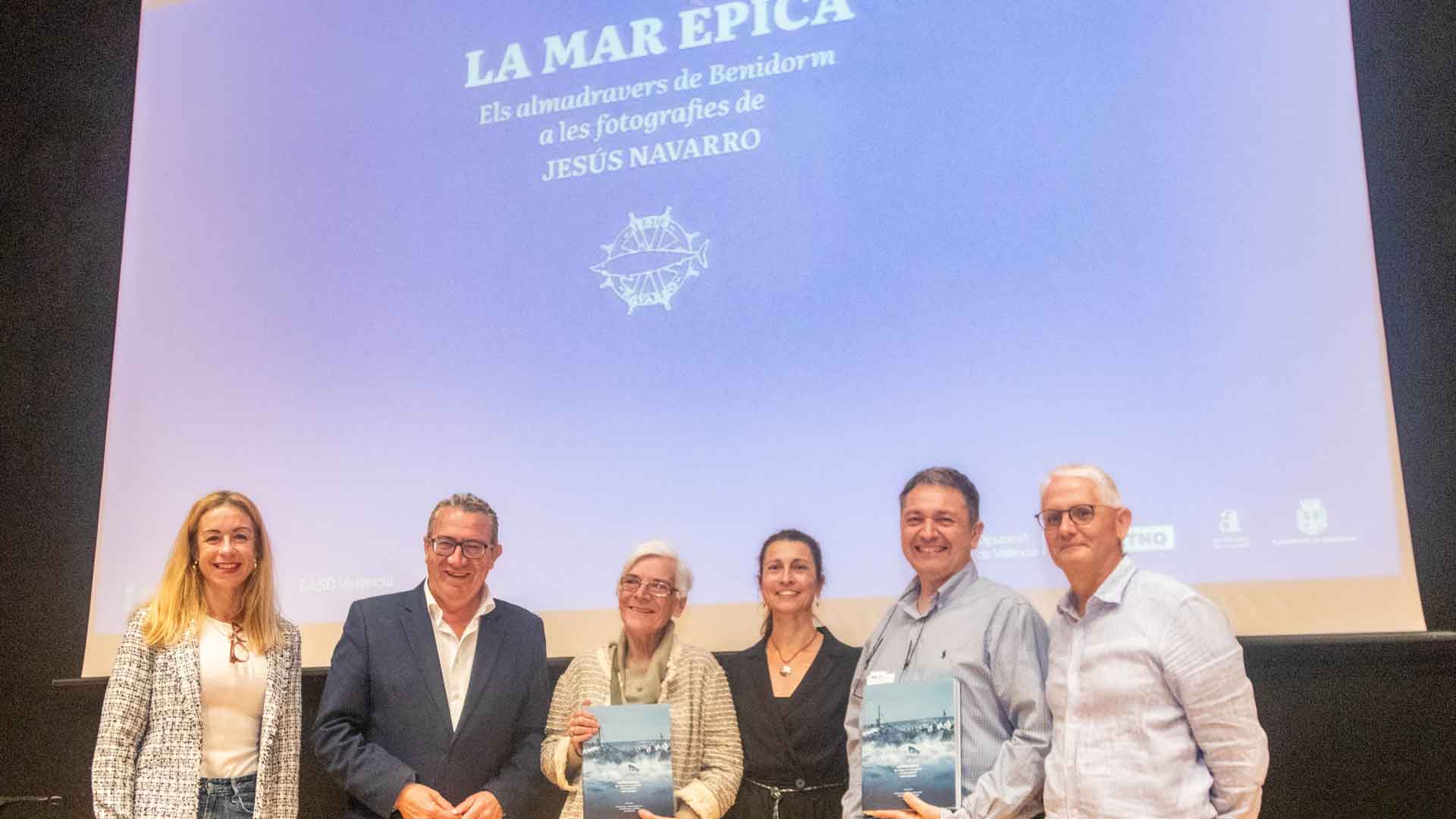
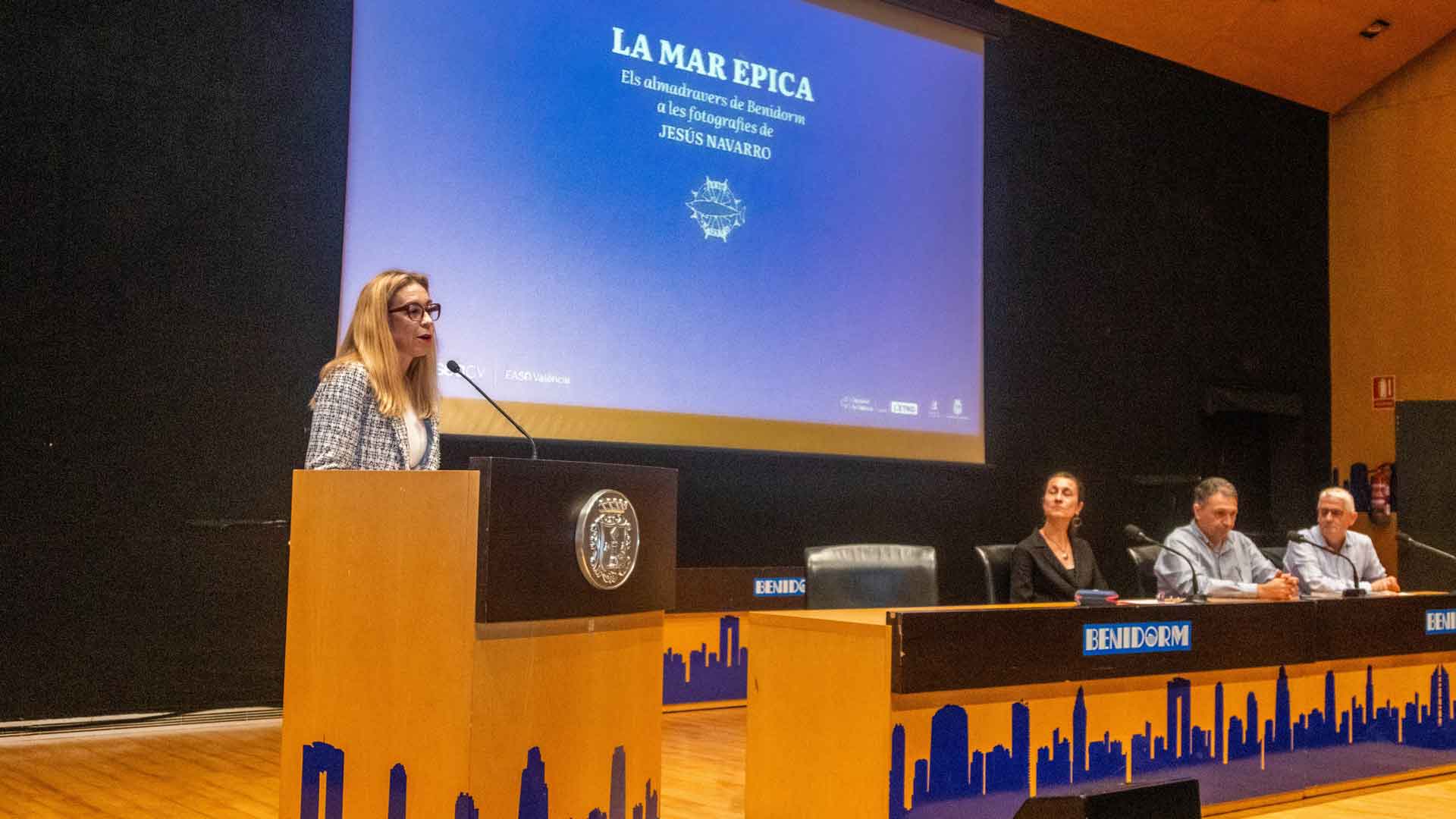
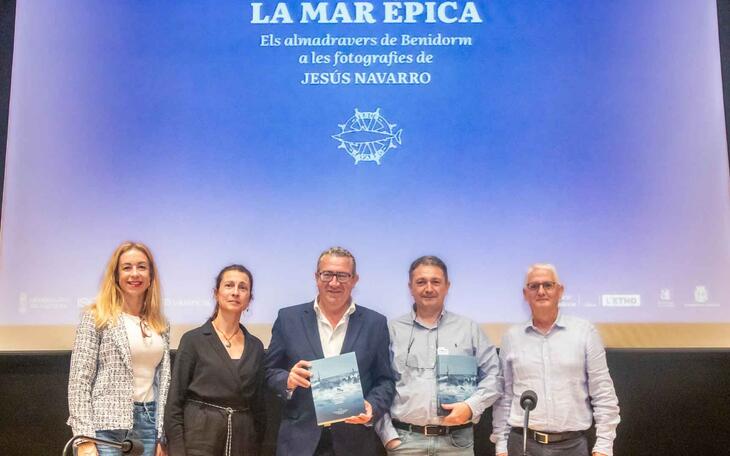
The Assembly Hall at Benidorm Town Hall hosted the presentation last night of the book La Mar Èpica: els almadravers de Benidorm a les fotografies de Jesús Navarro, a publication that recovers and celebrates an essential part of the city’s maritime heritage.
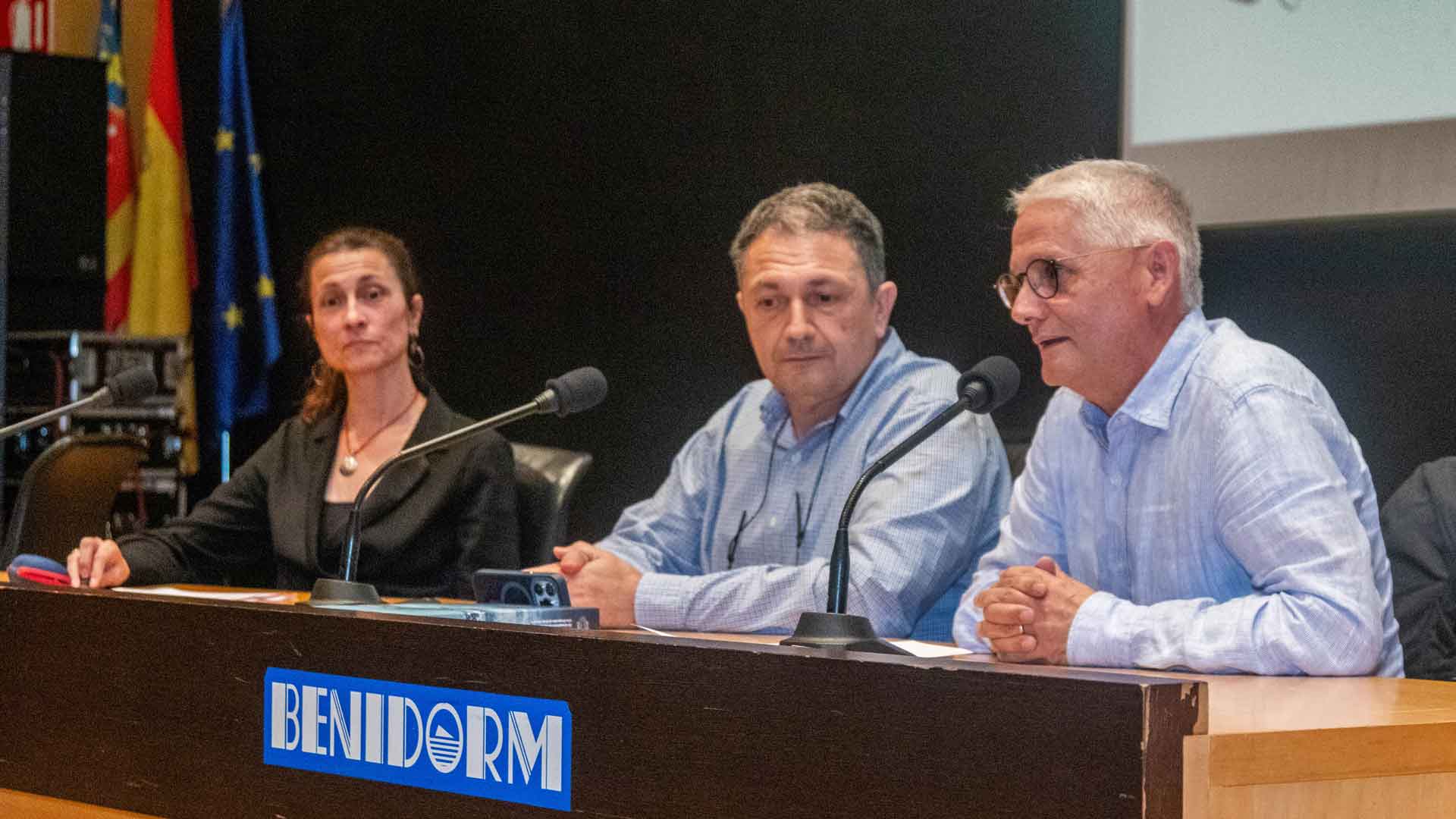
The event was attended by Mayor Toni Pérez; Councillor for Historical and Cultural Heritage Ana Pellicer; other members of the municipal council; regional parliament member José Ramón González de Zárate; and the authors of the work: Jaume Fuster, project director; professor and researcher Francesc Xavier Llorca Ibi; and Paqui Navarro, niece of photographer Jesús Navarro, whose photographic archive forms the centrepiece of the book.
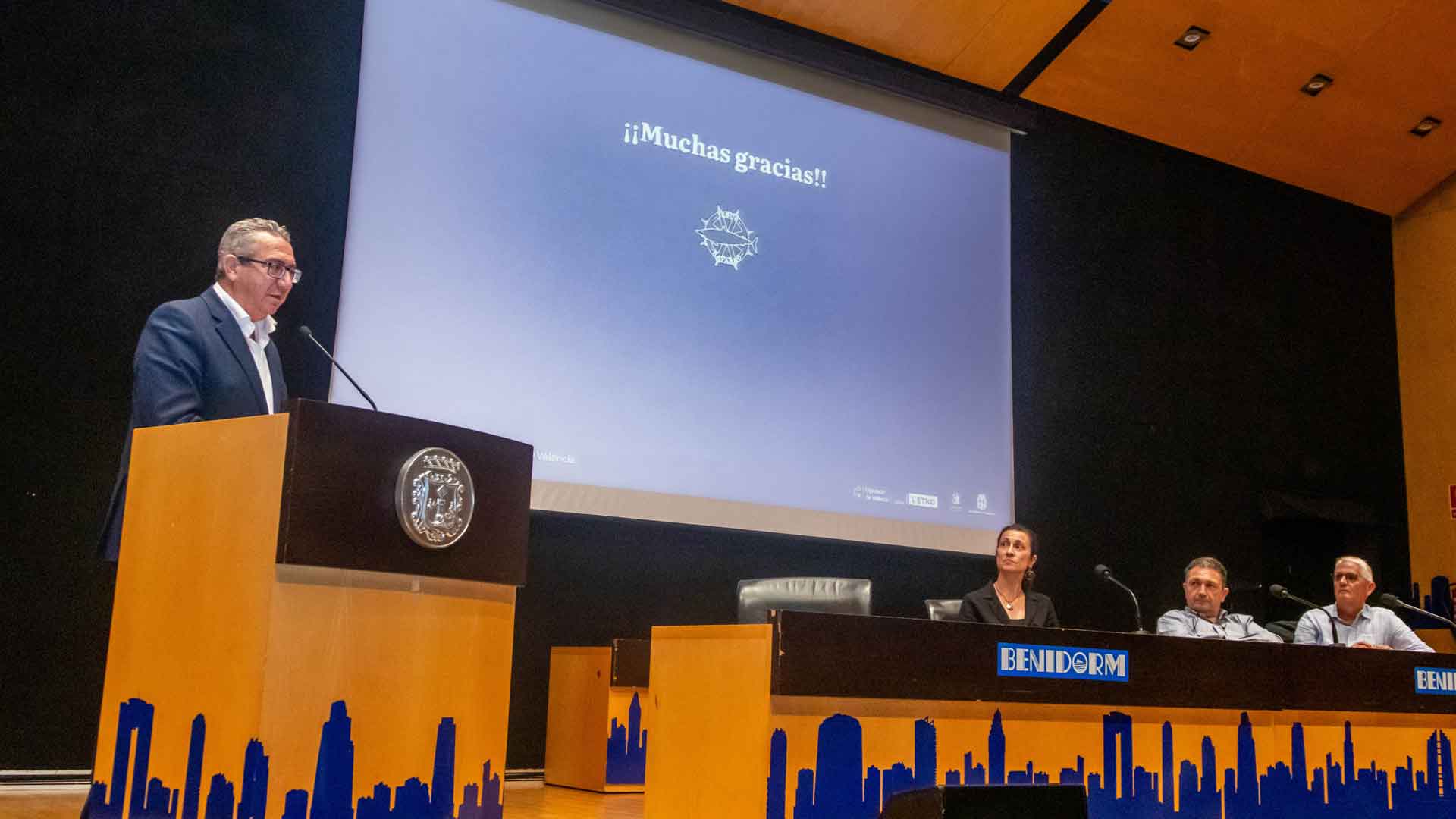
Mayor Toni Pérez highlighted the documentary and human value of the project, which helps preserve the memory of generations of people whose lives were connected to the traditional tuna fishing traps known as almadrabas. Pérez emphasised that Jesús Navarro’s photographs do more than simply depict a fishing activity: they portray the people involved and an entire way of life. As the mayor put it, the photographer “captured people, culture and tradition”. He described both the book and the accompanying exhibition as having extraordinary value, preserving an important part of Benidorm’s maritime identity through images and bringing it closer to younger generations.
Pérez also recalled the city’s fishing origins, with its maritime activity documented as far back as 1403, and reflected on his own family connections to the profession. He stressed the importance of recognising the men and women who worked at sea, as well as the people of Benidorm who took their knowledge and expertise to tuna fishing grounds across the Mediterranean and beyond. He also thanked Jaume Fuster and everyone involved, including the institutions that helped make the project possible.
For her part, Ana Pellicer emphasised that the 439-page full-colour volume “goes far beyond simply bringing together photographs”, as it documents and provides historical context for an essential part of Benidorm’s maritime heritage. The councillor highlighted how the images bring the people behind this activity closer to the public and “put faces to our memories”. Pellicer also stressed the responsibility of public institutions to preserve and promote cultural heritage, ensuring that this legacy reaches the wider community and remains part of the city’s collective identity.
One of the most moving moments of the presentation was the contribution by Paqui Navarro, Jesús Navarro's niece, who recalled various aspects of her uncle’s career as a self-taught photographer and pioneer of underwater photography. Among other details, she spoke about his work in the photographic laboratory and how the negatives documenting the tuna fishing grounds had been stored separately, ultimately making it possible to recover this collection of images. Navarro thanked everyone involved in the project and concluded by saying: “It has been an honour to embark on this journey with you”.
Jaume Fuster, director of the publication, explained the research and production process behind the book, which involved 24 documentary and oral sources, as well as two years of work digitising original negatives dating back more than 70 years. Fuster summed up the importance of placing photographs in their historical context with the following reflection: “A photograph without memory is like something prehistoric. Impossible to understand”.
The book features around 200 photographs, alongside historical information, illustrated explanations, poems and content in Valencian, Spanish and English. It also includes an extensive acknowledgements section recognising the more than 50 people who contributed to its creation.
The presentation also featured Francesc Llorca Ibi, professor at the University of Alicante and a specialist in maritime terminology, who introduced the audience to the richness and complexity of the vocabulary associated with the traditional tuna fishing traps. Llorca explained the different origins of some of these terms and the spread of this fishing technique, in which Benidorm sailors played a prominent role. His presentation showed how the history of the almadraba is also preserved through the words used by those who worked in the industry.
The publication forms part of a wider project to recover and promote this heritage, which also includes an exhibition of the same name at the Museu Boca del Calvari. The exhibition features more than 100 photographs by Jesús Navarro, together with objects and documents illustrating the history of the tuna fishing grounds and the important role played by Benidorm sailors in this activity. It also includes four previously unpublished videos and will remain open to visitors until March 2027. The project has received support from the Provincial Councils of Alicante and Valencia and Benidorm City Council.
The book has been published thanks to the collaboration of the Provincial Councils of Alicante and Valencia and Benidorm City Council. This project makes it possible to recover, document and share an essential part of the city’s collective memory.