The Valencian government presents a new platform in Benidorm to monitor air quality in real time
The Comprehensive Environmental Control Platform (PICA) will generate 45 million measurements annually to achieve more agile and effective management
Toni Pérez states that “true development is measured by the well-being of people and by having a more efficient and humane territory”
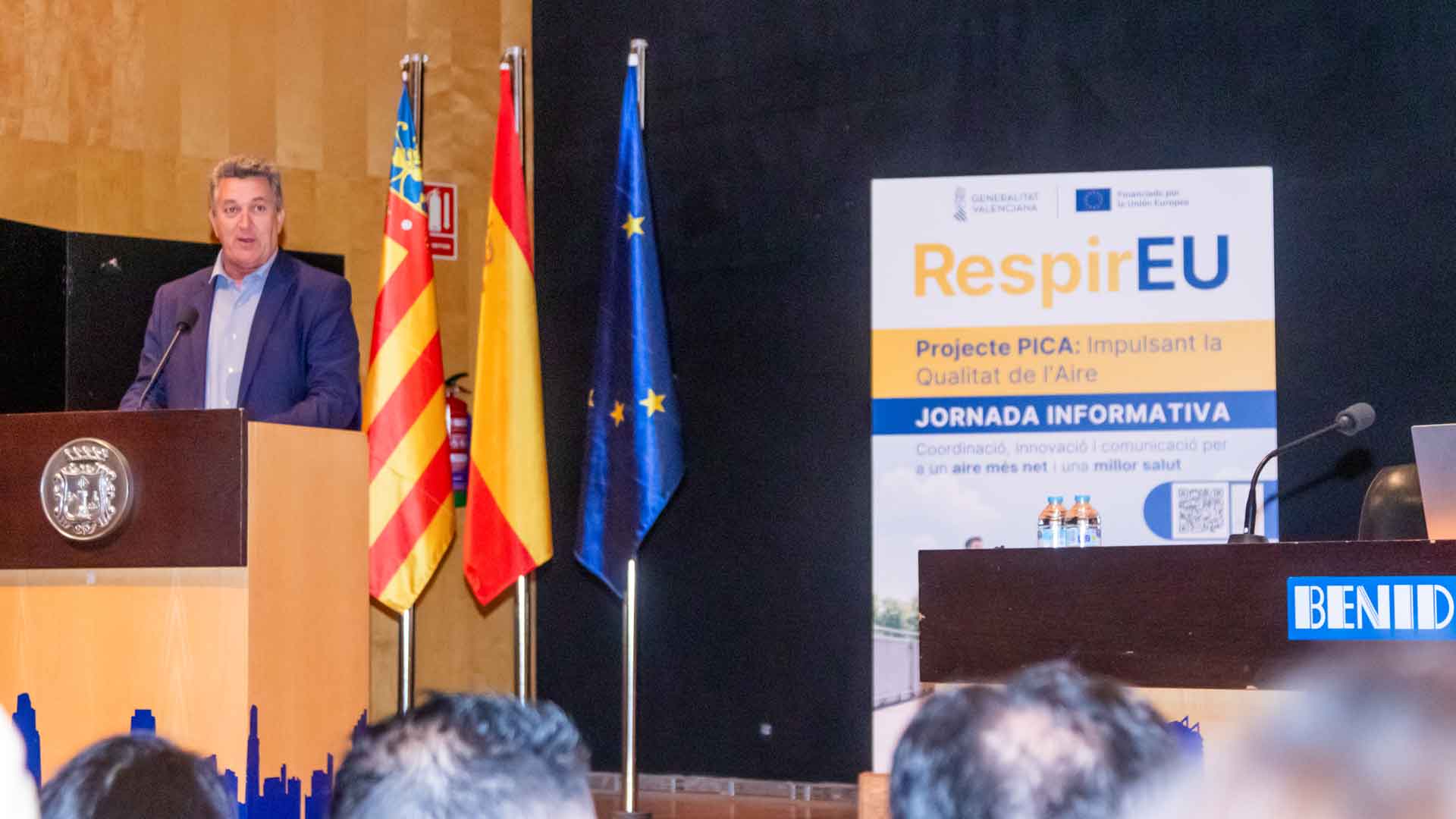
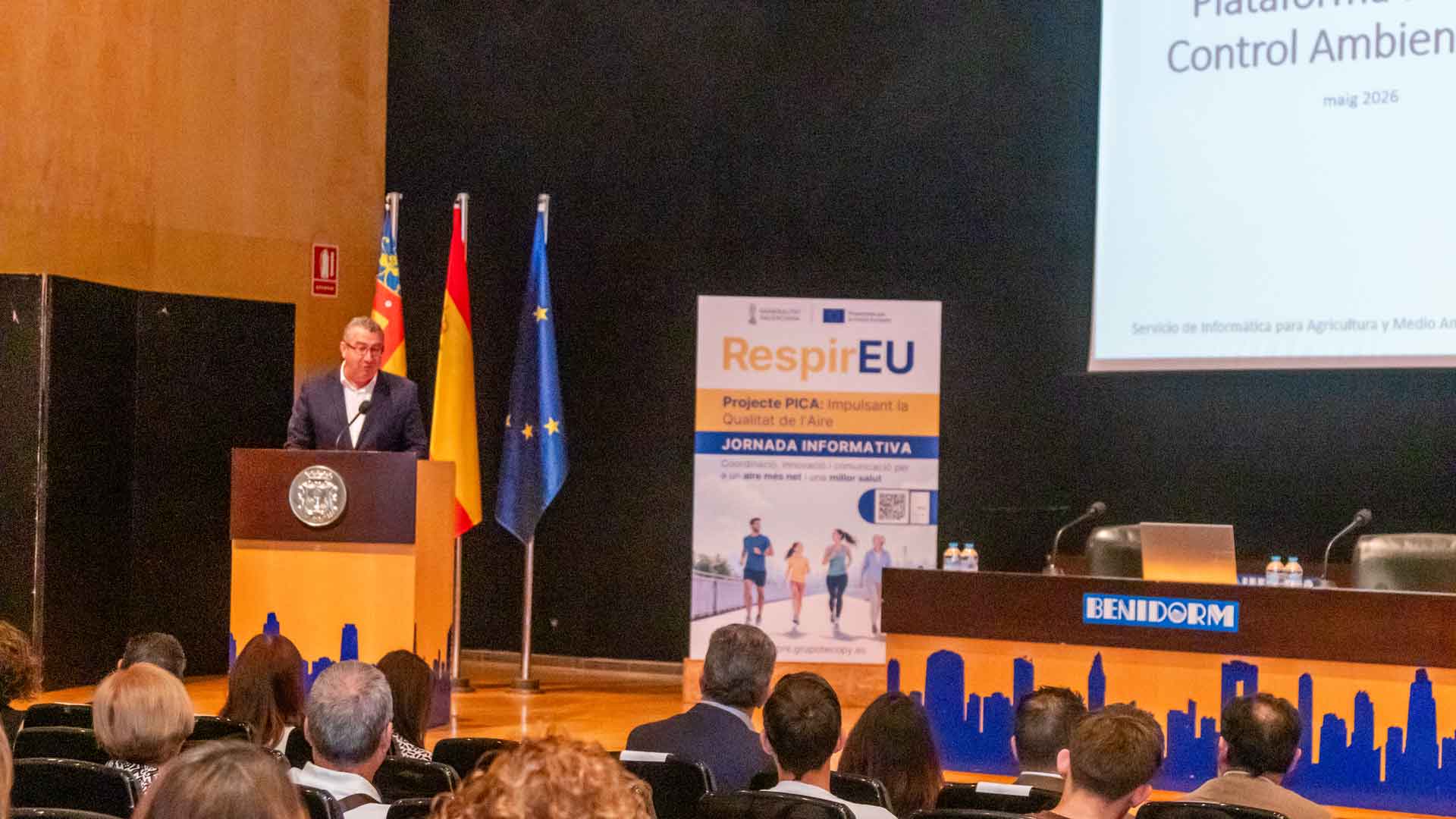
The Valencian Regional Government (Generalitat Valenciana) today presented a new tool in Benidorm that will allow for real-time monitoring and tracking of air quality, enabling agile, interoperable, and effective management. The Integrated Environmental Control Platform (PICA) will generate more than 40 million measurements annually throughout the Valencian Community via the Valencian Monitoring Network, which comprises 82 active air quality monitoring stations (56 owned by the Generalitat and 27 by other entities such as port authorities, municipalities, and energy or industrial companies).
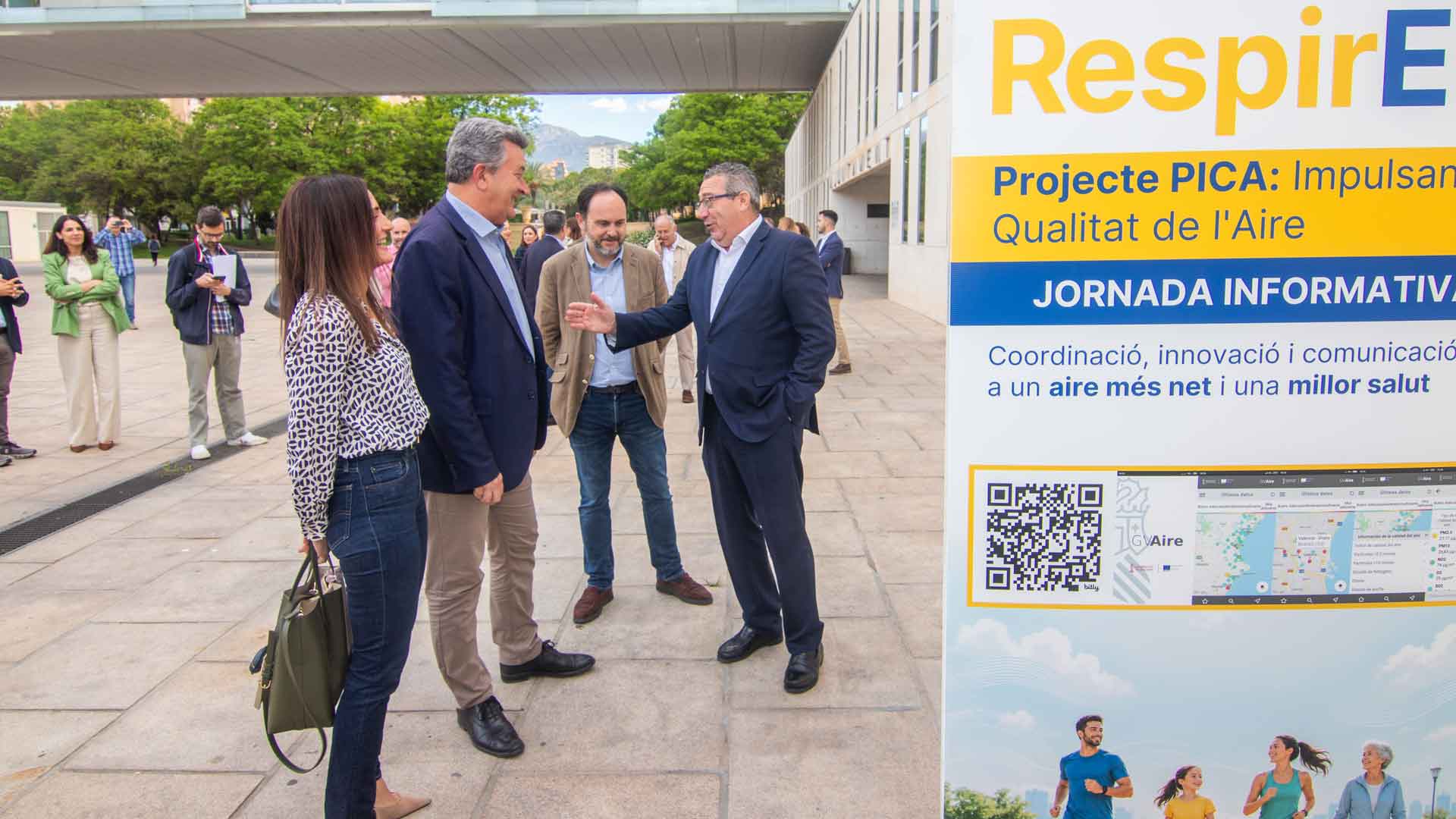
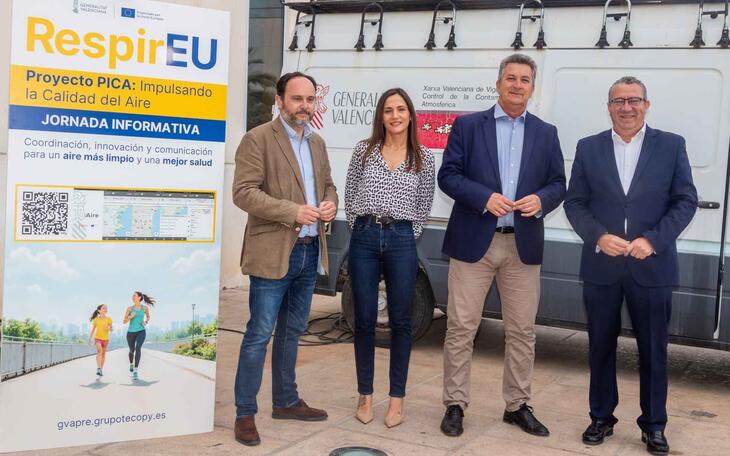
The presentation took place in the City Hall's Assembly Hall and was attended by the Mayor, Toni Pérez; the Regional Minister for the Environment, Infrastructure, Territory, and Recovery, Vicente Martínez Mus; the Regional Secretary for the Environment, Sabina Goretti; and the Director General of Environmental Quality and Education, Jorge Blanco. Members of the local council and regional deputies Manuel Pérez Fenoll and José Ramón González de Zárate were also present.
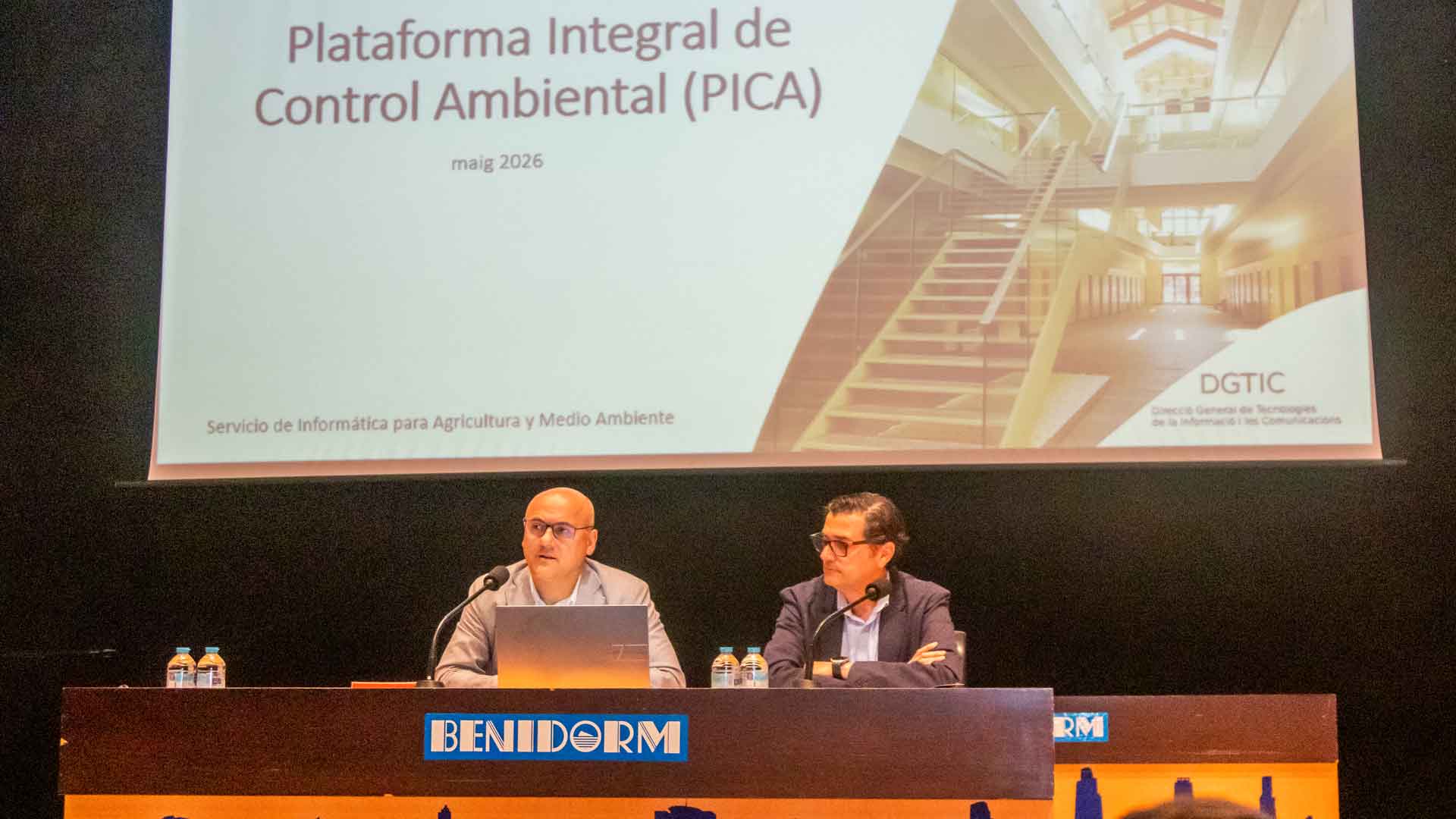
The platform has been launched for the air quality project, given its strategic importance, and will eventually allow the monitoring of any sensor-based system. Among the advantages of this system are a single point of contact for all stakeholders, centralised documentation, direct access to files and measurements, and the automation of notifications and administrative communications.
The PICA (Air Quality Monitoring Platform) centralises and manages all air quality information in the Valencian Community by receiving automatic data from sensors installed at monitoring stations, manual data from laboratories, and validations from the Mediterranean Centre for Environmental Studies. With this information, it performs mathematical calculations, generates alerts for exceeding thresholds or missing data, and produces statistical and regulatory compliance reports. The system also allows information to be visualised in dashboards, graphs, and geolocated maps, and integrates with applications and web services such as the GVA Aire app and the future public air quality portal.
Martínez Mus stated that the platform represents “a technological leap forward in the environmental management of the Valencian Community,” enabling “more agile, interoperable, and efficient management” of data related to air quality and emissions control. With the new application, he continued, “data traceability is improved, the security and reliability of the information are strengthened, and a much greater capacity for monitoring and decision-making will be available.” The initiative has an investment of over two million euros, funded by the European Union through the ERDF Valencian Community program for the 2021-2027 period.
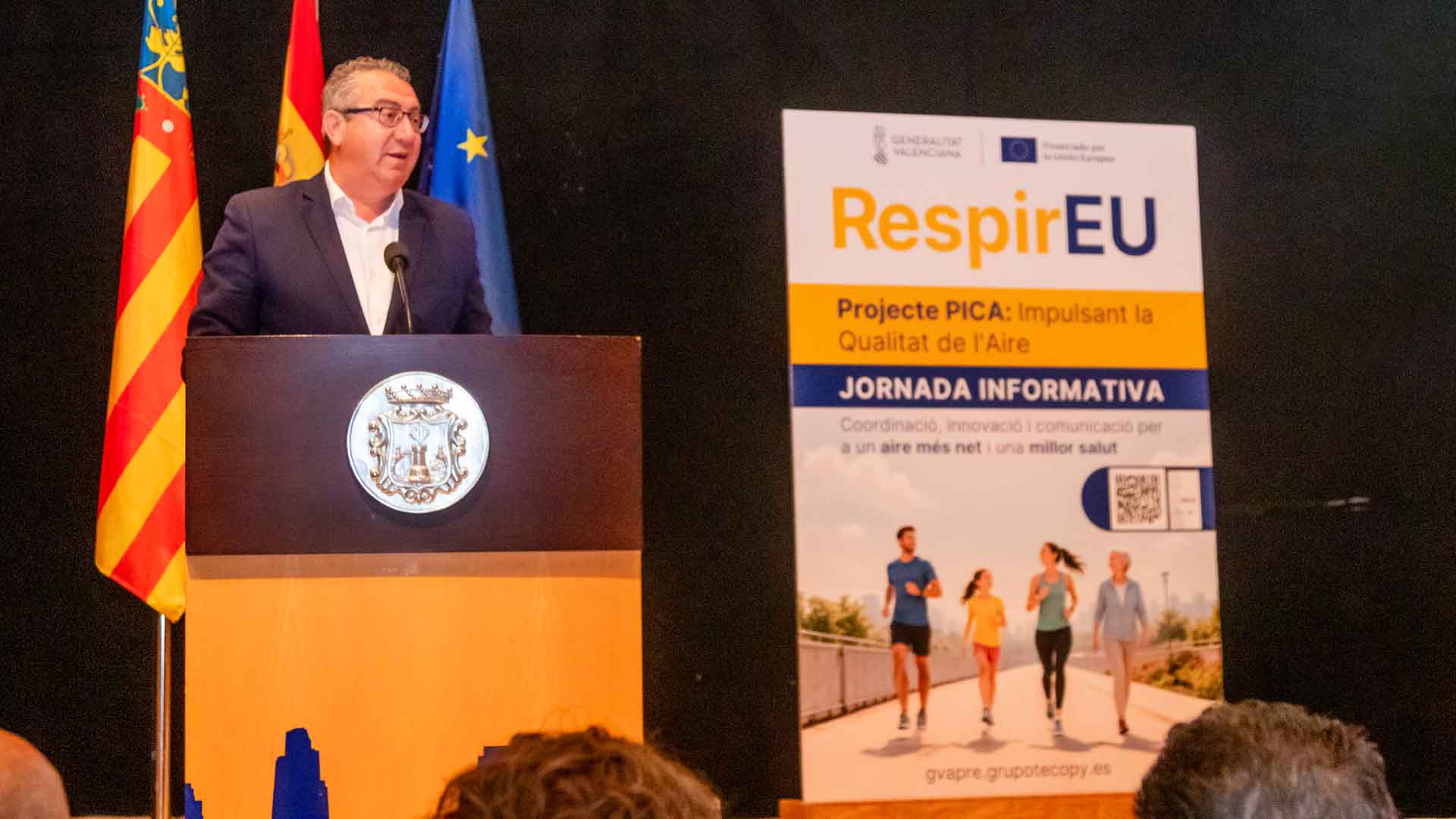
Mayor Toni Pérez stated at the presentation that the PICA (Air Quality Monitoring Platform) is “a project that aims to advance governance policies,” and in that sense, he asserted that “true development is measured by the well-being of people and by having a more efficient and humane territory.” Pérez emphasised that improving air quality requires investment, and therefore considered “monitoring and coordination between administrations” to be “fundamental.”
The mayor has cited Benidorm as an example of a city "that has placed enormous importance on air quality since the 1990s." He recalled that in 2004, an environmental monitoring station was already integrated into the Valencian Community's network, and that two more were added in 2024, with four more planned for 2025. "These stations are spread throughout the municipality and measure numerous parameters." "Our air quality has shown very favourable results in recent years," the mayor stated.
This improvement has been aided, for example, by "the fact that 75% of journeys within the city are made on foot, and by having a very advanced Mobility Ordinance aimed at giving the city back to pedestrians." For this reason, Toni Pérez indicated that they will continue "ongoing monitoring to position us as a sustainable destination further." He also highlighted the role of the business sector, "which is making very significant progress."