
Benidorm is using plant endotherapy techniques to combat the pine processionary caterpillar in public parks and gardens
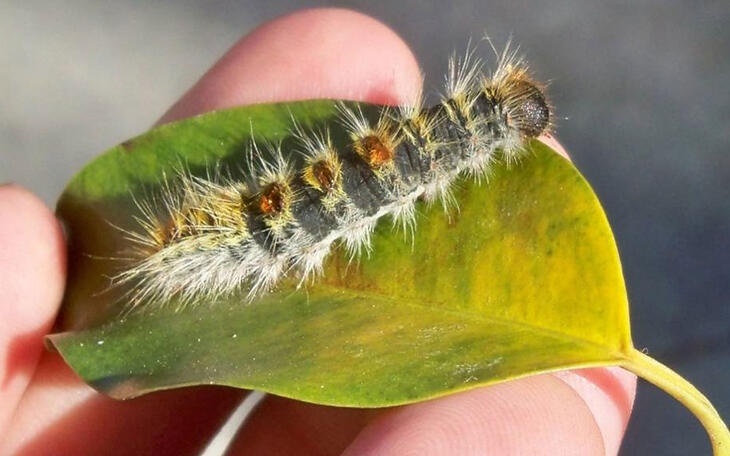
The City Council recommends reporting the presence of nests and caterpillars and not touching or handling them, as contact can cause serious reactions in people and animals
The Parks and Gardens Department of Benidorm City Council is carrying out, as in previous years, measures to control the proliferation of the pine processionary caterpillar (Thaumetopoea pityocampa), a common pest in areas with pine trees that can become a problem in municipal green spaces if its spread is not prevented, as it can impact the health of trees, people, and animals due to potential allergies and serious reactions.
Therefore, the City Council has implemented several measures within these specific control campaigns. The first involves phytosanitary and preventative treatments. One of the techniques used is endotherapy, which consists of the direct injection of authorised products into the tree to eliminate or prevent the presence of caterpillars. "These are products specifically registered for this control technique, and their active ingredient is a systemic insecticide that is transported through the tree's vascular system and provides long-lasting protection," explained the Councillor for Parks and Gardens, José Ramón González de Zárate. This treatment must be carried out annually in pine forests where infestations of this type are suspected.
With these measures, the councillor pointed out, “it has been confirmed that there have been no infestations of this nature, including in El Moralet Park, where these treatments have been carried out in high-traffic areas for people and pets.”
Other techniques employed by the City Council have included the application of Bacillus thuringiensis and other biological products in the early stages of the season to reduce the population before they nest, and foliar sprays when necessary. The most effective method, however, from a technical standpoint, has been visual inspection and the installation of traps with specific pheromones, “which attract the males and reduce reproduction.”
Other actions taken have included the manual removal of nests and their physical management by technical staff before the larvae descend to the ground, especially on private properties with branches overhanging sidewalks or areas near schools. “Similarly, affected branches have been pruned, and trees have been cleaned in parks, school zones, and high-traffic areas,” explained González de Zárate, who also emphasised the installation of rings or traps around the trunk to capture the caterpillars as they descend.
These campaigns, the councillor clarified, “are planned in autumn and winter, before the larvae hatch, and extend until late winter or early spring.” Municipal teams monitor the presence of the pest to determine the best time for intervention.
González de Zárate shared a series of recommendations with the public, “as citizen collaboration is essential for us.” Among them, he cited “reporting the presence of nests or caterpillars to the municipal parks and gardens service, not touching or handling them without protection since the hairs of the caterpillars can cause serious reactions and keeping children and pets away from pine trees with signs of infestation”.