TRAM track urban integration and double-tracking project to add three new signalised crossings and an emergency vehicle crossing
The project, which corresponds the Hospital Vila-Benidorm section, has a budget of 5.6 million euros and will be finished at the beginning of the year
Mayor Toni Pérez and Councillor Martínez Mus emphasise that the works will improve pedestrian mobility and road traffic.
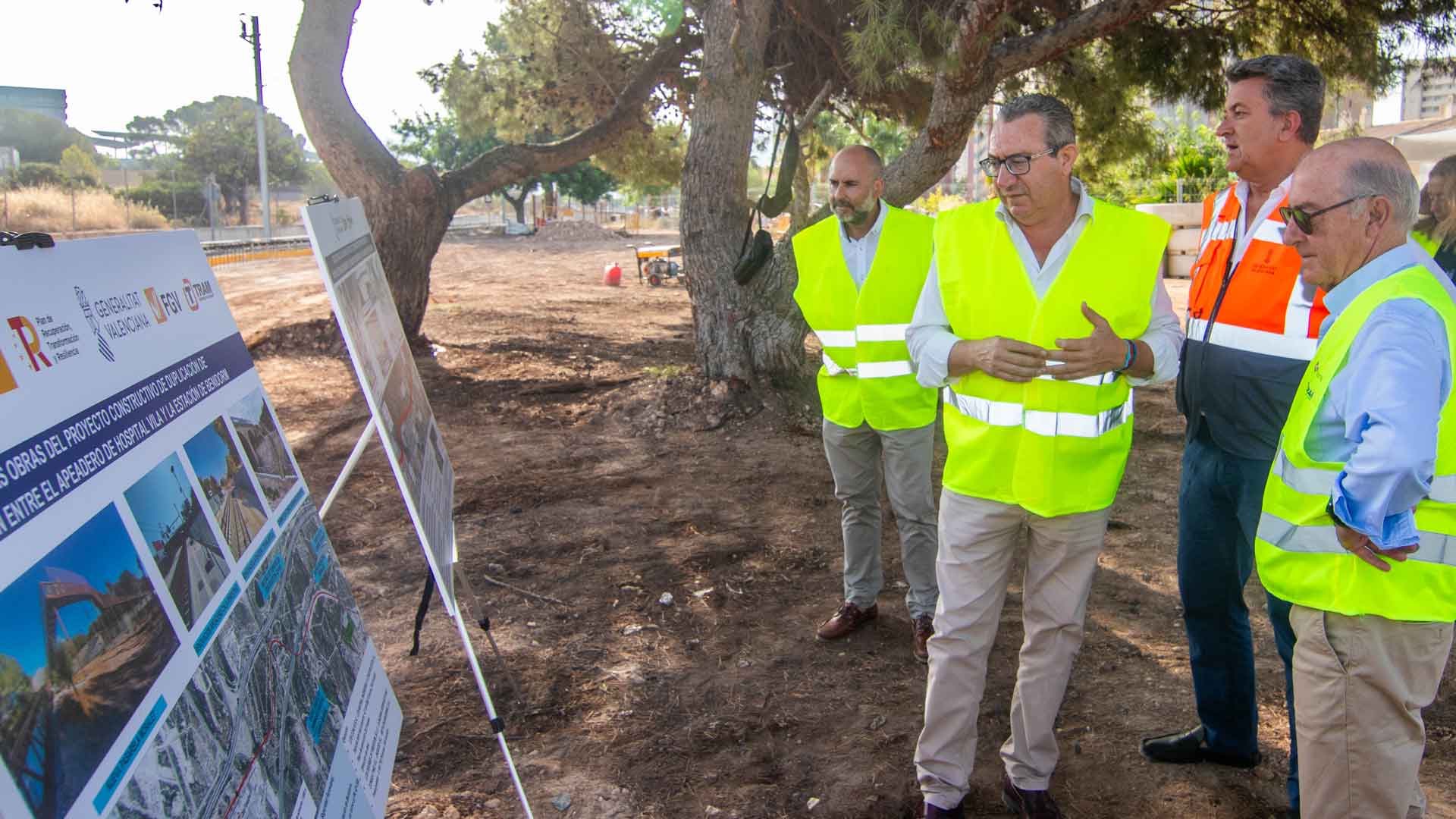
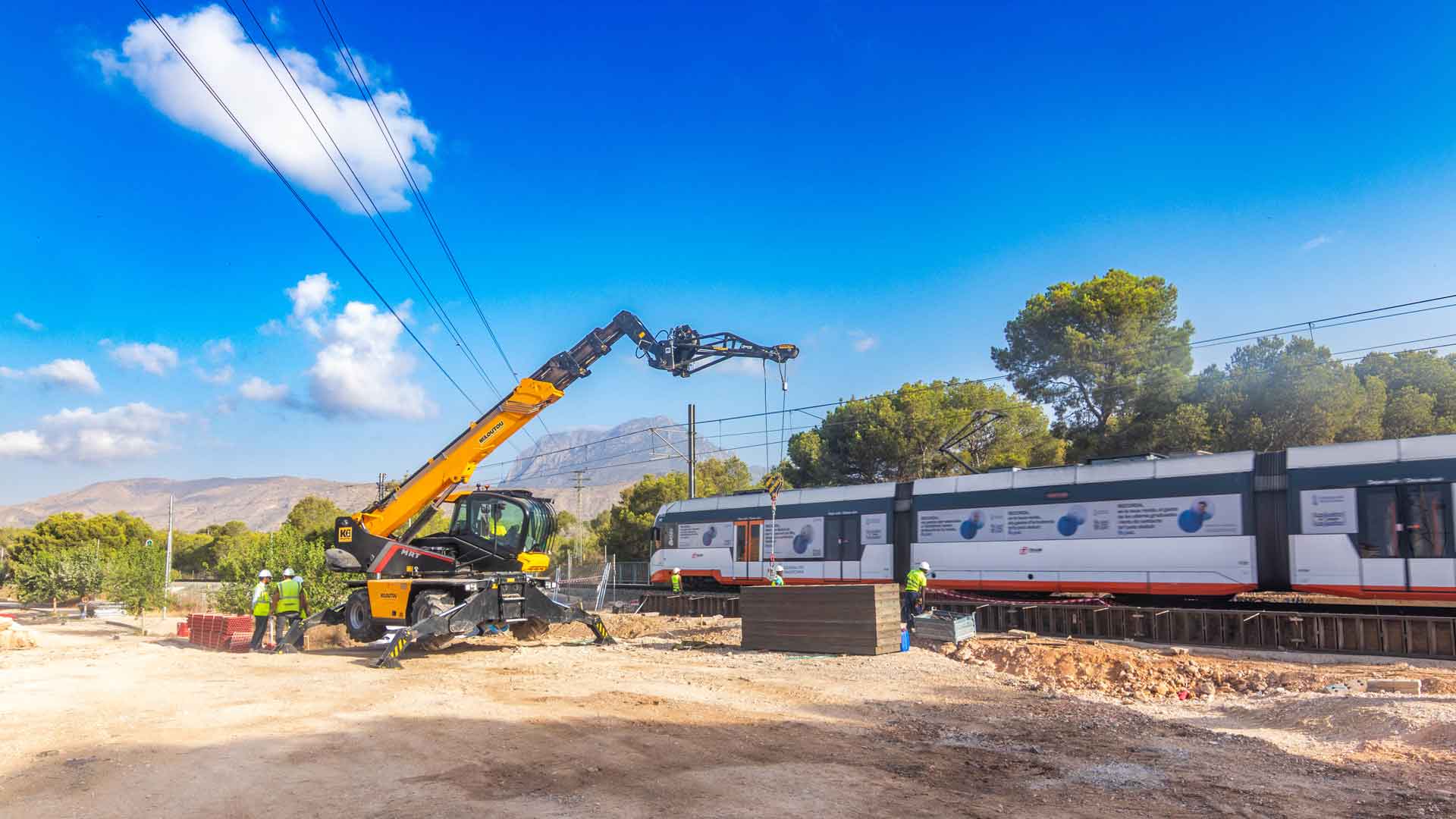
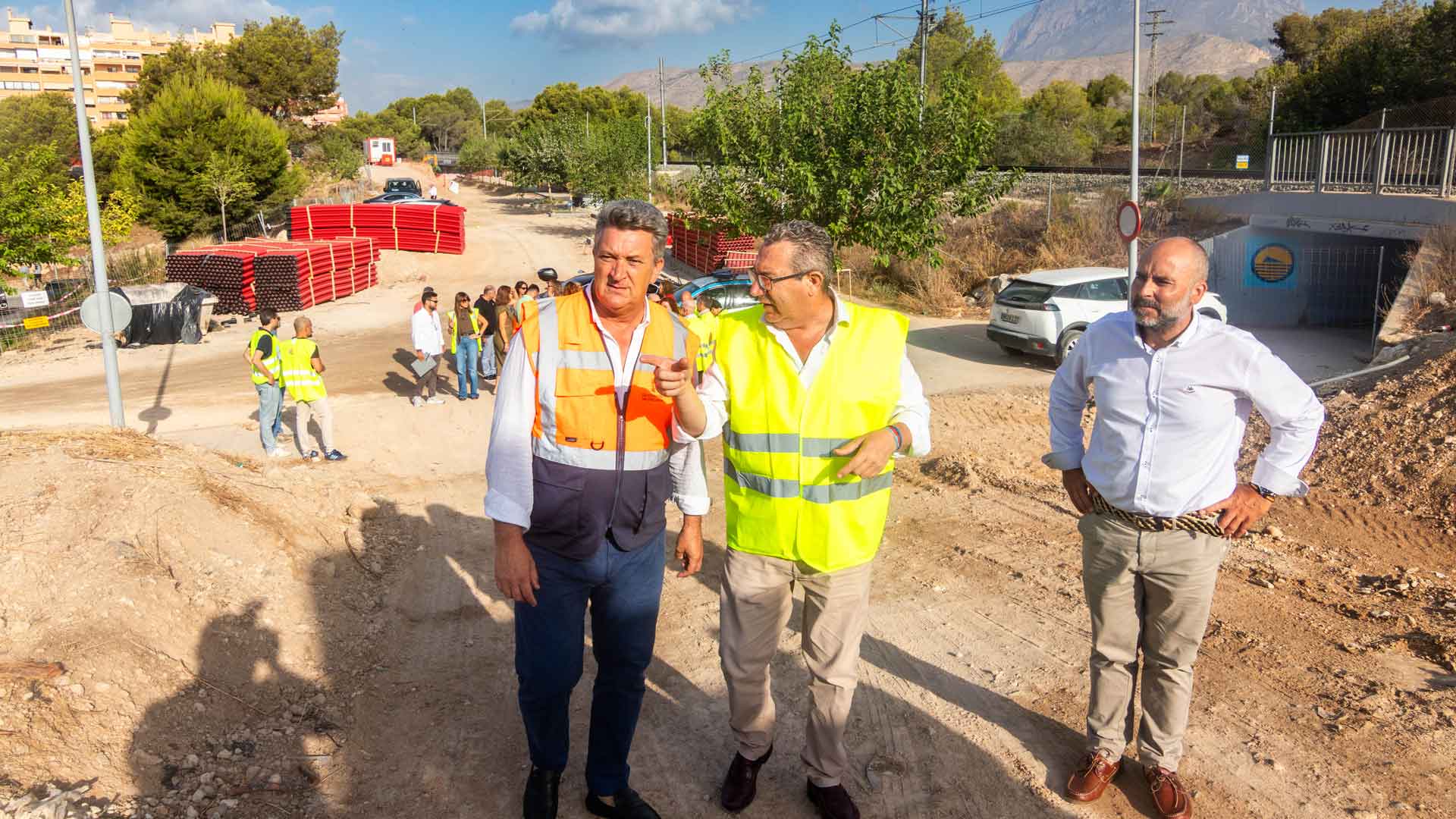
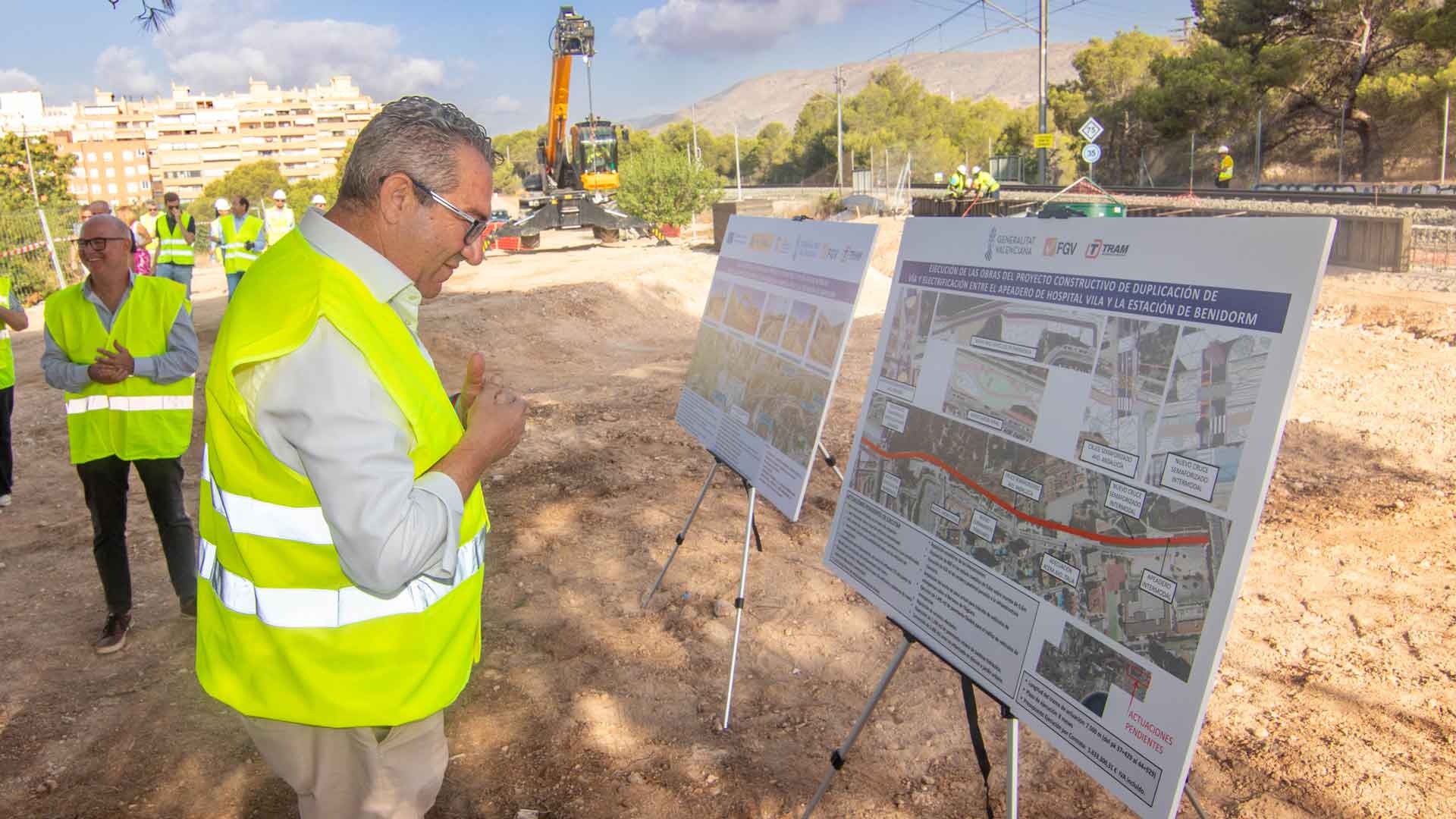
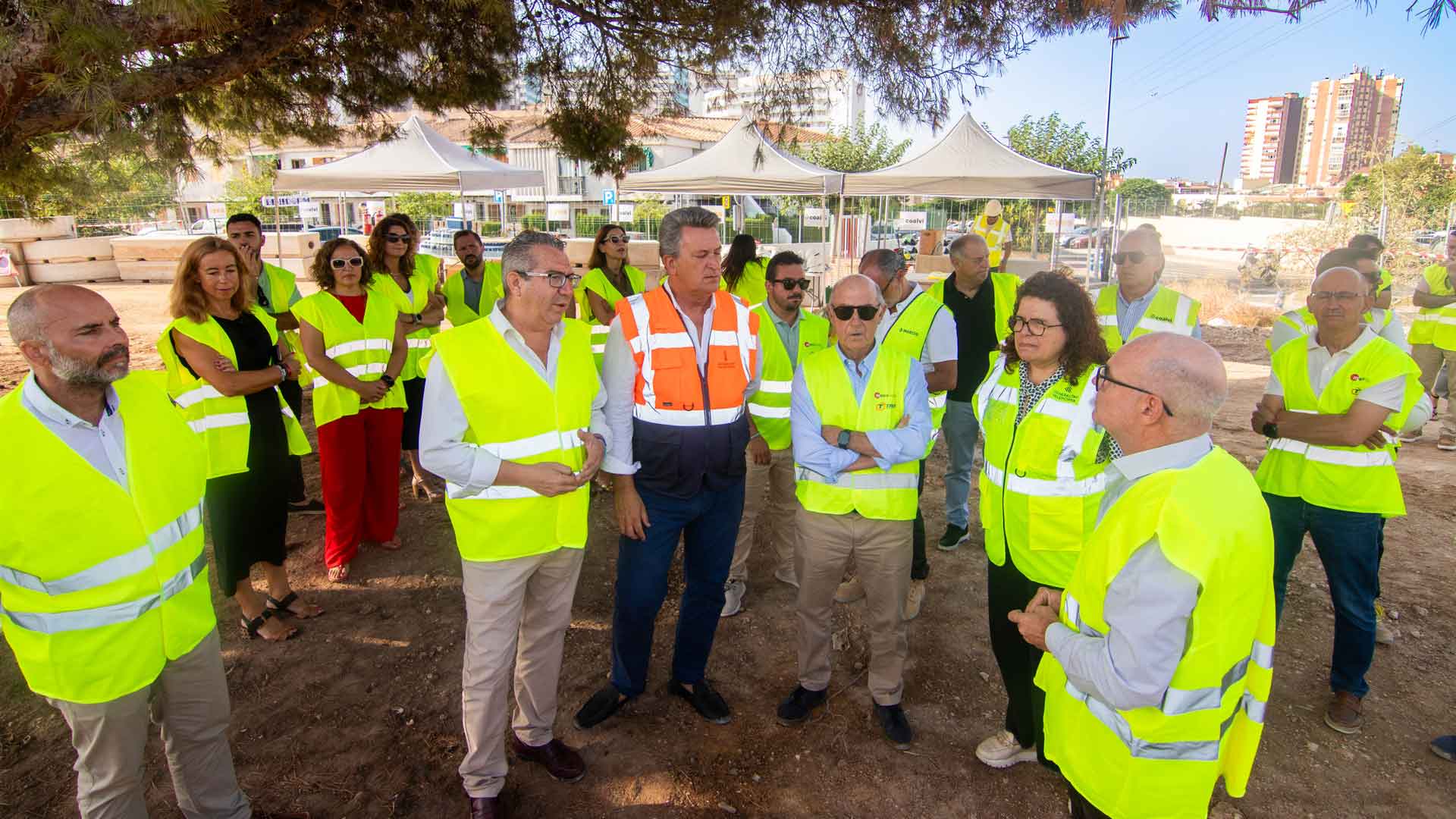
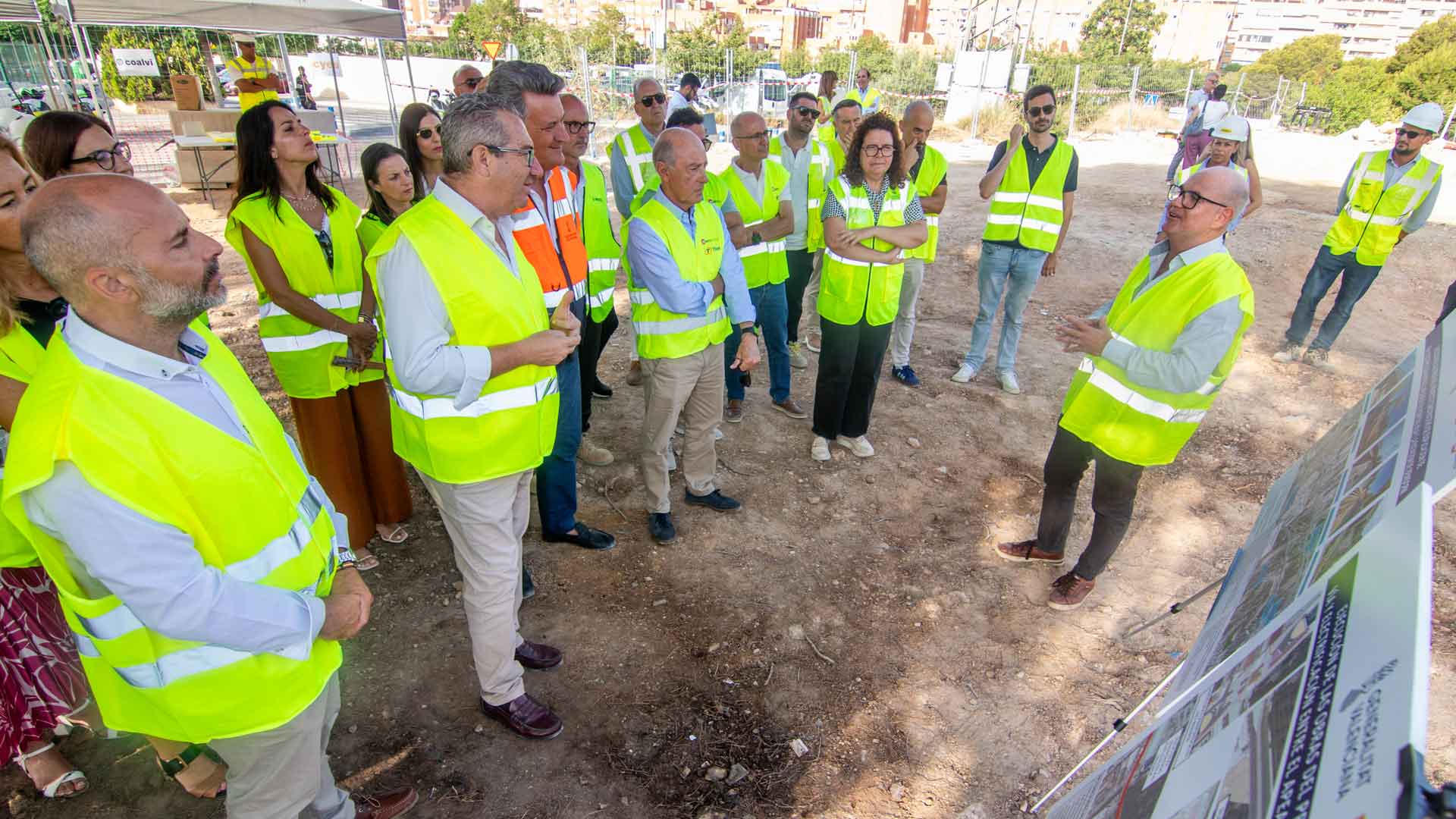
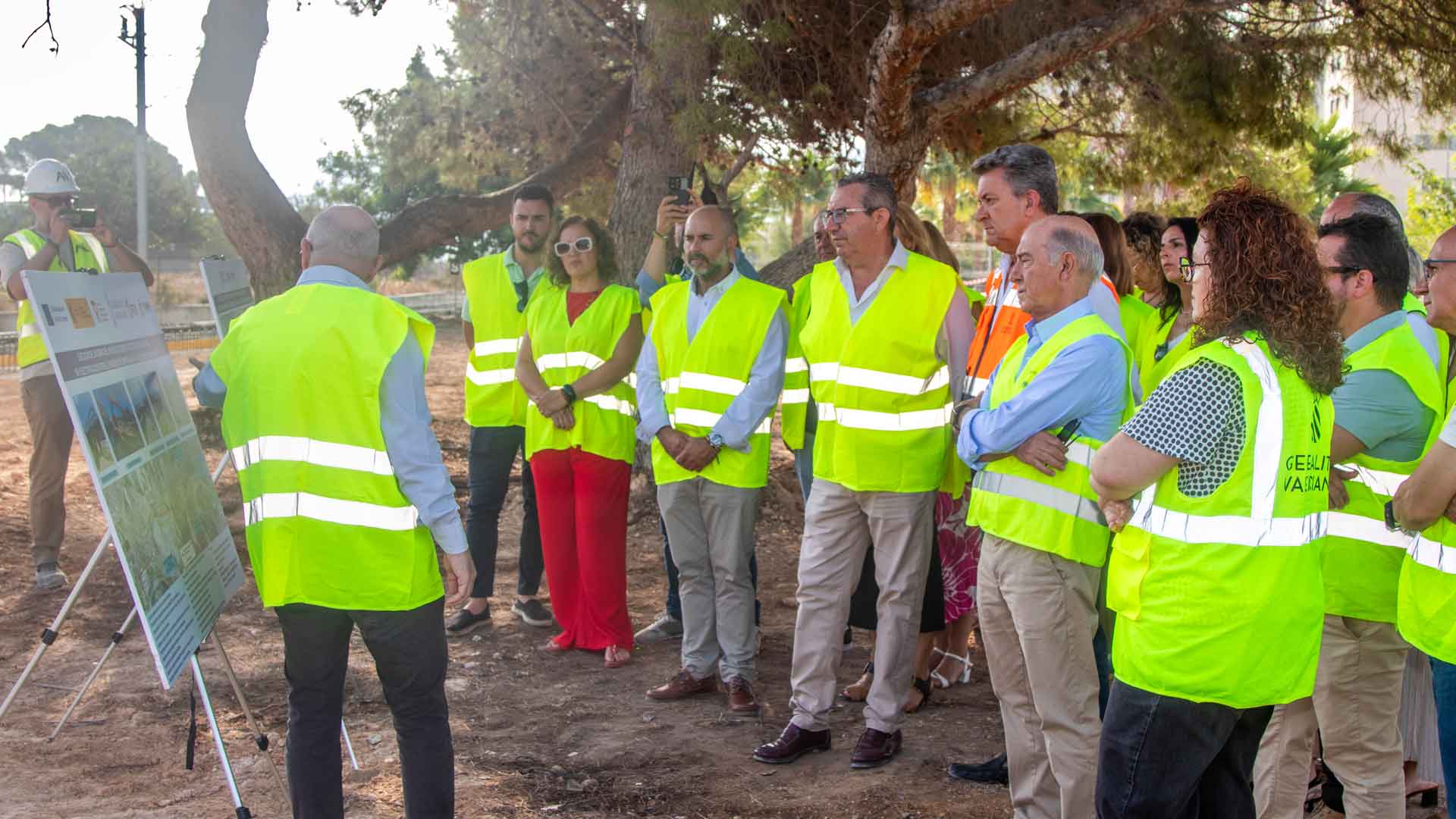
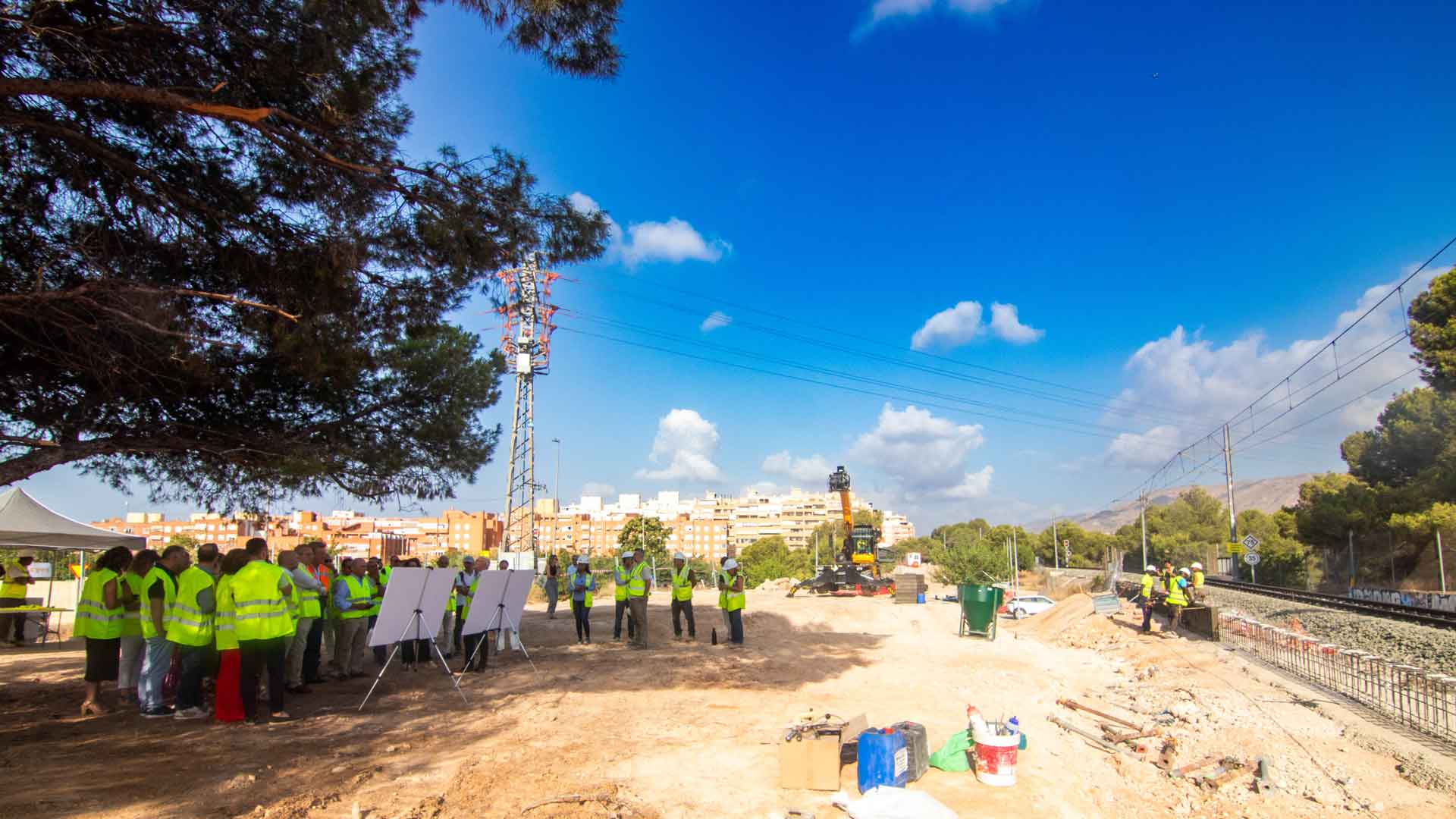
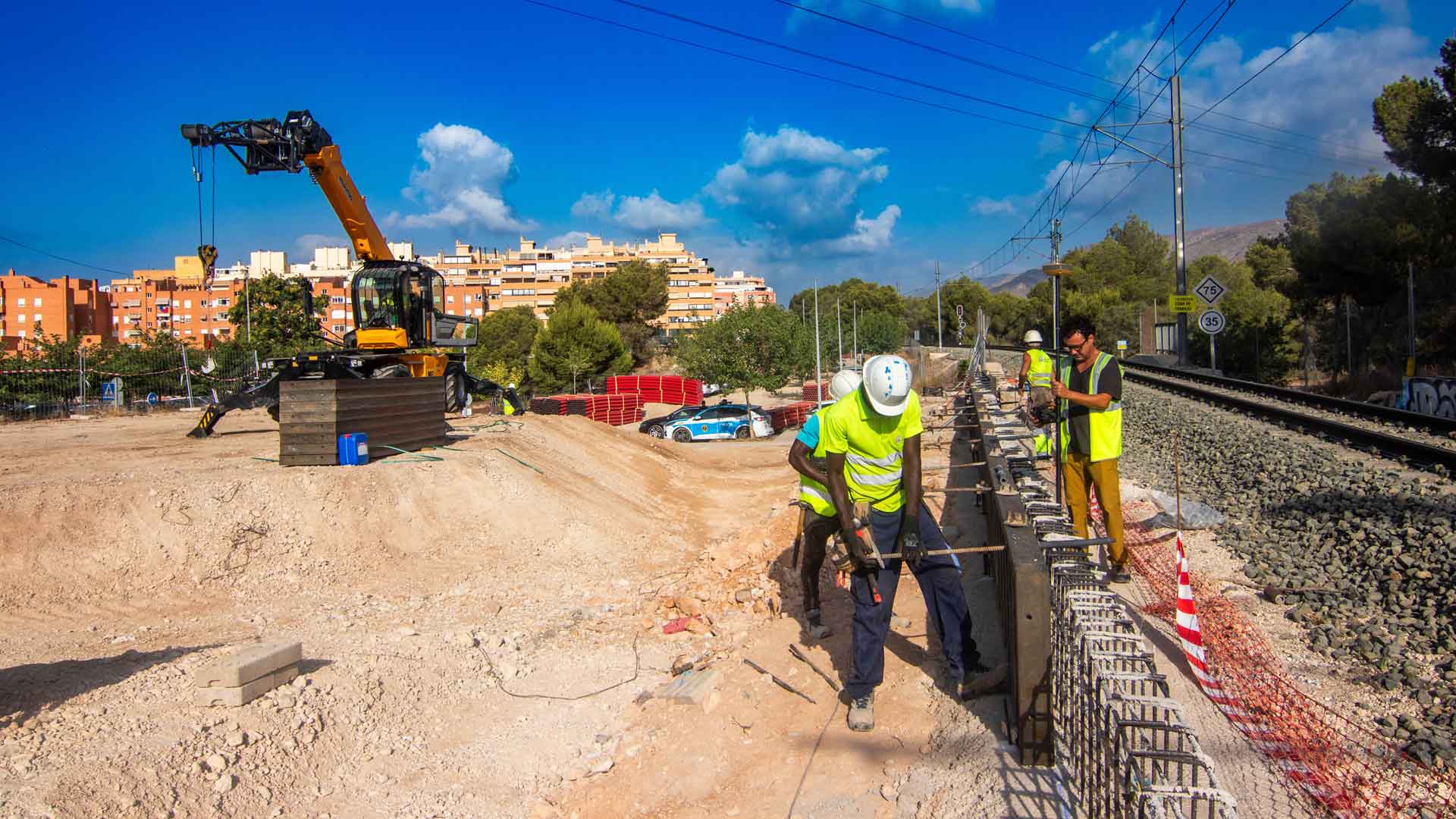
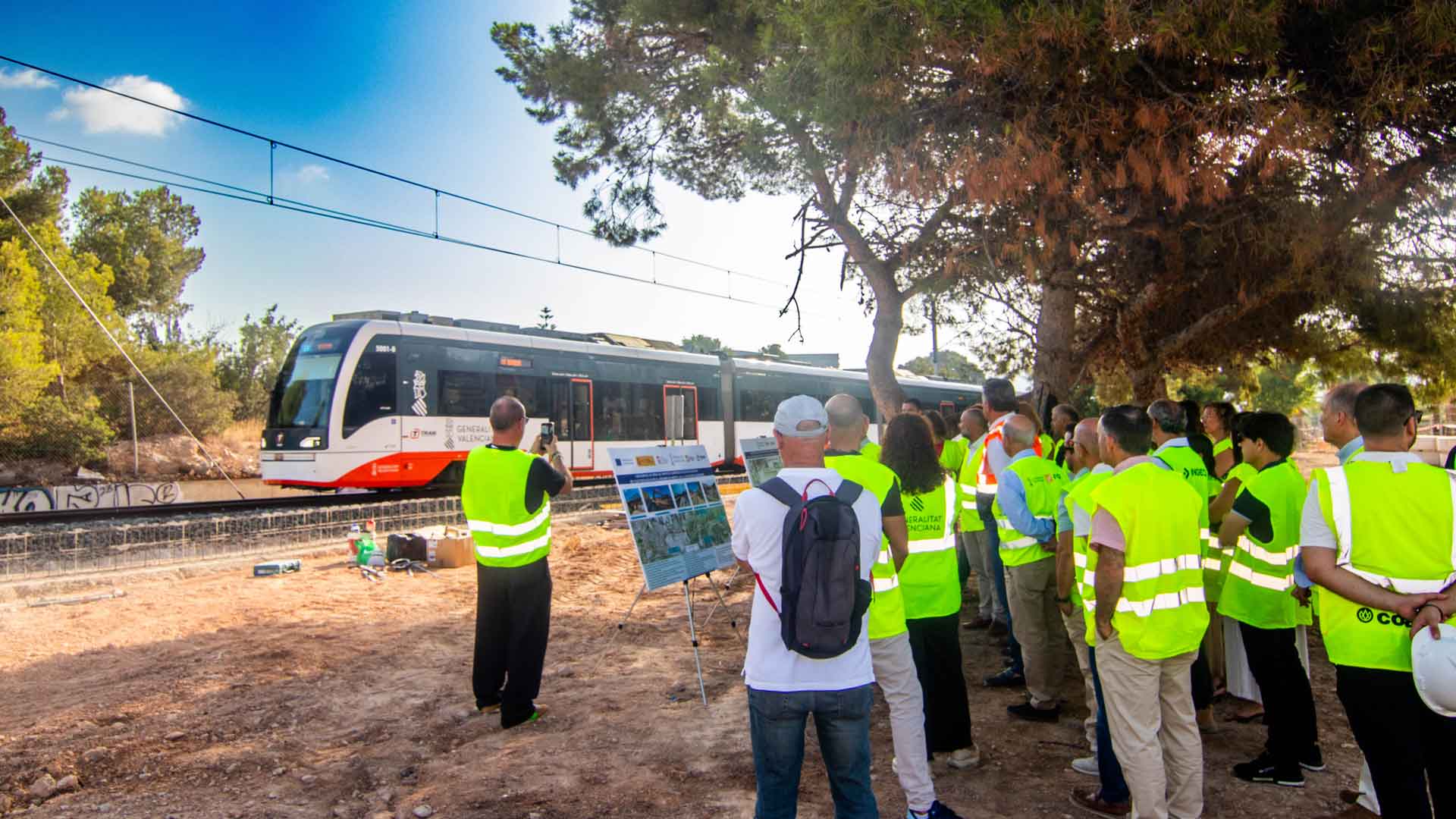
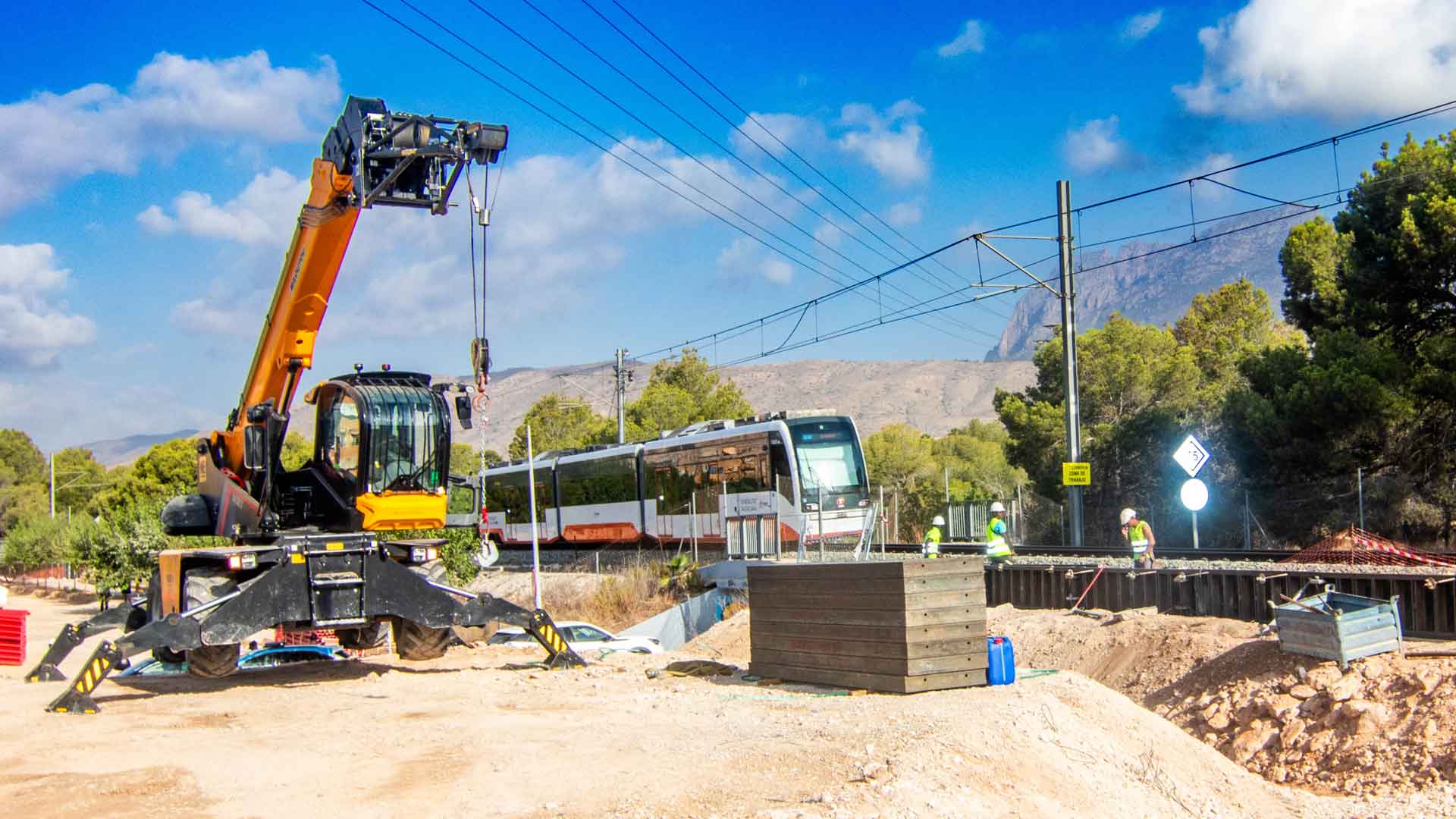
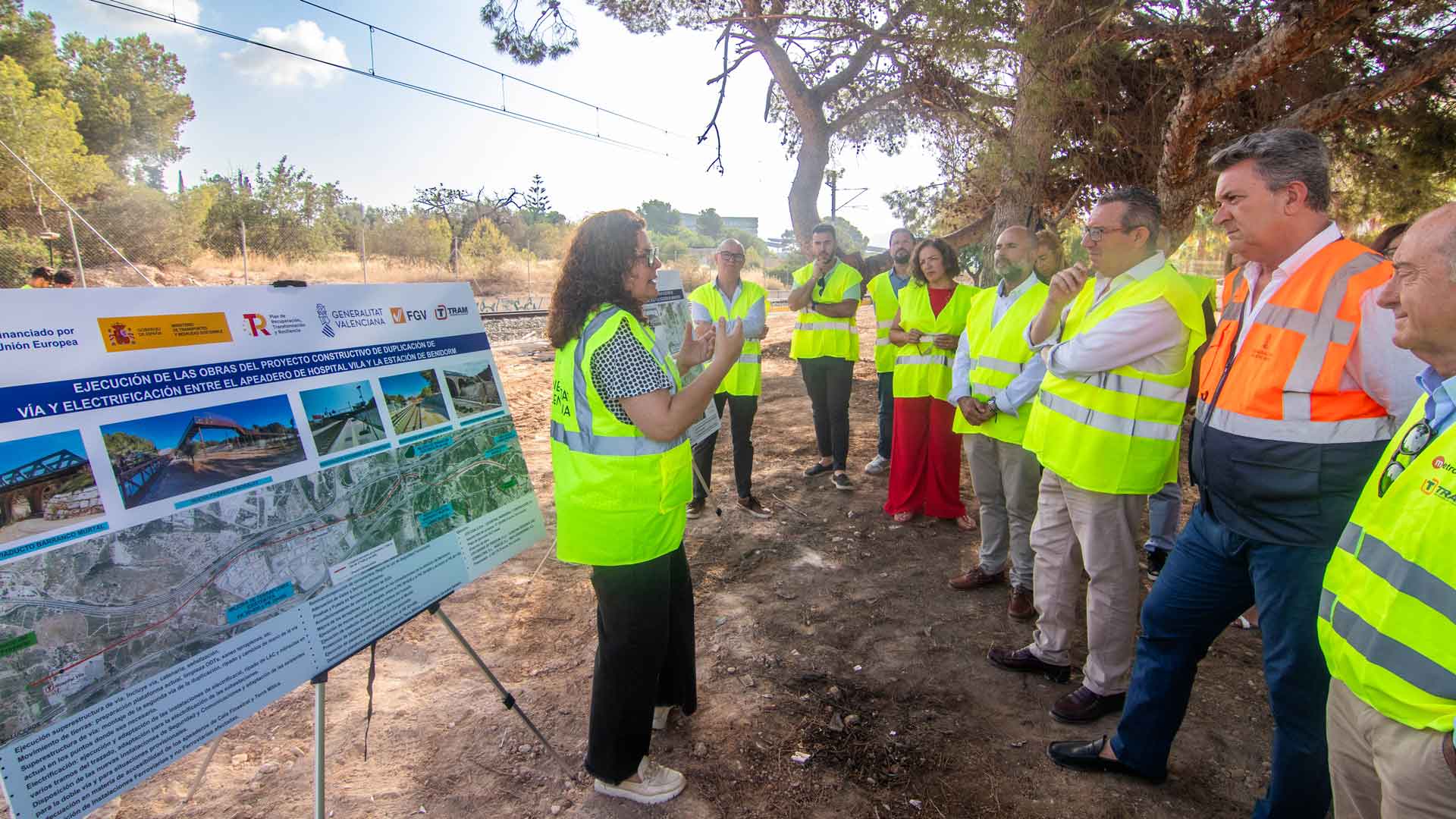
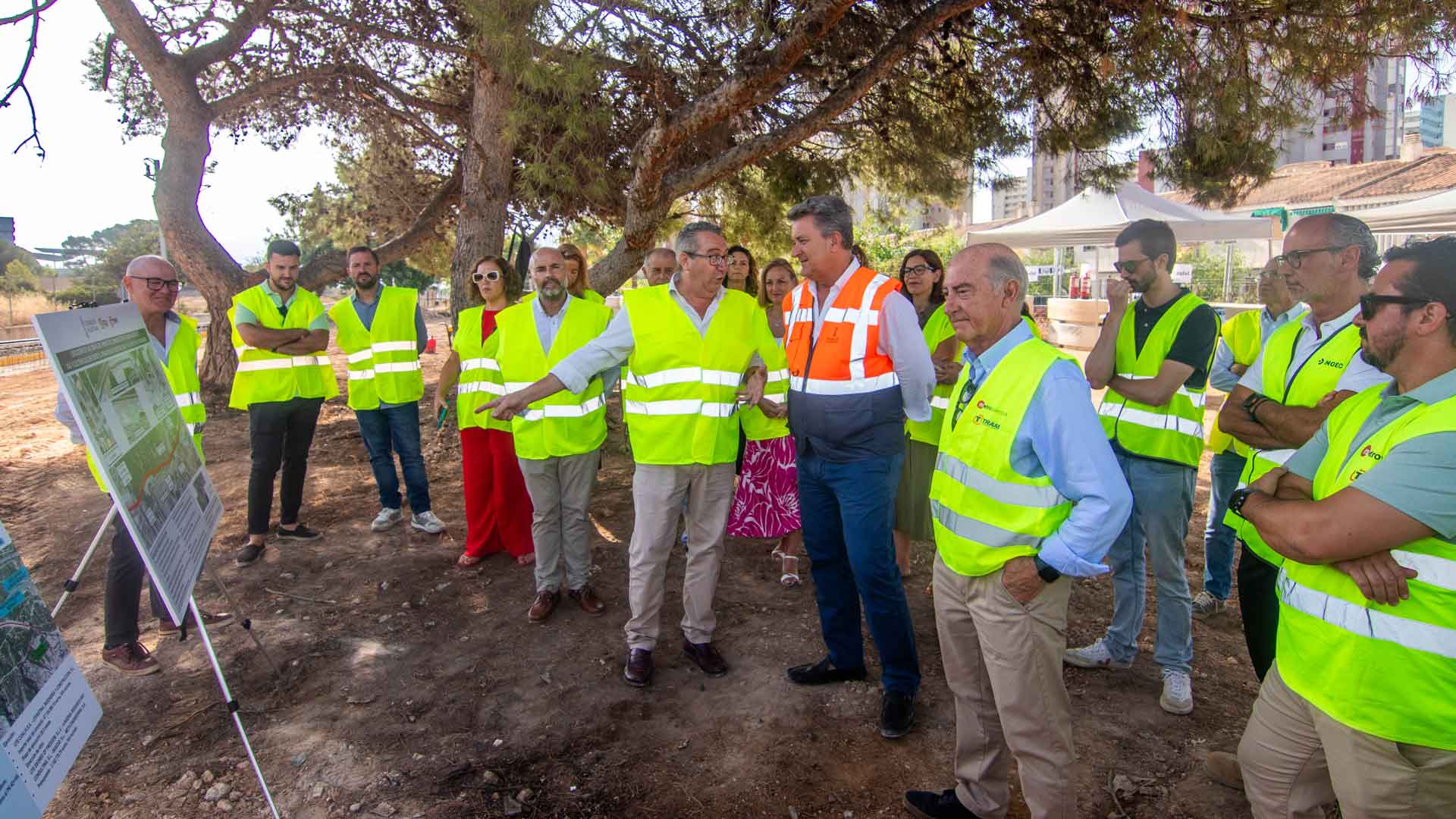
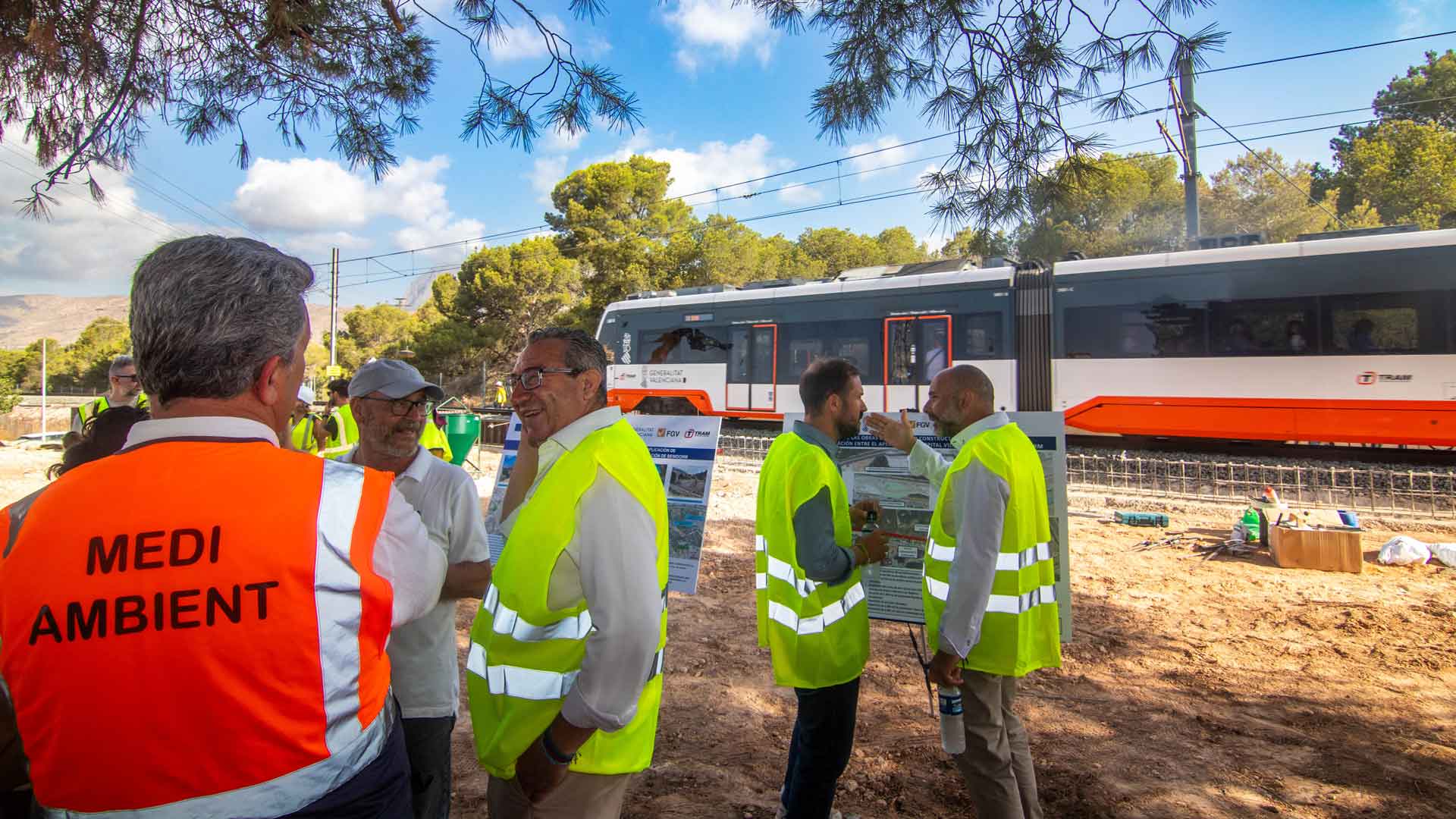
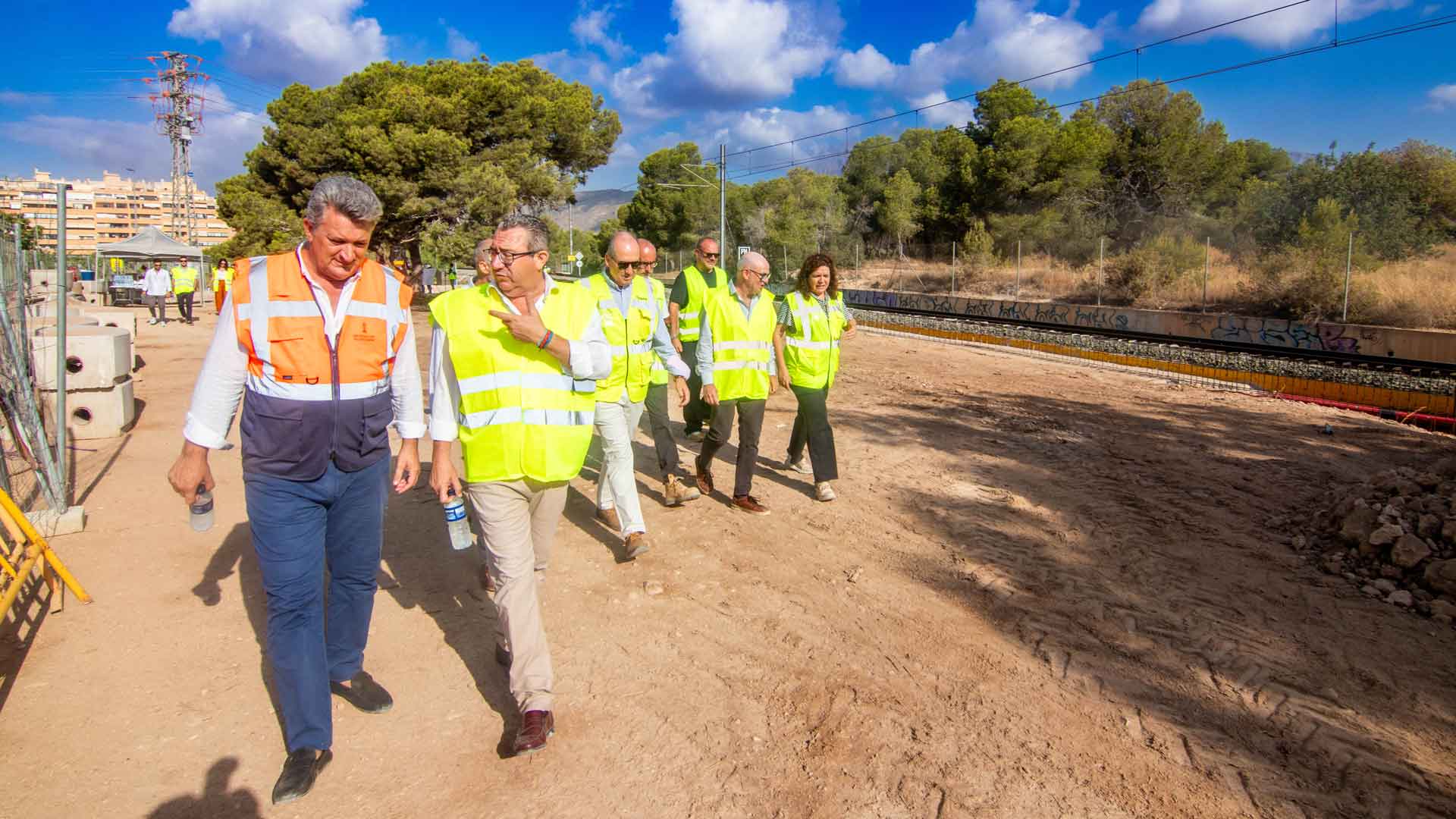
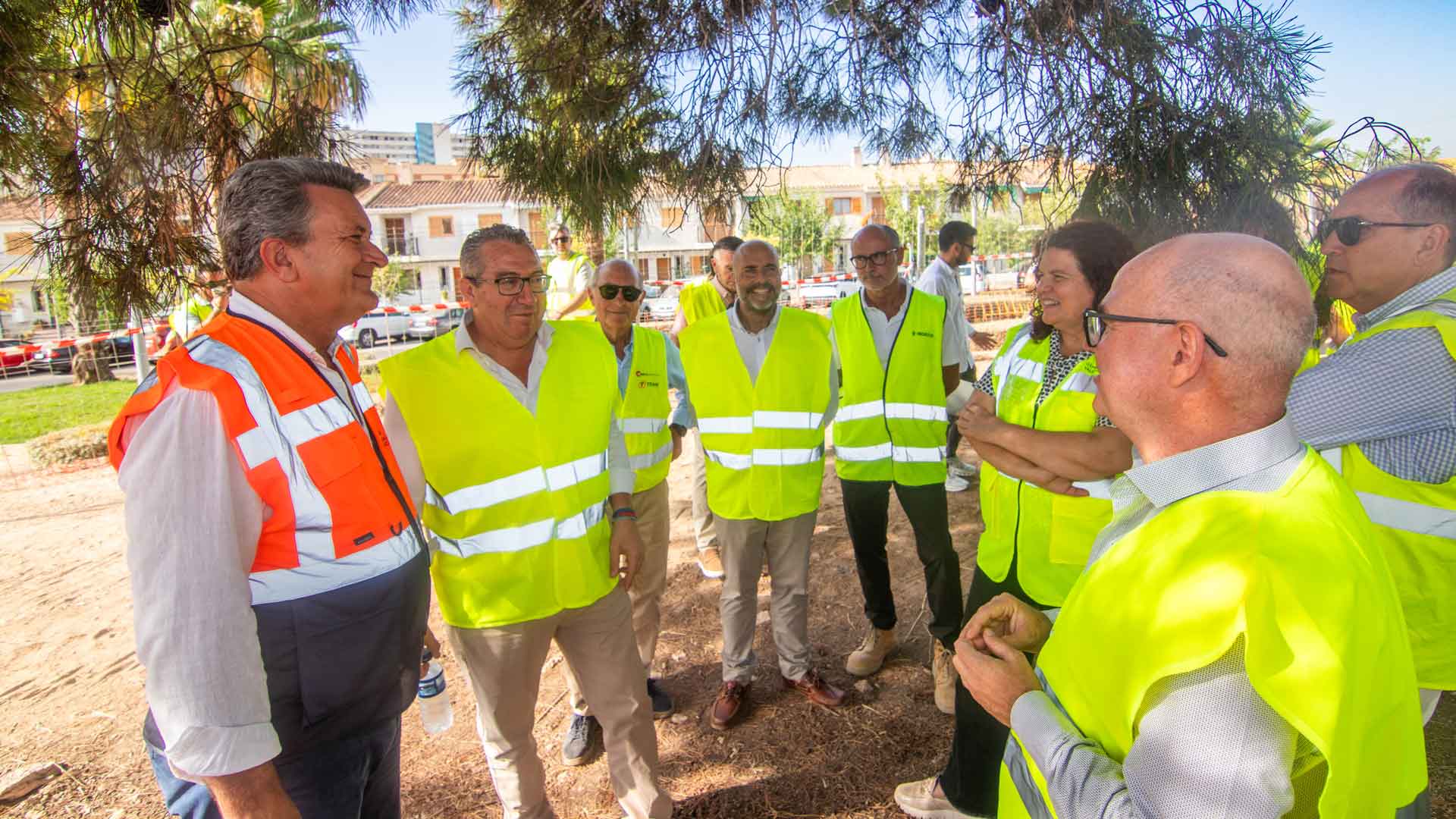
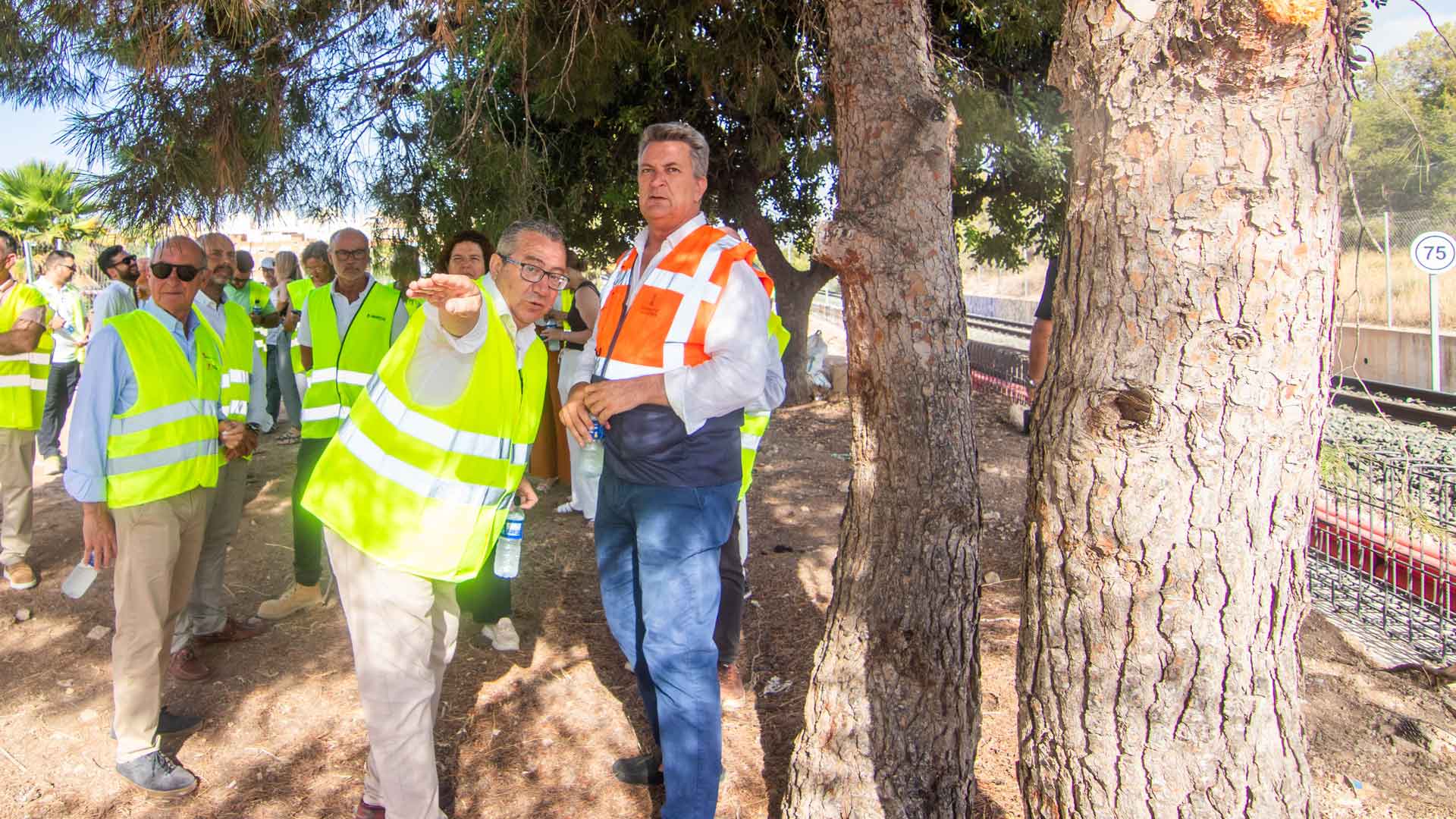
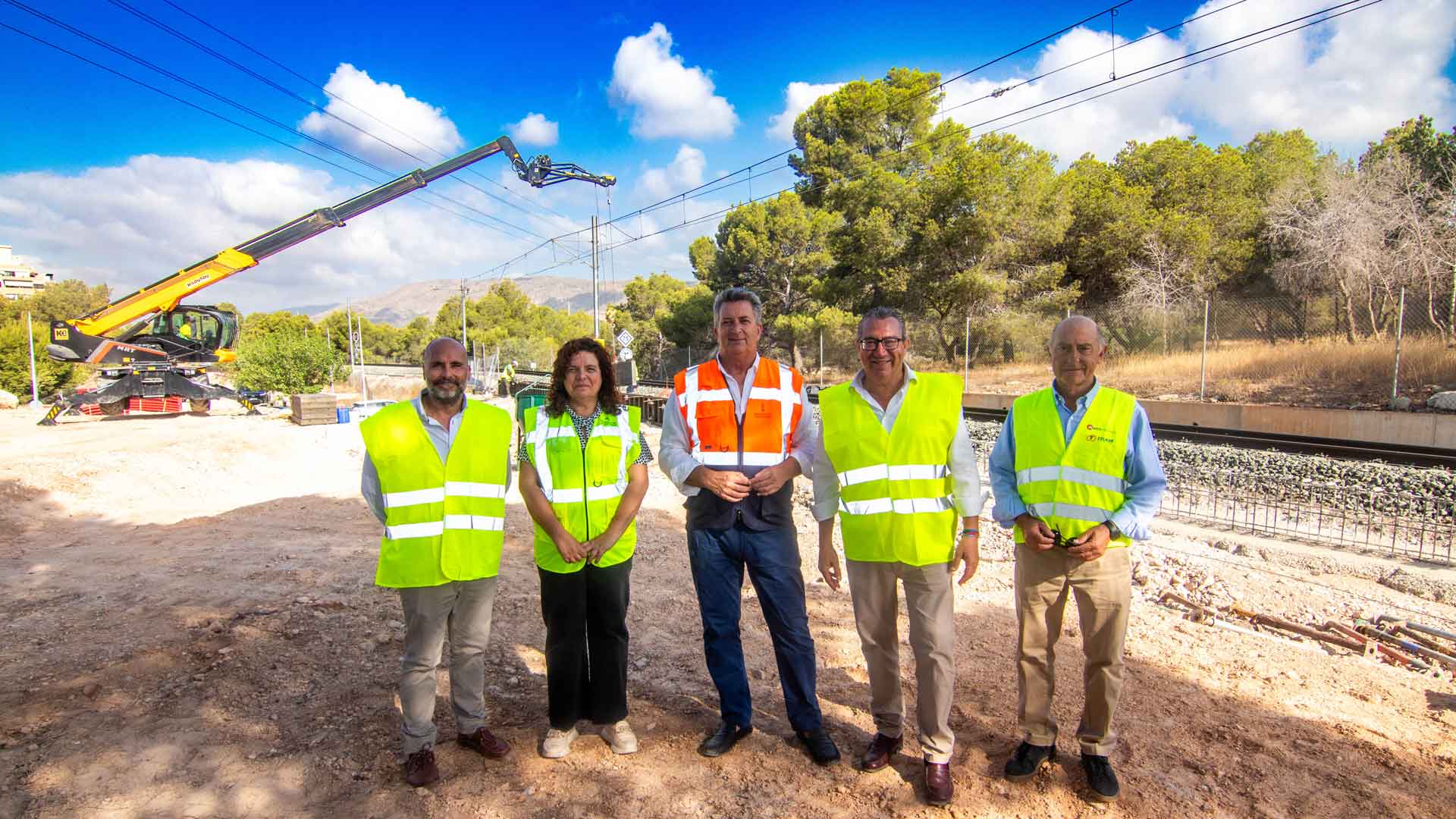
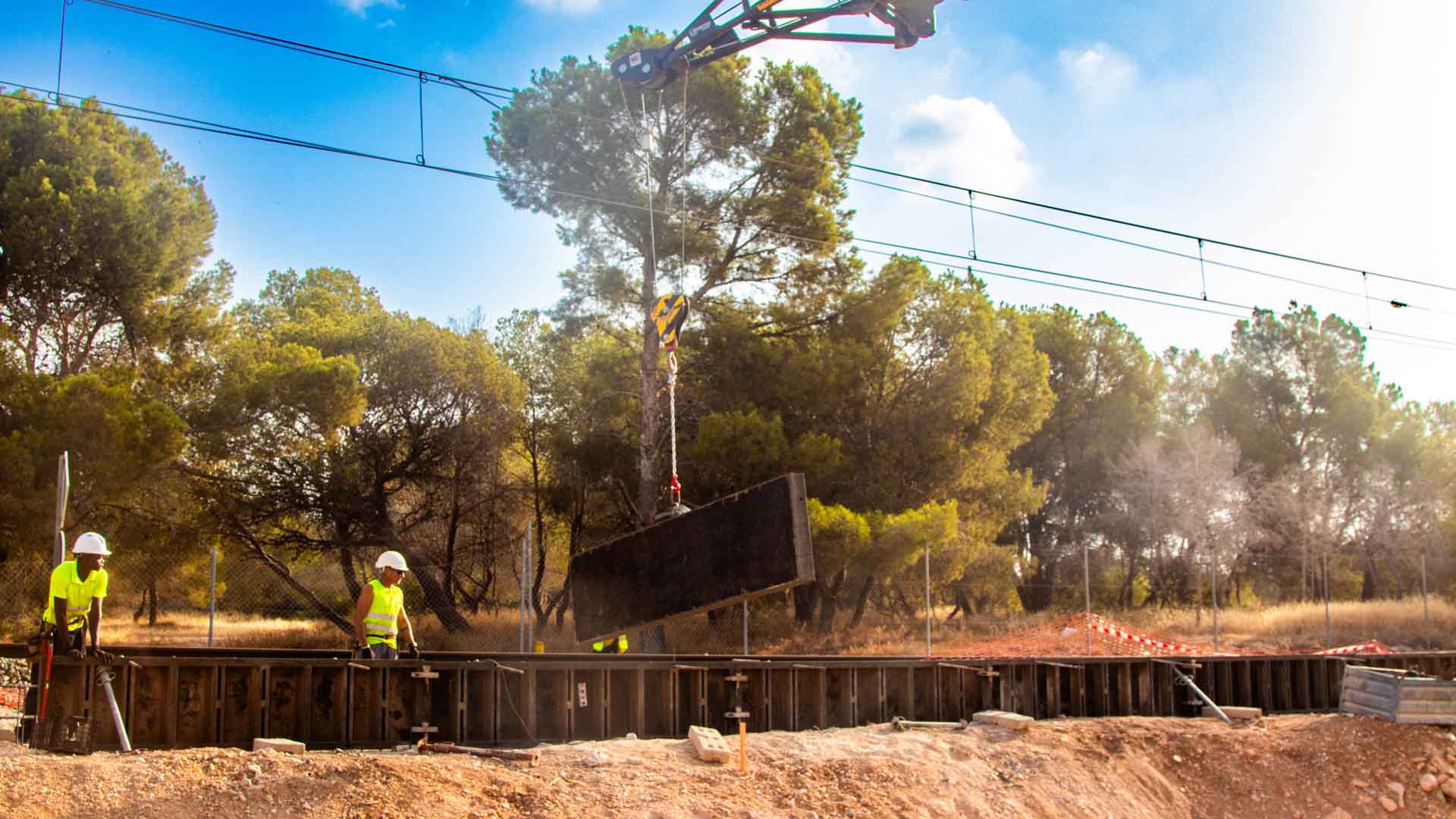
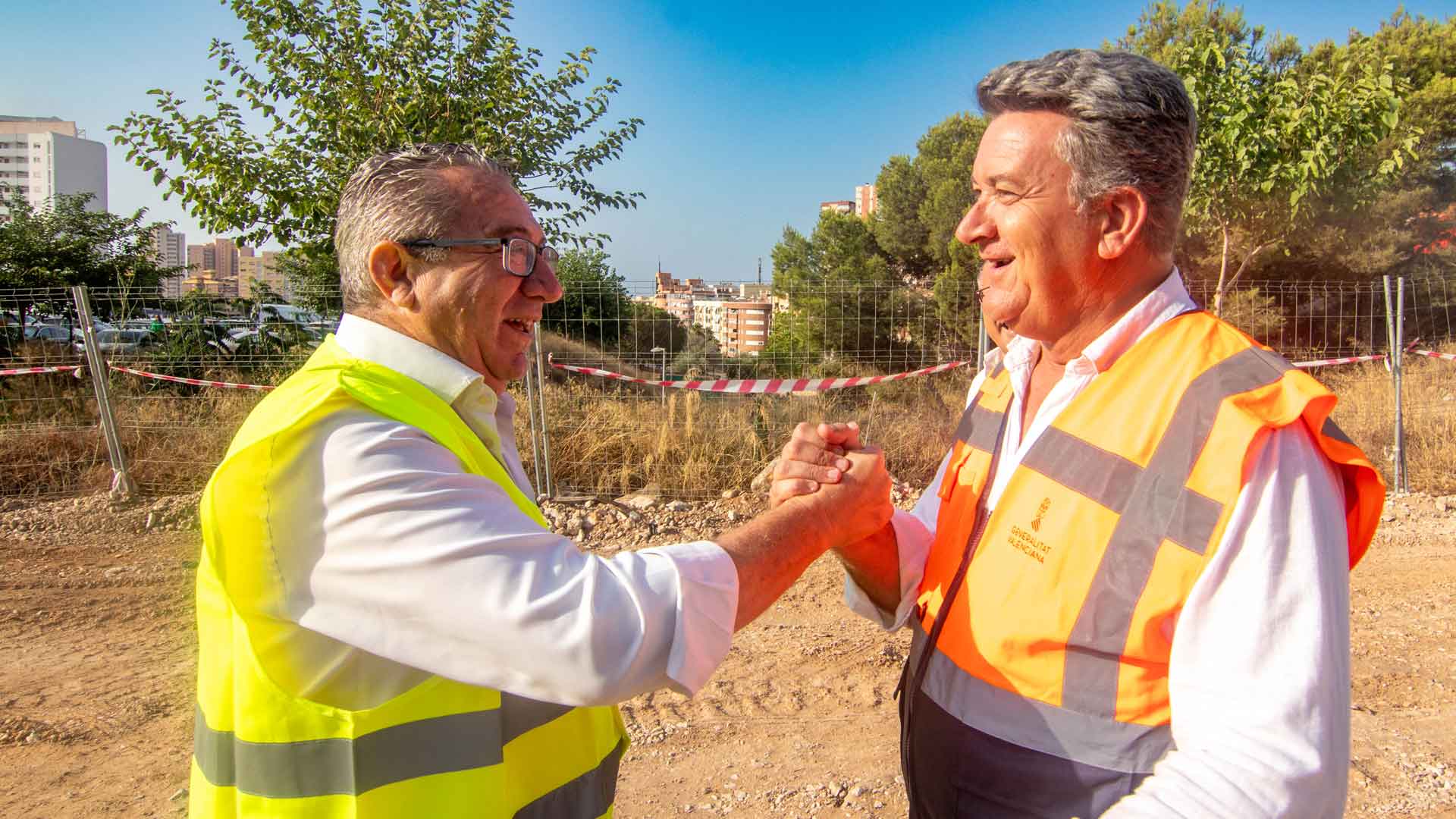
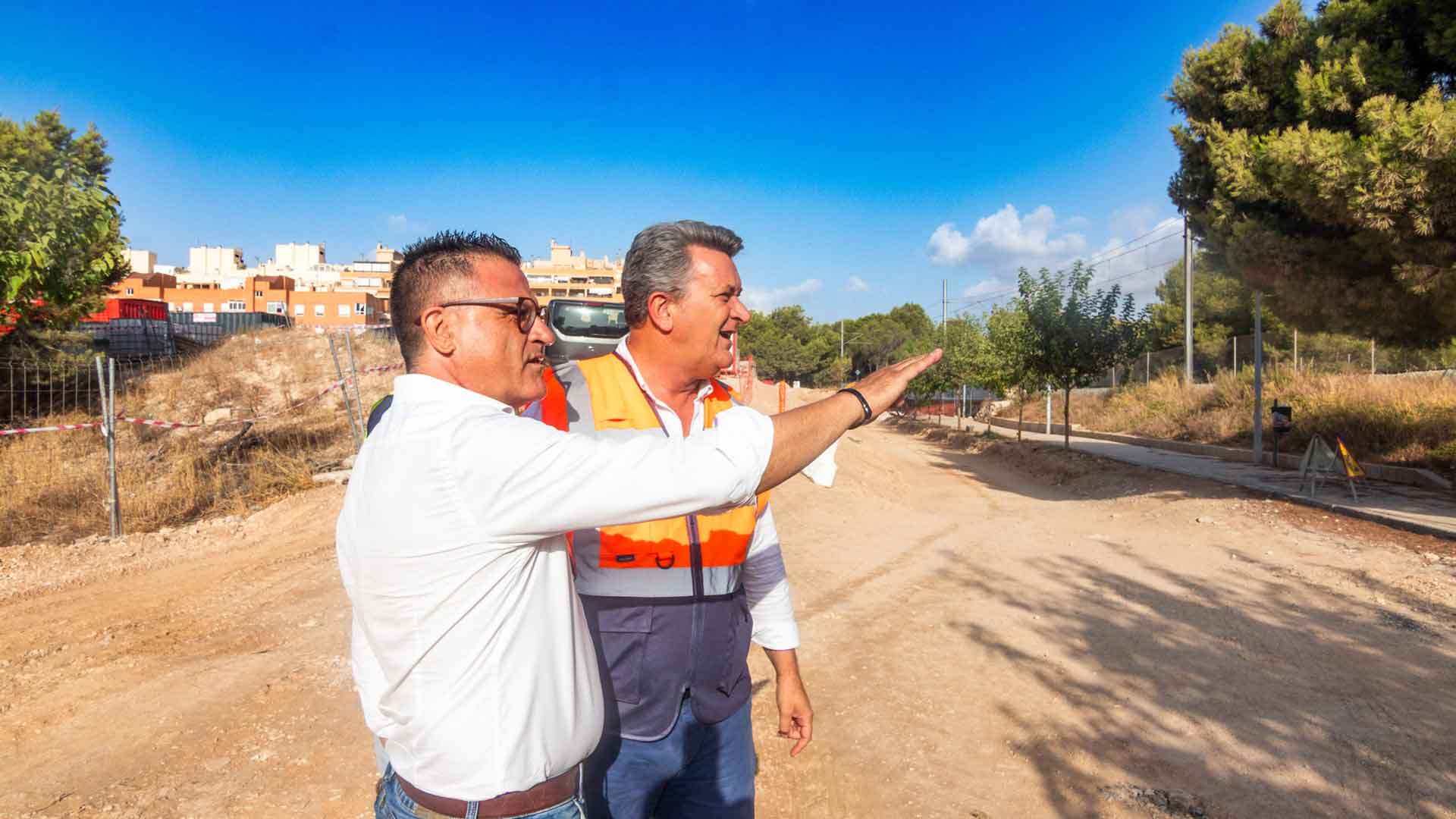
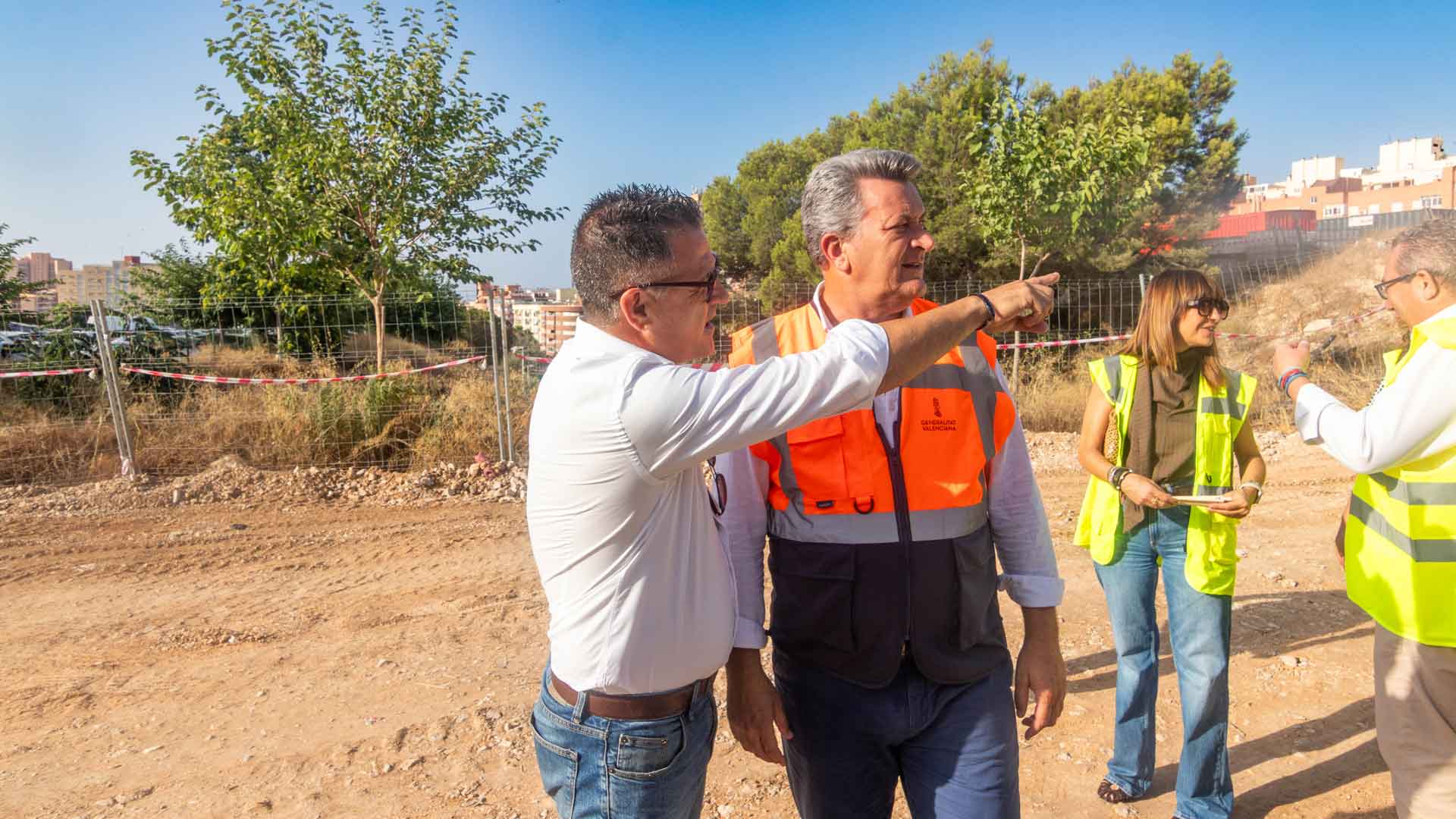
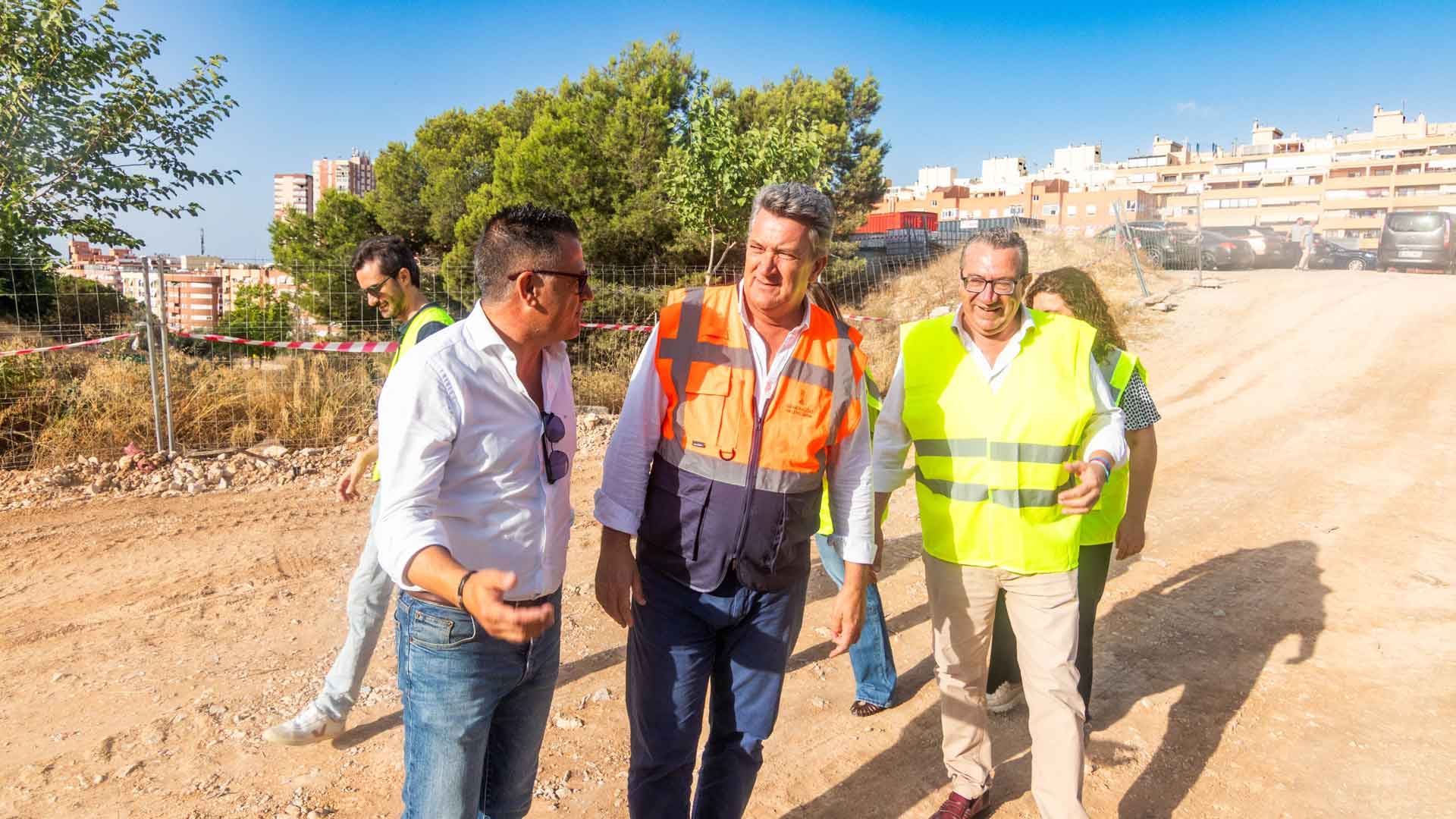
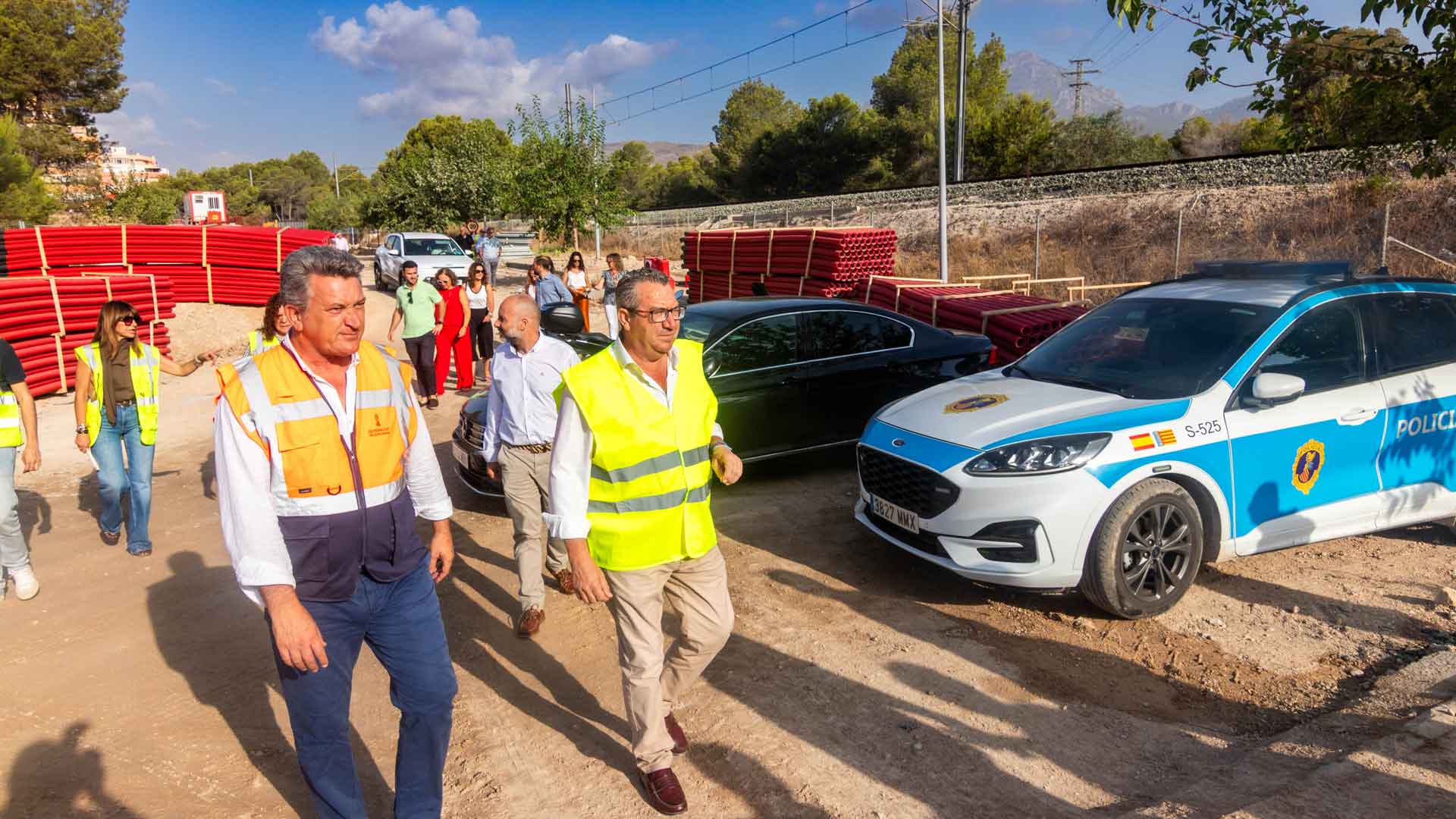
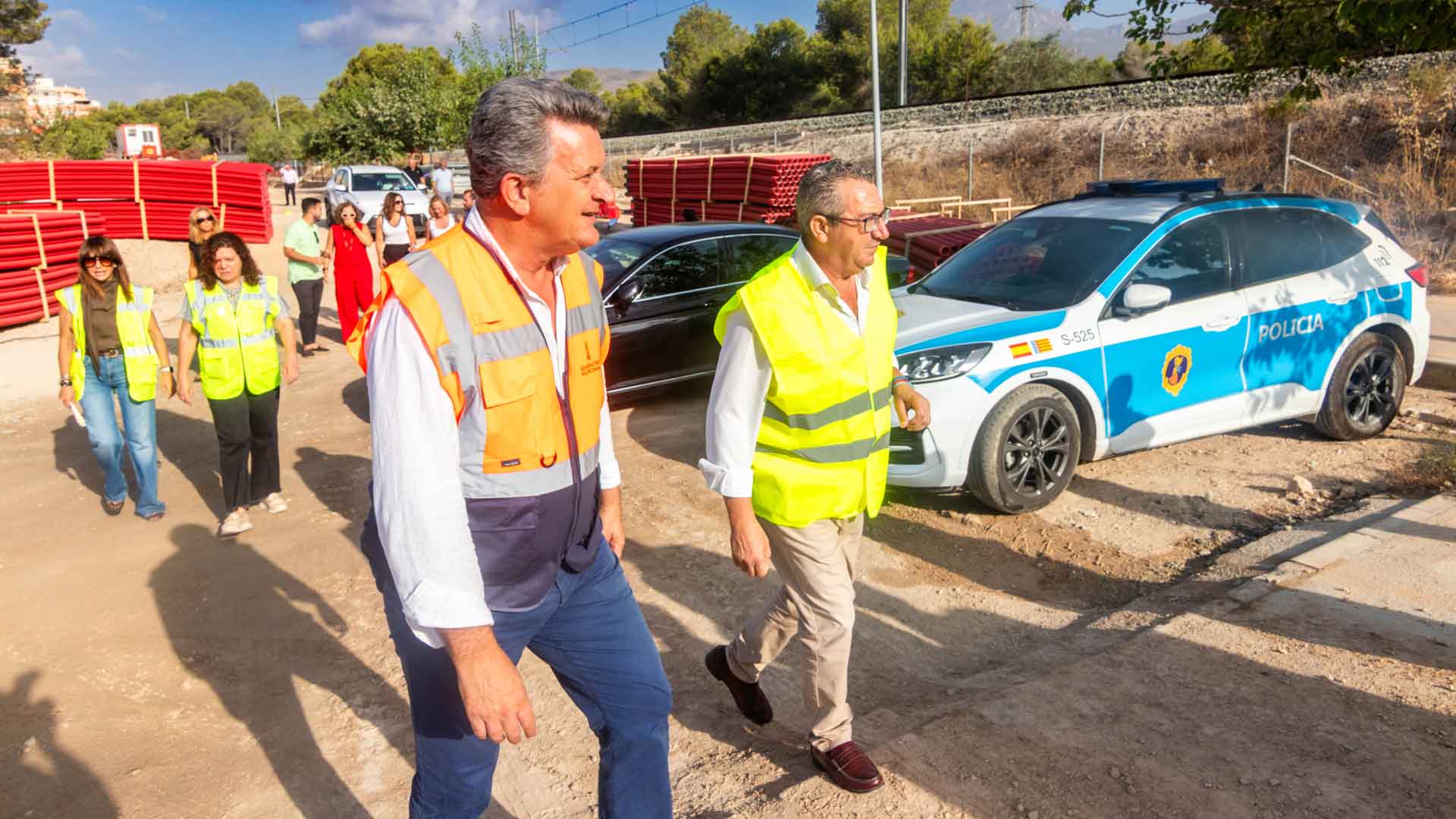
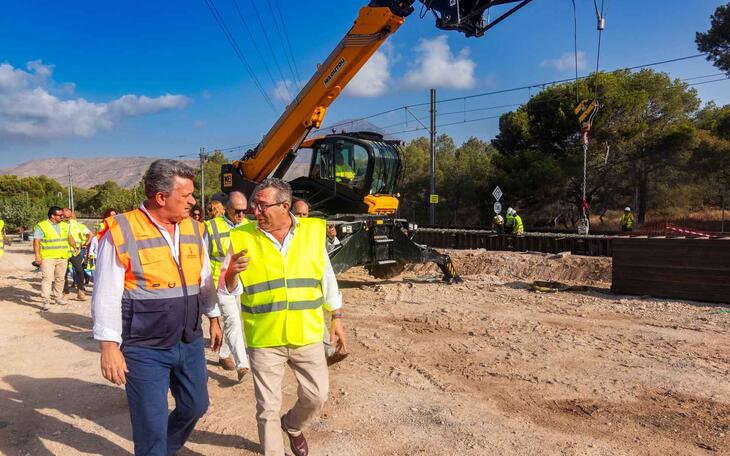
The works to double-track and electrify the TRAM line between the La Vila Joiosa Hospital halt and Benidorm Station will include three new signalised crossings designed to improve the railway’s integration into the urban environment. Construction on the urban integration project began last June. This morning, Benidorm Mayor Toni Pérez and the Regional Minister for Environment, Infrastructure, Territory and Recovery, Vicente Martínez Mus, who also serves as Third Vice-President of the Valencian Regional Government, visited the place. They were accompanied by members of Benidorm City Council and the project’s technical team.
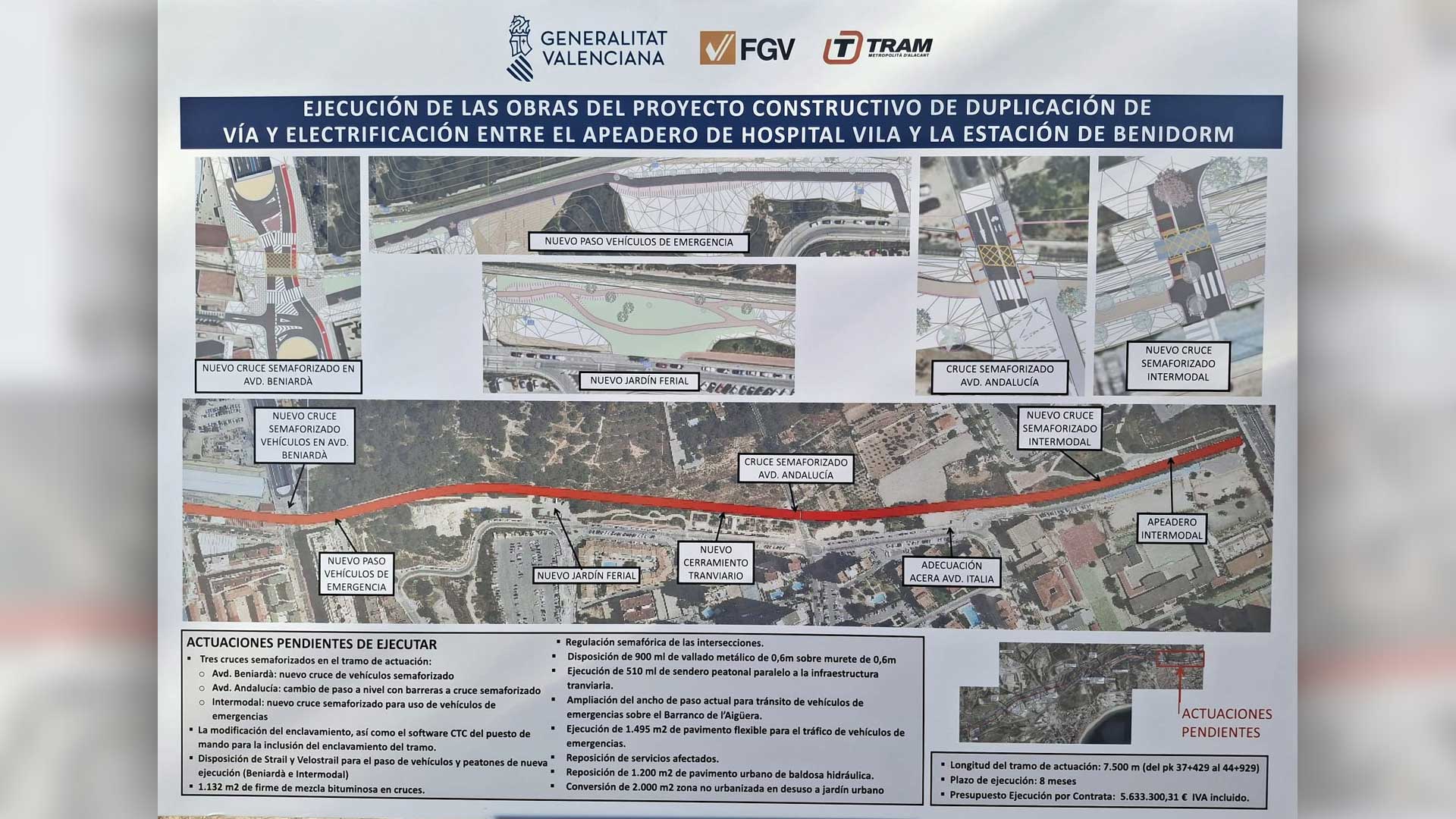
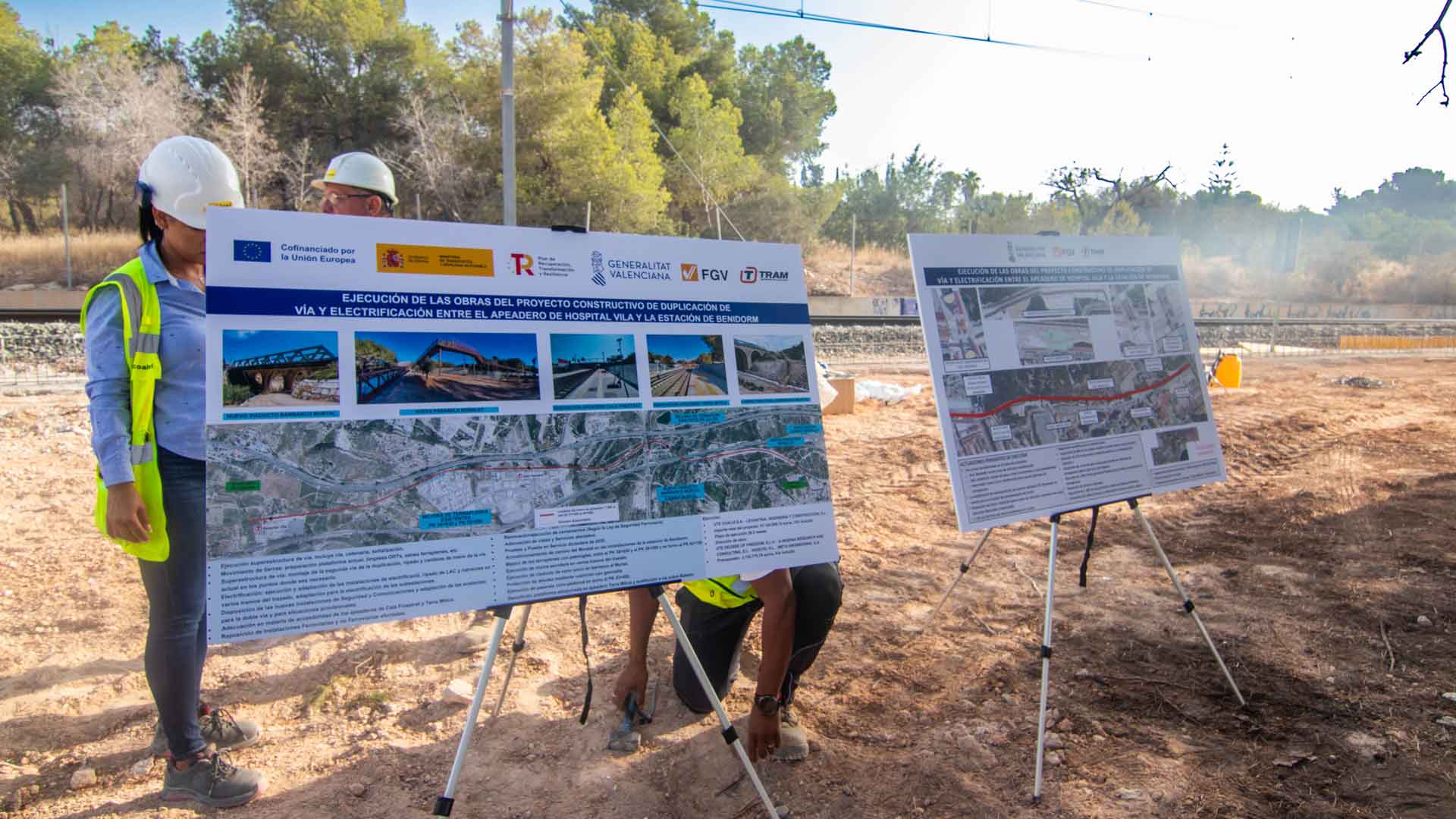
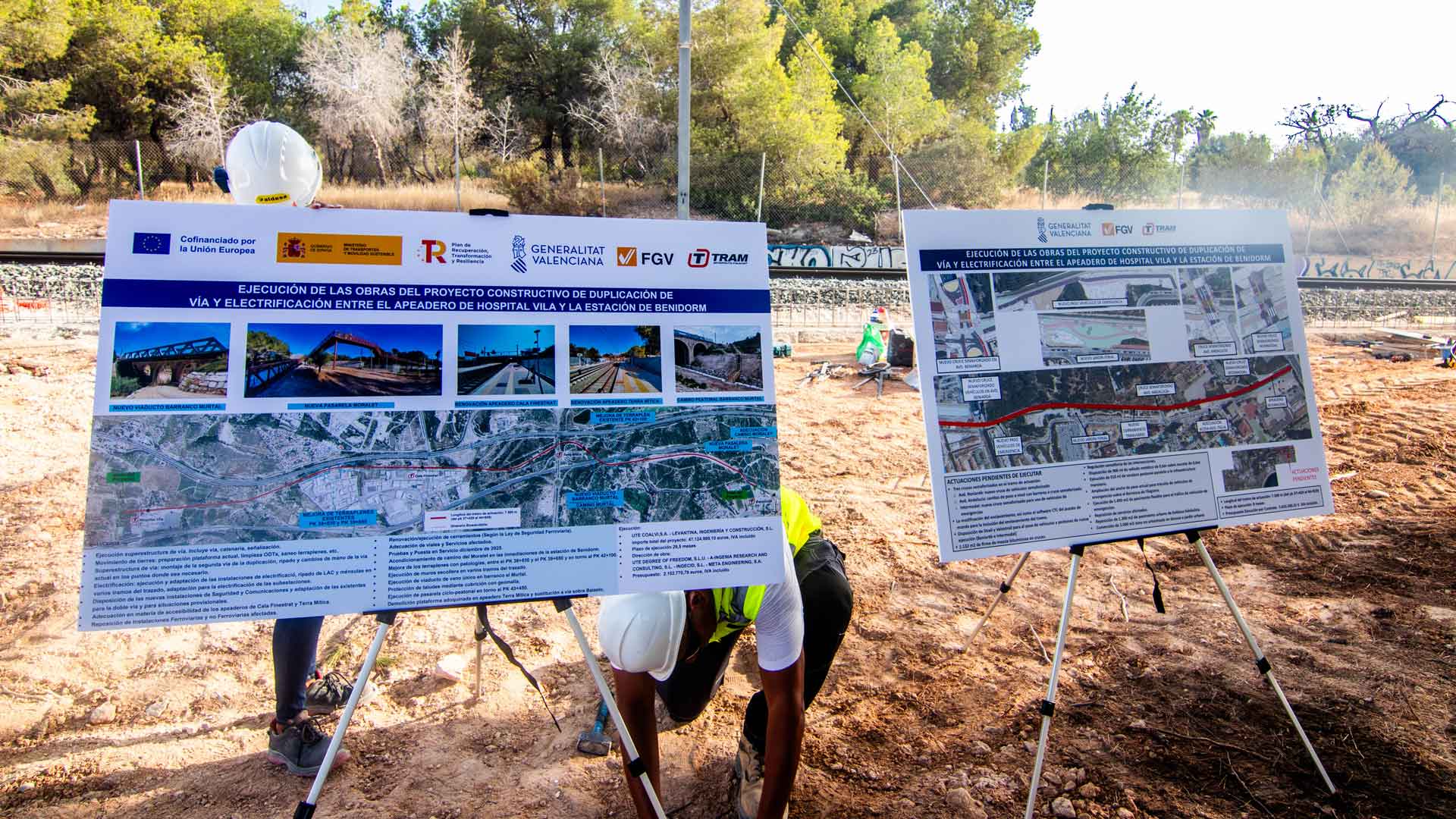
According to those overseeing the project, the works have an eight-month completion schedule and are expected to be finished at the beginning of next year. The project has a budget of €5,633,300.31 and covers a 7.5-kilometre section of the line.
The three new signalised crossings will be located at Beniardá Avenue, where a crossing for both vehicles and pedestrians will be created; Andalucía Avenue, where the existing level crossing with barriers will be removed; and the intermodal station, where a controlled crossing with traffic lights will be reserved primarily for emergency vehicles and public transport, with restricted access.
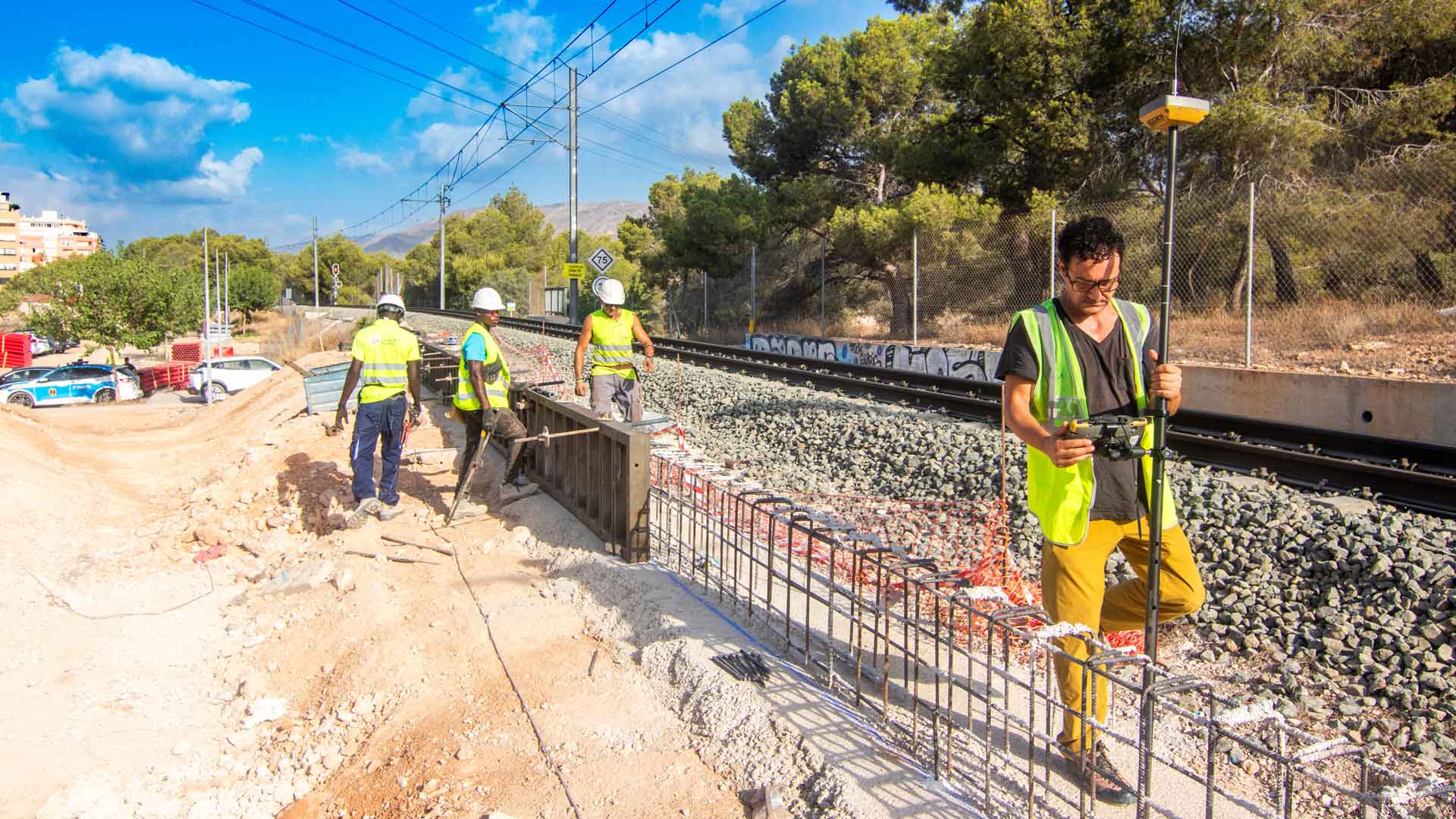
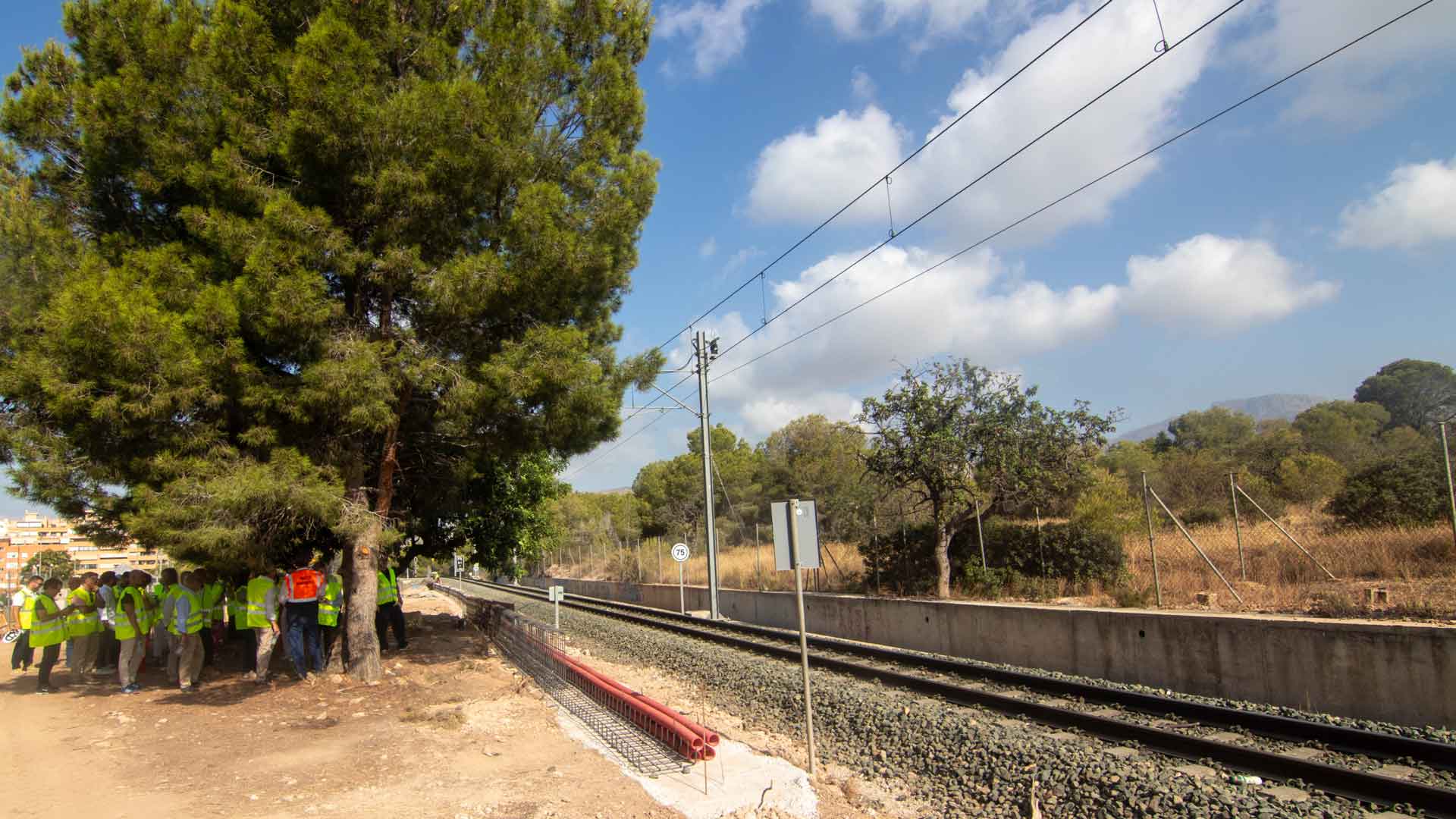
The project also includes fencing the railway line and the redevelopment of adjacent pavements that will improve both safety and the railway’s integration into the surrounding urban area.
As a result of the new access point and the planned road over l’Aigüera ravine, a fast access corridor running parallel to the railway will be created for the priority use of emergency vehicles. The connection with the existing emergency access roads will also significantly improve operational links to the El Moralet area. In addition, new fencing will enhance visibility and safety along the route, while around 2,000 square metres of new landscaped green areas will be created together with a pedestrian path extending the existing urban park.
The Regional Minister stated that, once completed, the works “will improve urban permeability and enhance the integration of the railway infrastructure into the city’s urban environment.” Martínez Mus also highlighted that the project “will introduce new signal-controlled crossings and adapt several crossing points to improve both pedestrian mobility and vehicle traffic, particularly for emergency services operating around the TRAM corridor.” He added that the project “marks further progress in the modernisation of the network as part of FGV’s 2026–2030 Action Plan.”
For his part, Mayor Toni Pérez recalled that “Benidorm has been calling for this project since 2017, and it has been made possible thanks to a political decision by the Valencian Regional Government.” He described the works as “essential”, noting that they “will safely connect two of the city’s largest residential areas—Foietes-Colonia Madrid and Els Tolls-Salt de l’Aigüa—through a bold change of model, transforming the corridor from a conventional railway into a tramway.”
The mayor also stressed that the project is being carried out “with minimal disruption” while gradually reshaping local mobility and improving access for emergency vehicles. “Ultimately, this is a bold and ambitious project involving significant investment, with the priority placed on guaranteeing the safety and mobility of residents in a particularly challenging area due to the presence of l’Aigüera ravine,” he concluded.