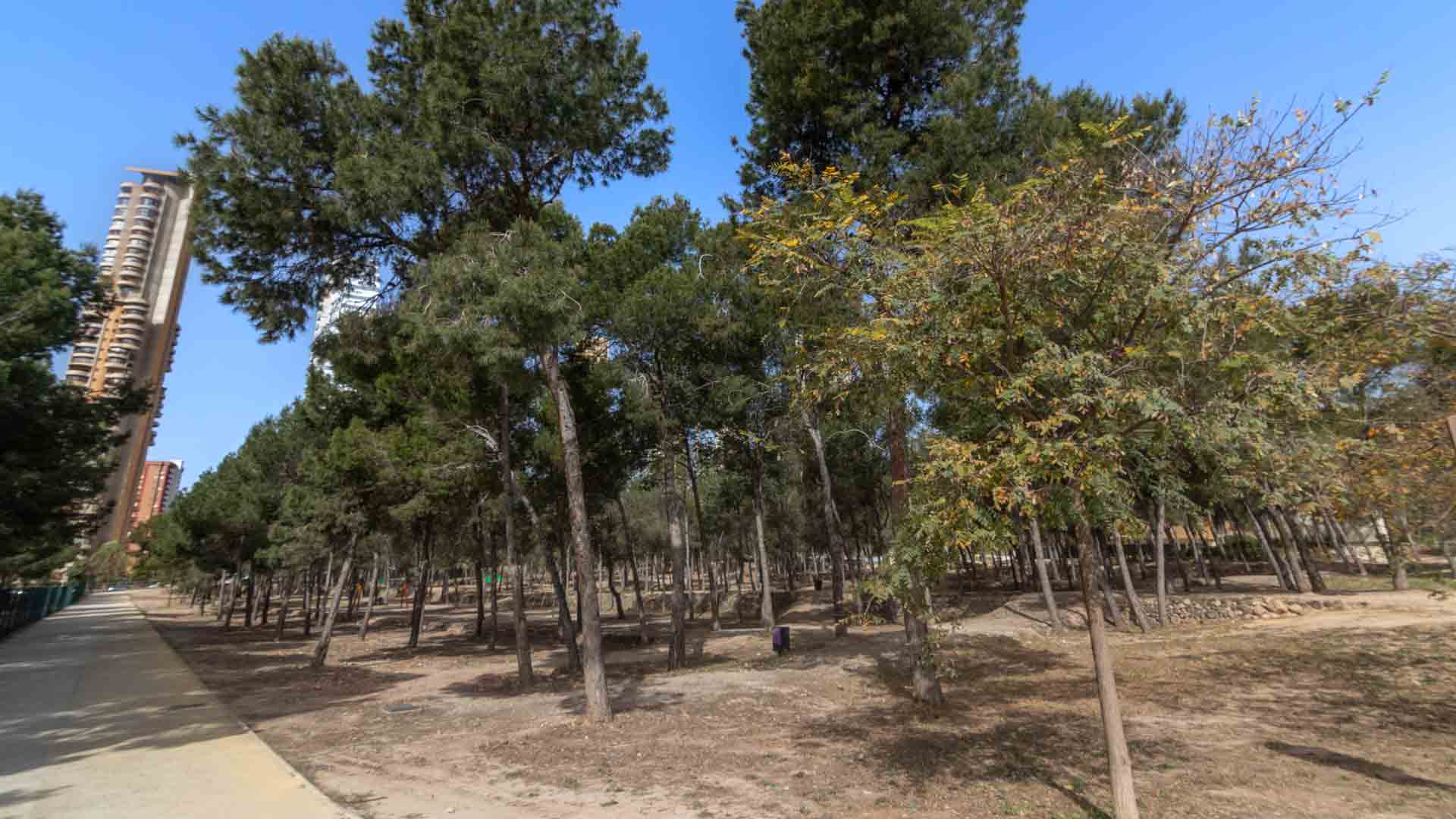
Séquia Mare hostel and campsite are entering their final construction phase with the perimeter fencing of these spaces
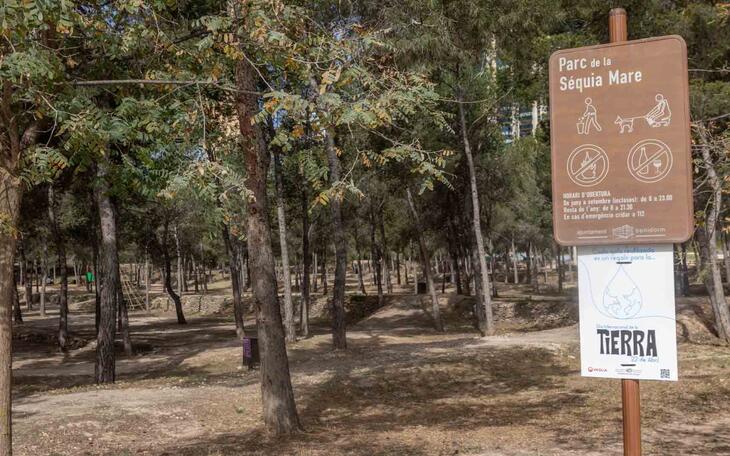
The City Council is putting the project out to tender for around 230,000 euros, which includes creating new paths and will allow these areas to function independently from the rest of the park
Benidorm City Council continues working to expand and complete the facilities and services at Séquia Mare Park. Specifically, the hostel and the camping and multi-adventure area are entering their final construction phase with the installation of perimeter fencing, a necessary step before these facilities can open.
Mayor Toni Pérez explained that “with this action, we are completing the configuration of these new leisure spaces, designed especially for young people,” and detailed that “this fencing will allow the hostel and the camping area to operate independently from the rest of the park.”
This project, tendered for €227,272.73, corresponds to action 11 of the ‘Green Benidorm’ Tourism Sustainability Plan, which is being carried out within the framework of the Recovery, Transformation and Resilience Plan financed by the European Union with Next Generation EU funds. The estimated completion time is three months.
When designing this enclosure, “a solid fence that blends into the environment and simultaneously offers privacy to users of the hostel and the camping area was chosen.” The project also includes the creation of new paths to improve connectivity between these areas and the park itself.
In parallel with the perimeter fencing, the City Council is already working on the design of the Séquia Mare Interpretation Centre, whose project was presented on April 1st. This centre will offer a journey through Benidorm's historical and vital relationship with water, with interactive and adaptable spaces. Likewise, the facilities and furnishings of the youth hostel are also being finalised.
Toni Pérez emphasised that “the infrastructure and services we have been developing in this Séquia Mare park make it a top-tier environmental, healthy leisure, ethnographic, cultural, tourist, and sporting asset, and very accessible, since it is located very close to our urban area, in a space that was completely abandoned just a decade ago.”
“Thanks to the municipal vision and investment, where there was once an area that was practically a rubbish dump, we now find a large park with green areas, a skate park, bio-healthy spaces, a youth hostel, an interpretation centre, a camping area and another for multi-adventure activities; an urban park that is a meeting point,” he concluded.