The presentation of the Sequia Mare Interpretation Centre will bring to a close the events organized by Veolia and the City Council
Benidorm kicks off its Water Week program, which includes exhibitions, talks, visits to facilities, and school activities
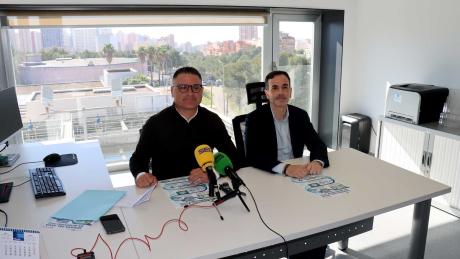
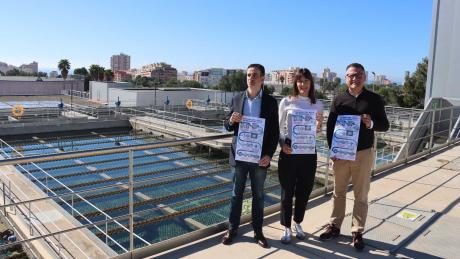
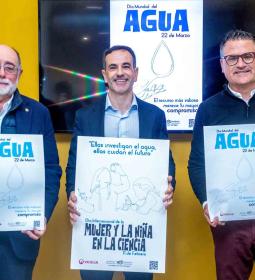
From Sunday, March 22nd to Wednesday, April 1st, Benidorm will once again celebrate Water Week with a comprehensive program organised jointly by the City Council and Veolia, the company that manages the city's water cycle. The program was presented this morning at the Drinking Water Treatment Plant (DWTP) by Councillor José Ramón González de Zárate and the Veolia manager for the Marina Baixa region.
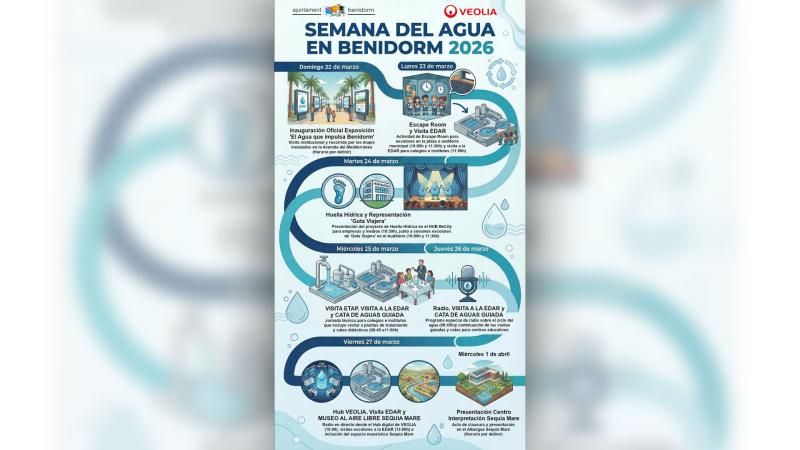
This year's program includes exhibitions, visits to the wastewater treatment plant and the DWTP, theatrical performances, the presentation of the municipality's water footprint project, guided water tastings, radio programs, visits to the Sequia Mare open-air museum, and the opening of the Sequia Mare Interpretation Centre. At the start of the presentation, González de Zárate emphasised that "we are a benchmark for other municipalities because we have the best methods and processes for treating water."
The first activity will take place on Sunday, March 22nd, with the official opening of the exhibition ‘The Water that Drives Benidorm,’ which showcases the past, present, and future of water in the city. It tells the story of what happened when there was no investment and what happens when investment is made in water infrastructure. The exhibition will be located on Avenida del Mediterráneo. On Monday, the 23rd, there will be an Escape Room activity for schoolchildren and a visit to the Wastewater Treatment Plant (WWTP) for schools and institutes.
The following day, the municipality's Water Footprint project will be presented at the BeCiti Hub. This presentation for businesses and media will take place at 10:30 a.m. There will also be school performances of the play ‘The Travelling Drop’ at 10:00 a.m. and 11:30 a.m., explaining the water cycle to students.
On Wednesday the 25th, a technical workshop has been organised for schools and institutes, including a visit to the treatment plants and educational water tastings. It will run from 8:45 to 11:00 a.m. On Thursday, guided tours and tastings will continue, and special radio programs about the water cycle will be broadcast. On Friday, March 27, there will also be live radio from Veolia's digital hub and school visits to the wastewater treatment plant and the Sequia Mare open-air museum.
On Tuesday, March 31, the focus will be on reused water with a visit to the construction project underway in the Poniente area, "and we will also discuss the future project in another area." "If we can get this water used for irrigation in public and private areas and for street cleaning, there will be a very considerable saving in both money and water," the councillor added. The program will conclude on Wednesday, April 1, with the presentation of the Sequia Mare Interpretation Centre, which will take place at the Sequia Mare Hostel.
José Ramón González de Zárate has hinted, however, that “there will be a surprise by the end of the week,” which he hasn't revealed, although he did specify that it involves “planned works, projects, and subsidies, all very positive for the city.” The councilman emphasised that “water is a priority for us,” and therefore stated that “we are about to begin a very important wastewater project at the Palau d’Esports.” González de Zárate estimated the current investment “at this time” in water-related projects underway in the city “at around three million euros.”