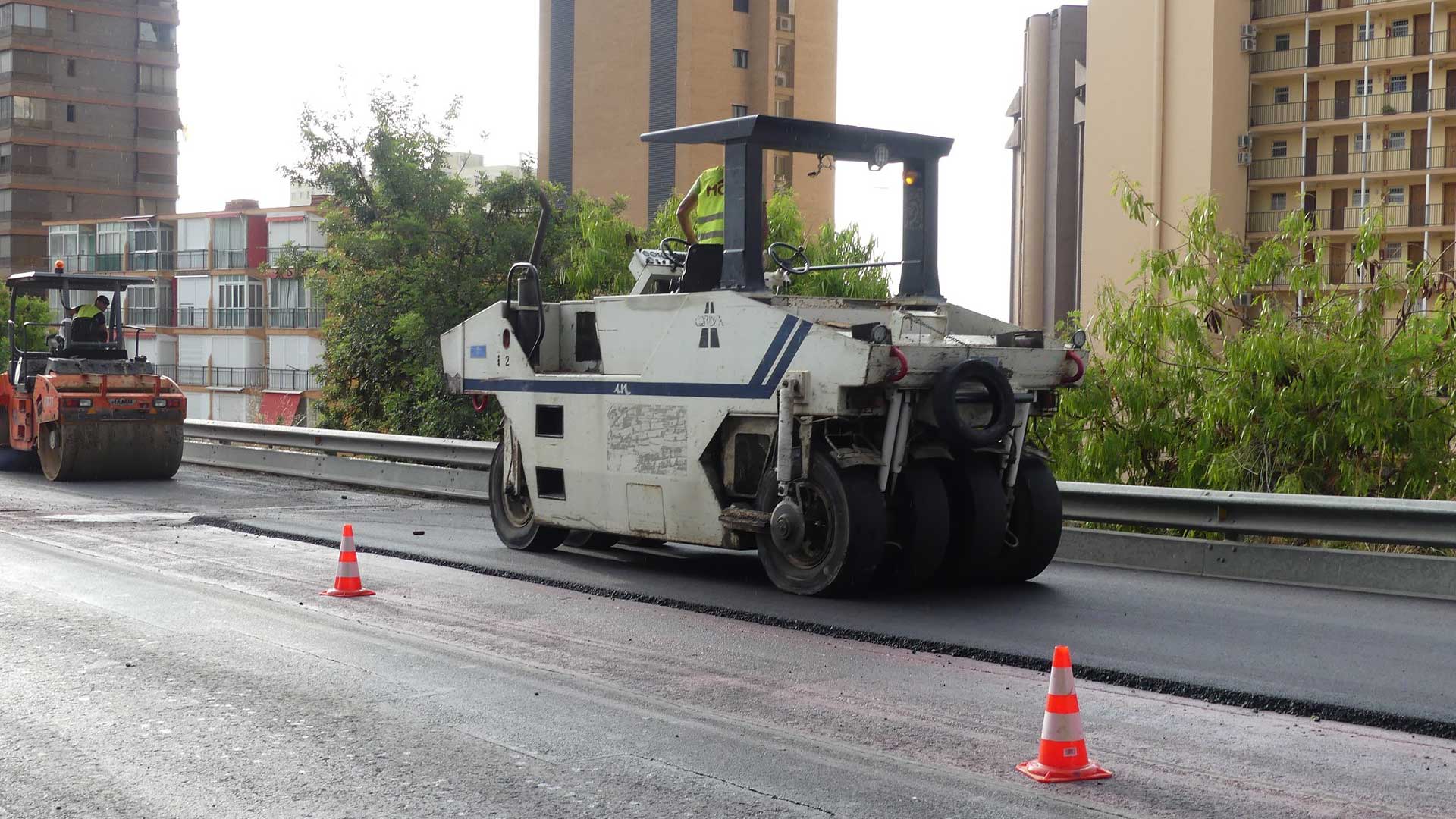
The first phase of Benidorm’s 2026 road resurfacing programme will cover a dozen streets and avenues, as well as several other locations across the city
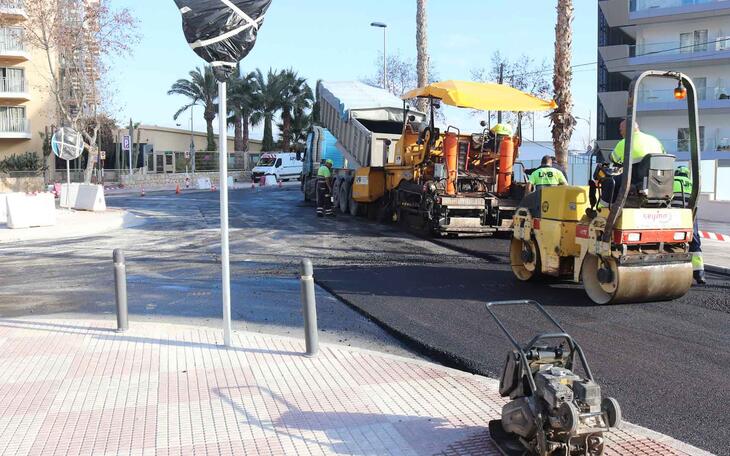
The works, with a budget of €1,346,766.60, will begin once the contract has been put out to tender shortly and must be completed by the end of the year
Benidorm City Council’s Local Government Board has approved the first phase of the 2026 road resurfacing programme, which will cover 12 streets and avenues, along with several other locations where repairs have been deemed necessary. The works will include resurfacing, pothole repairs and the removal and repair of damaged sections of road. The project, proposed by Councillor for Works and Public Spaces Francis Muñoz, has a starting tender budget of €1,346,766.60.
The next step is to refer the project to the Council’s Procurement Department so that the tendering process can begin. The aim is to complete the works before the end of this year. Muñoz explained that the planned works are expected to take two weeks.
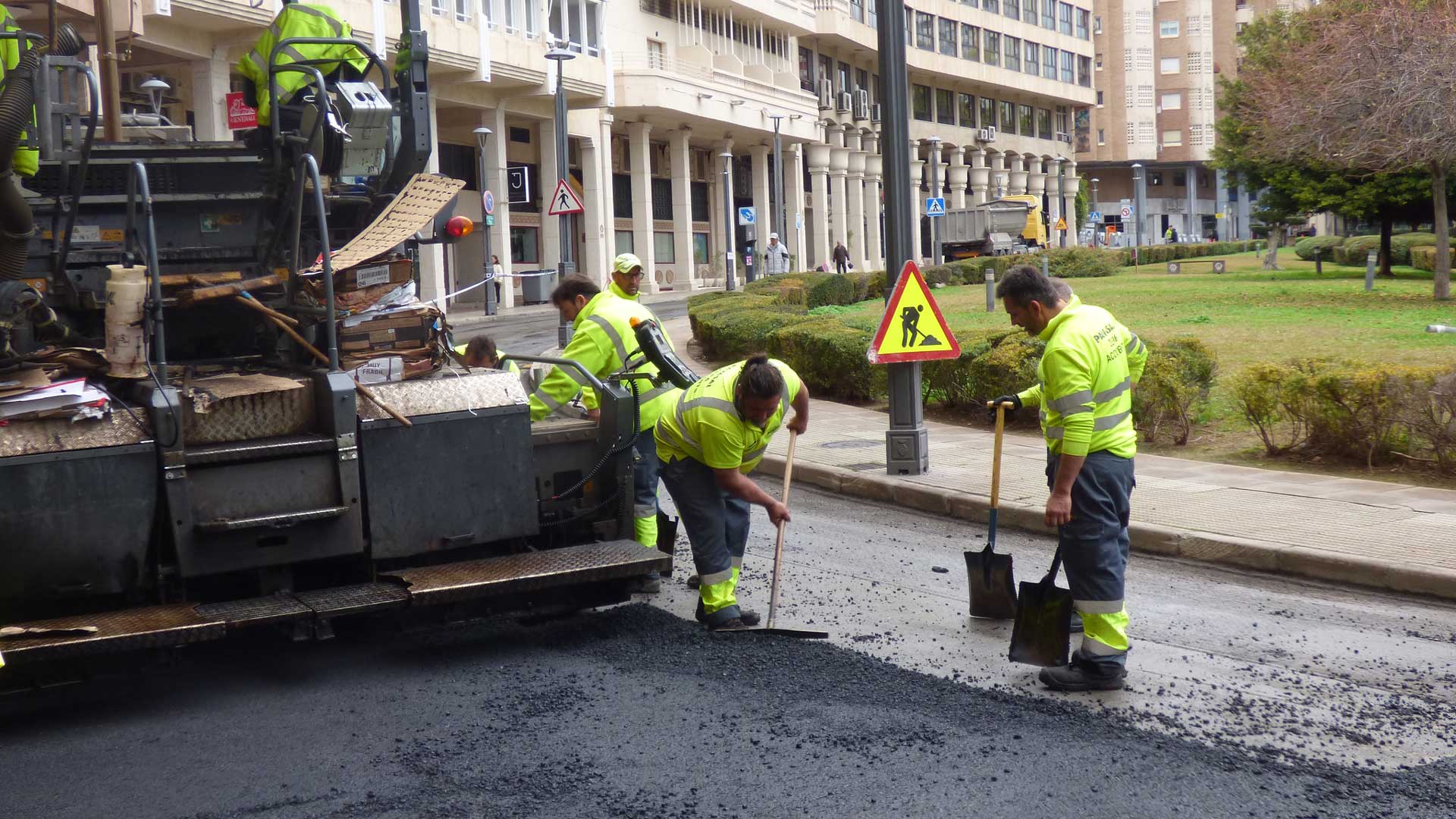
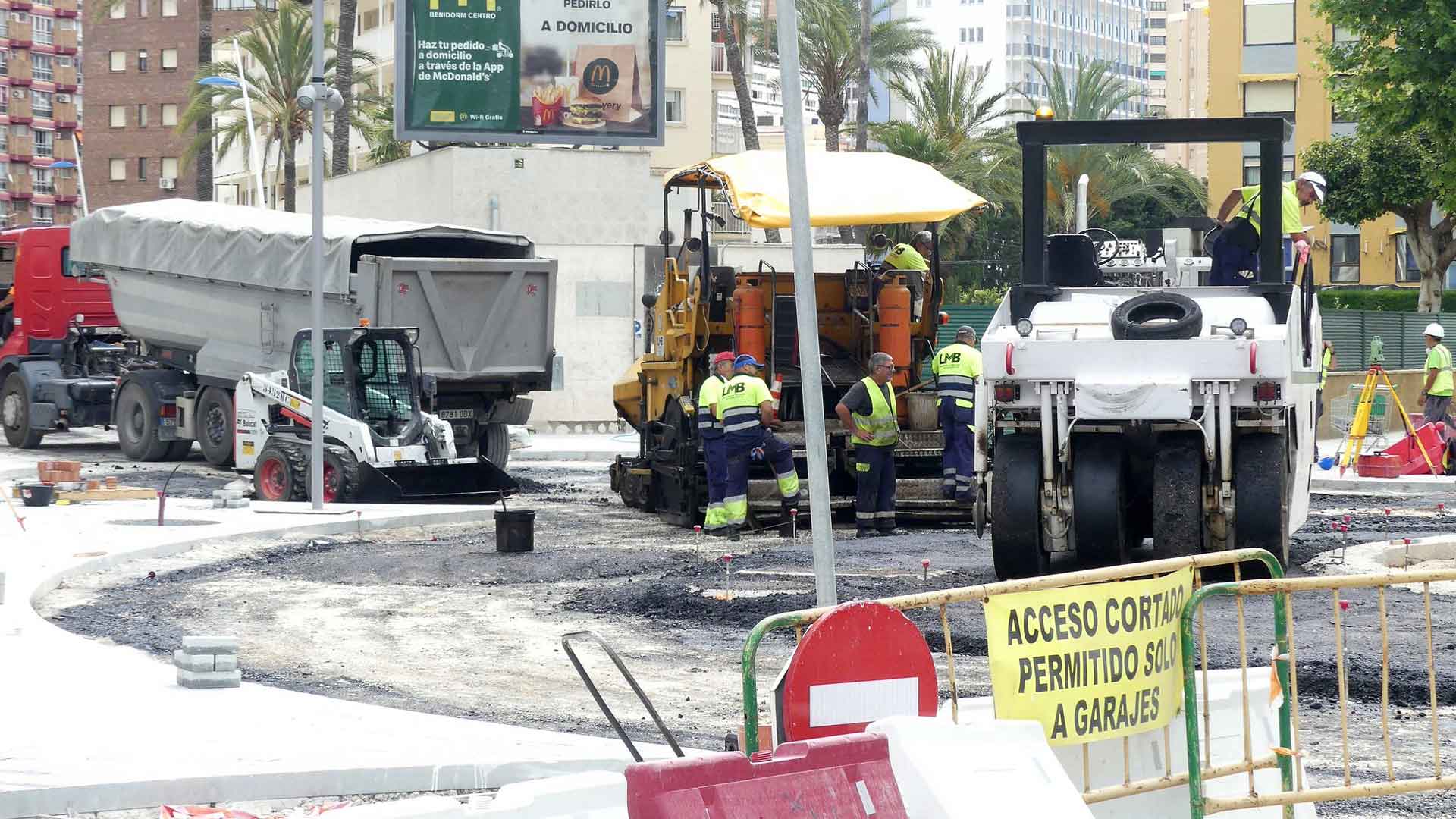
This first phase of the road resurfacing programme will include resurfacing, milling, repairs to damaged road surfaces and localised remedial work, together with any additional measures needed to ensure the work is completed properly.
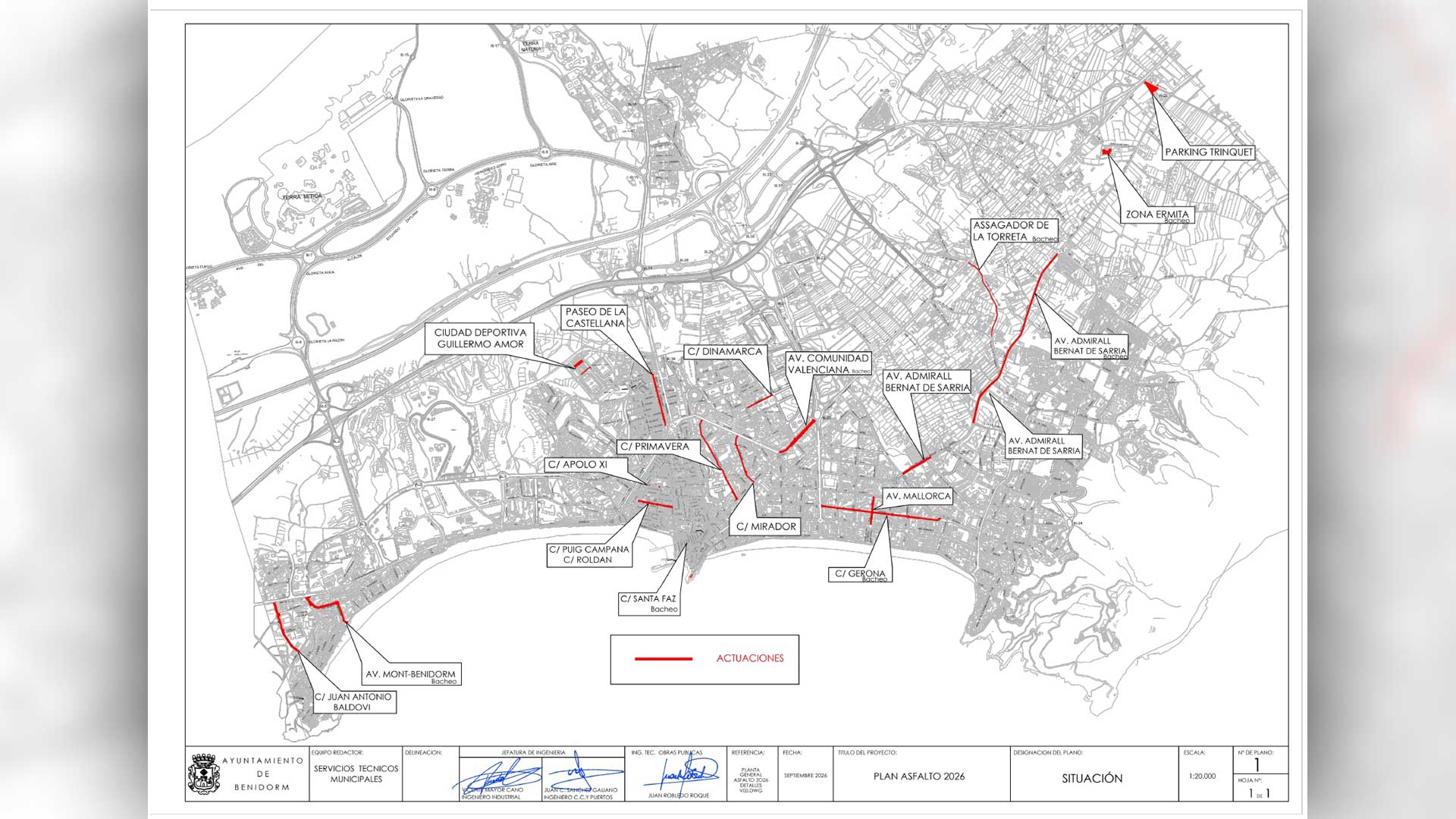
The roads affected are Primavera, Mirador, Castellana, Almirante Bernat de Sarrià, Gerona, Dinamarca, Puig Campana, Santa Faz and Roldán streets, as well as Montbenidorm, Comunitat Valenciana and Juan Antonio Baldoví avenues. The works will also cover the car park at the Vicente Pérez Devesa trinquet (Valencian pelota court), Guillermo Amor Sports City and the area around the Ermita de Sanz chapel.
Additional work is planned for Mallorca Street between Lepanto Street and Avenida del Mediterráneo, where the existing surface will be milled before a new top layer is laid. Pothole repairs and work to damaged road surfaces will also be carried out along Assagador de la Torreta, between Avenida Comunitat Valenciana and Camí del Palasiet.
Francis Muñoz explained that “heavy use of certain roads, ageing road surfaces, heavy goods vehicle traffic, work on urban infrastructure and periods of rainfall have all contributed to the deterioration of road surfaces in some streets. We need to address the problems identified by scheduling a new programme of road resurfacing works.”
He added that potholes, depressions, cracks and other defects had been identified “that need to be dealt with to improve road safety”.
This new phase follows on from previous road resurfacing programmes already carried out in the city. The Councillor for Urban Scene also stressed that deteriorating road surfaces “have a significant impact on road traffic”. Muñoz explained that this type of damage can occur for a variety of reasons.
He added that “the Council carries out road maintenance works every year, depending on identified needs, budgetary resources, the condition and importance of the roads concerned, and their impact on traffic”.
Francis Muñoz apologised to residents and drivers who may be affected by disruption once the works begin, although the inconvenience is not expected to last long. “We want people to understand that these works are being carried out to improve road safety and prevent damage and accidents,” he concluded.