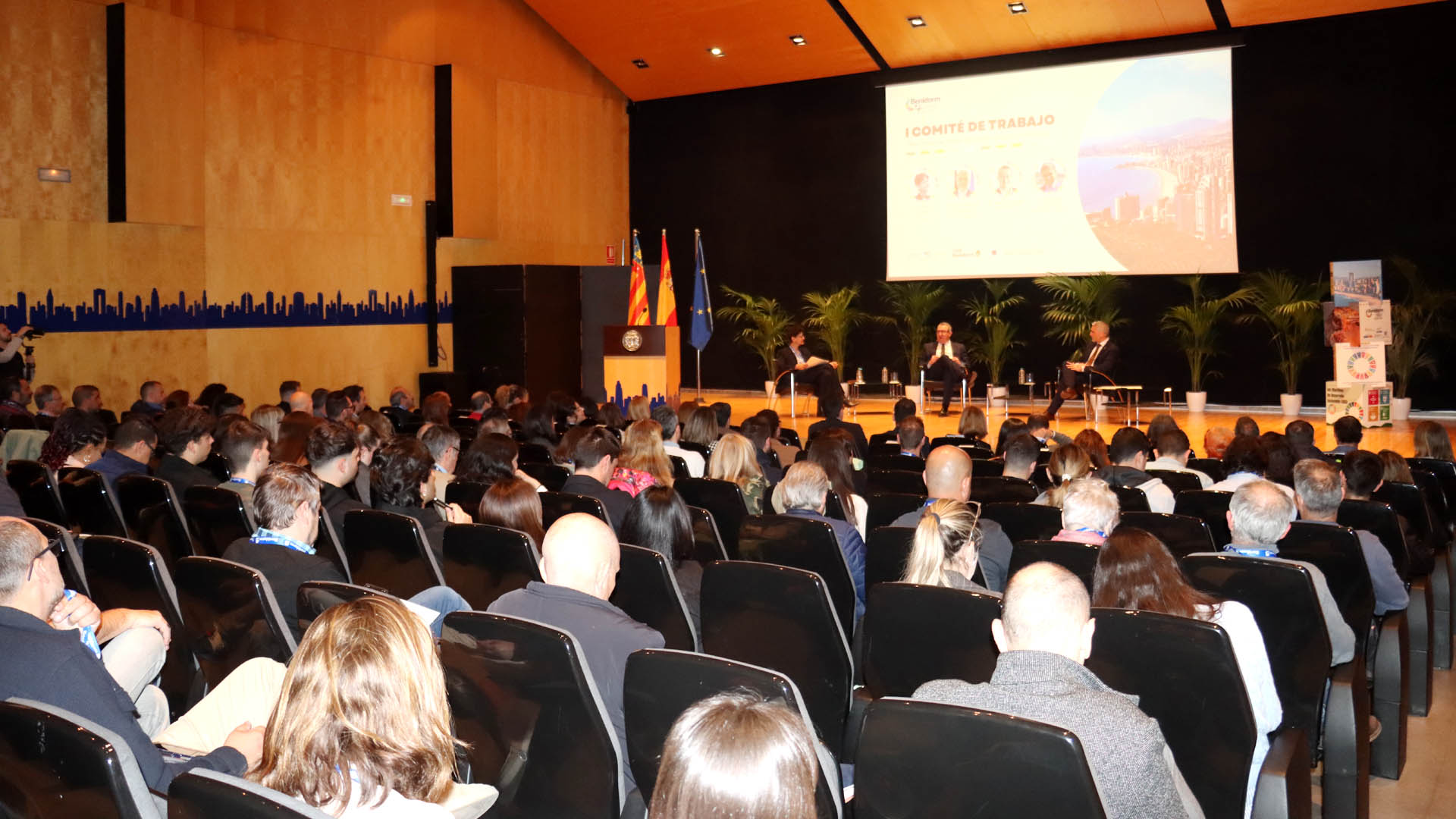
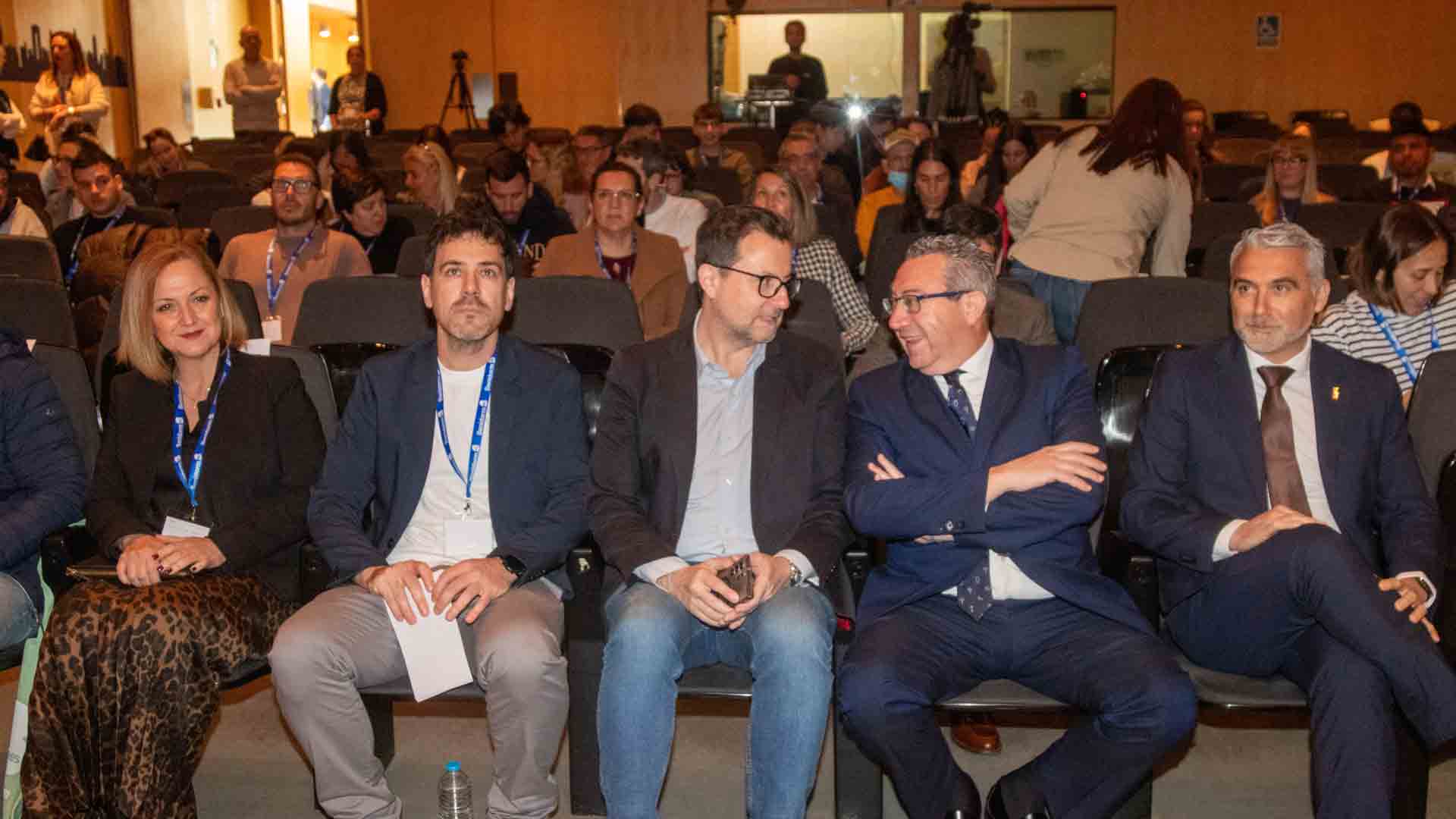
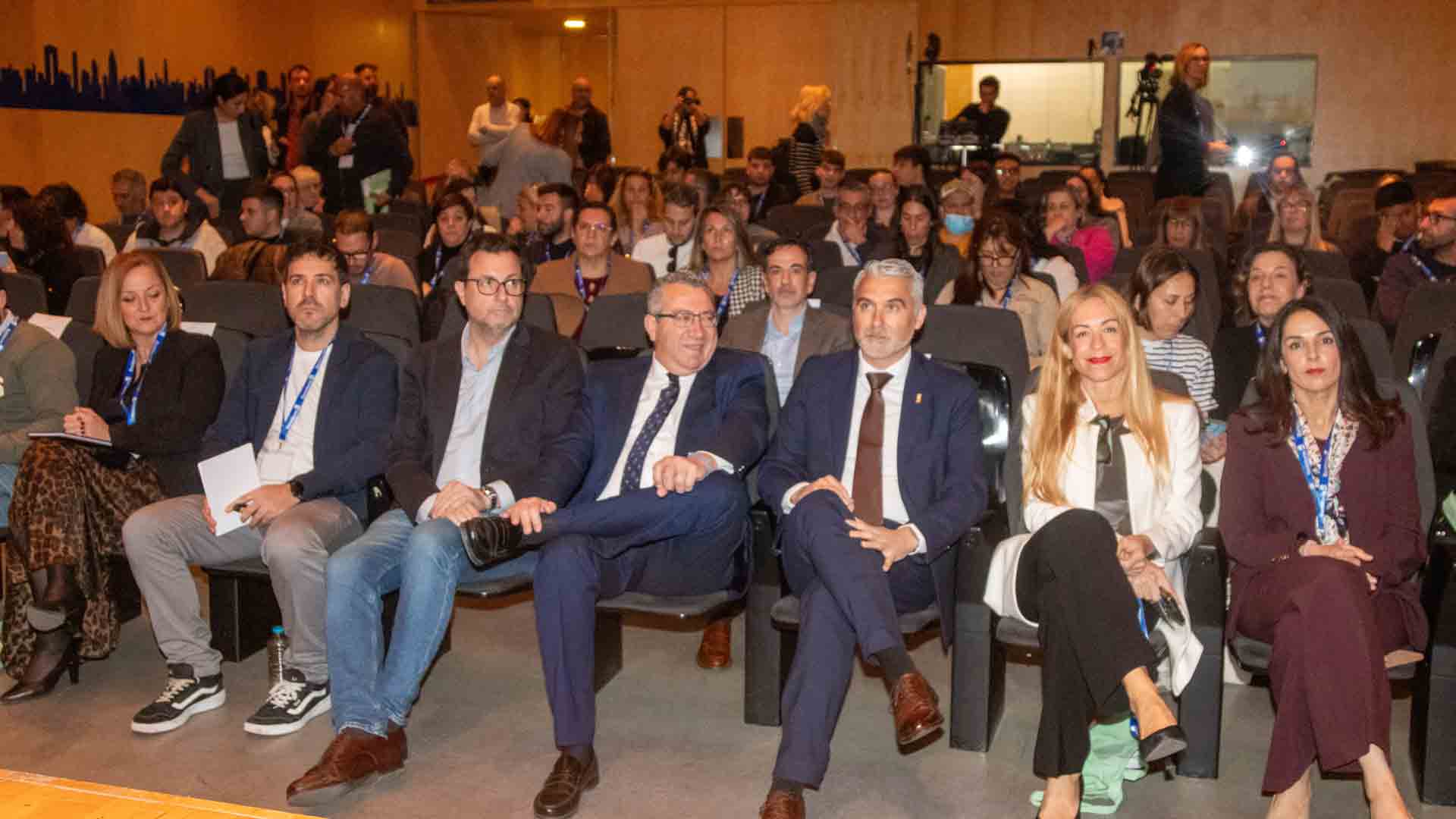
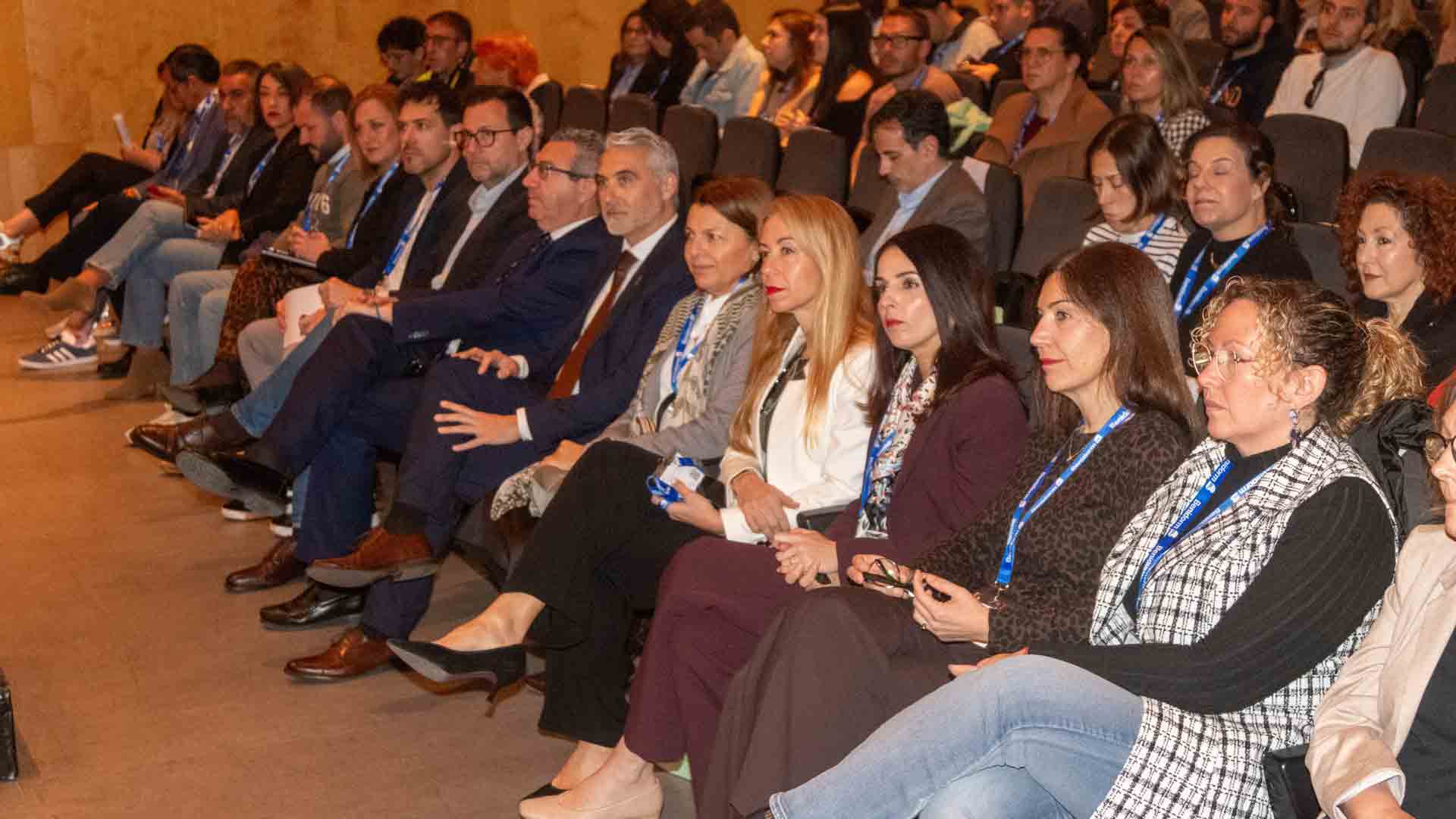
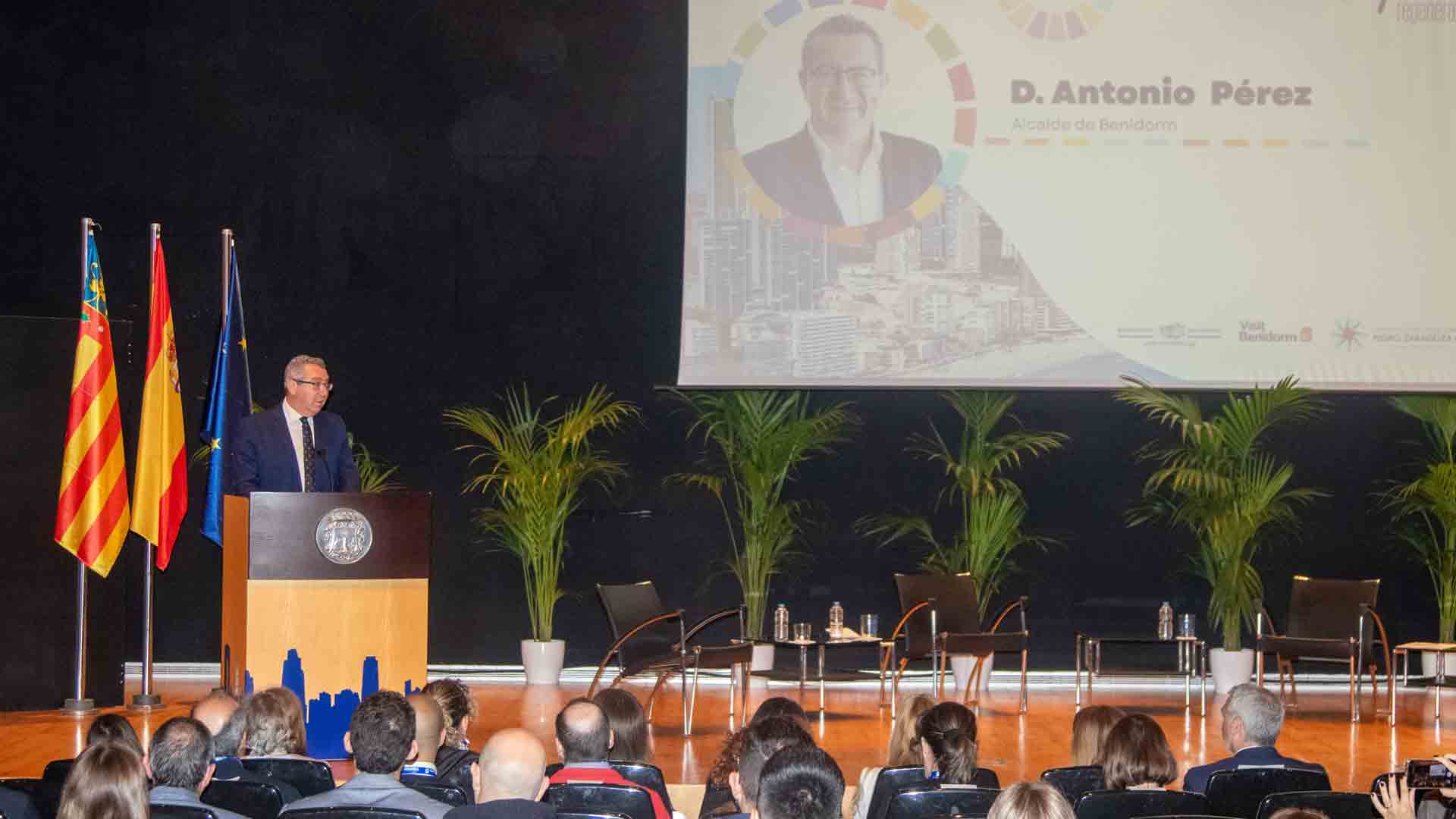
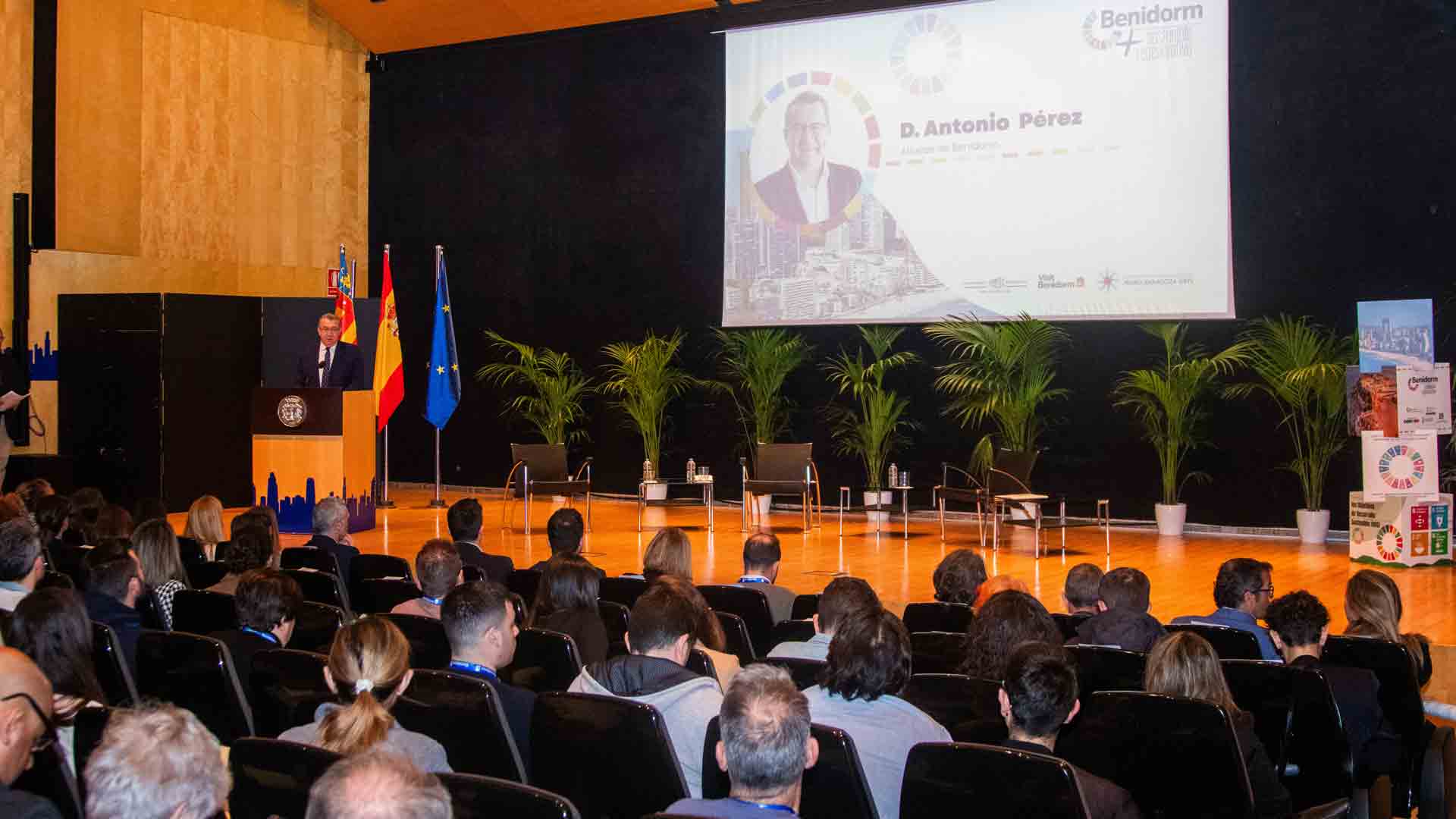
Benidorm hosts the first INSTO Working Committee meeting, and the mayor expresses his confidence that the local observatory will soon become part of the network
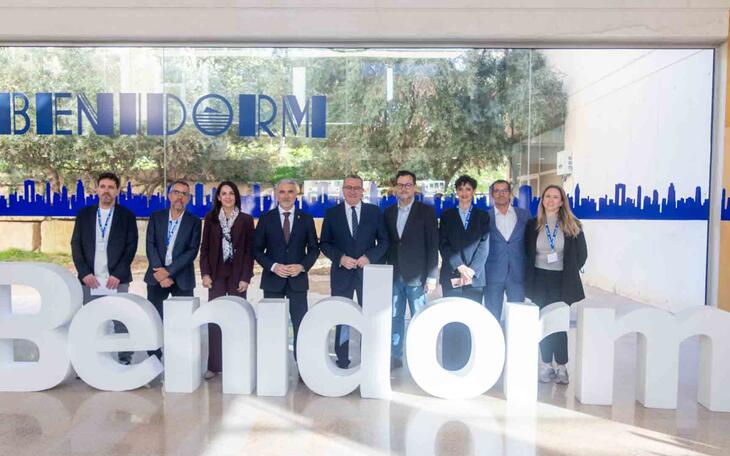
Toni Pérez reaffirms the City Council's commitment to improving the impact of tourism "to guarantee a more balanced and resilient future"
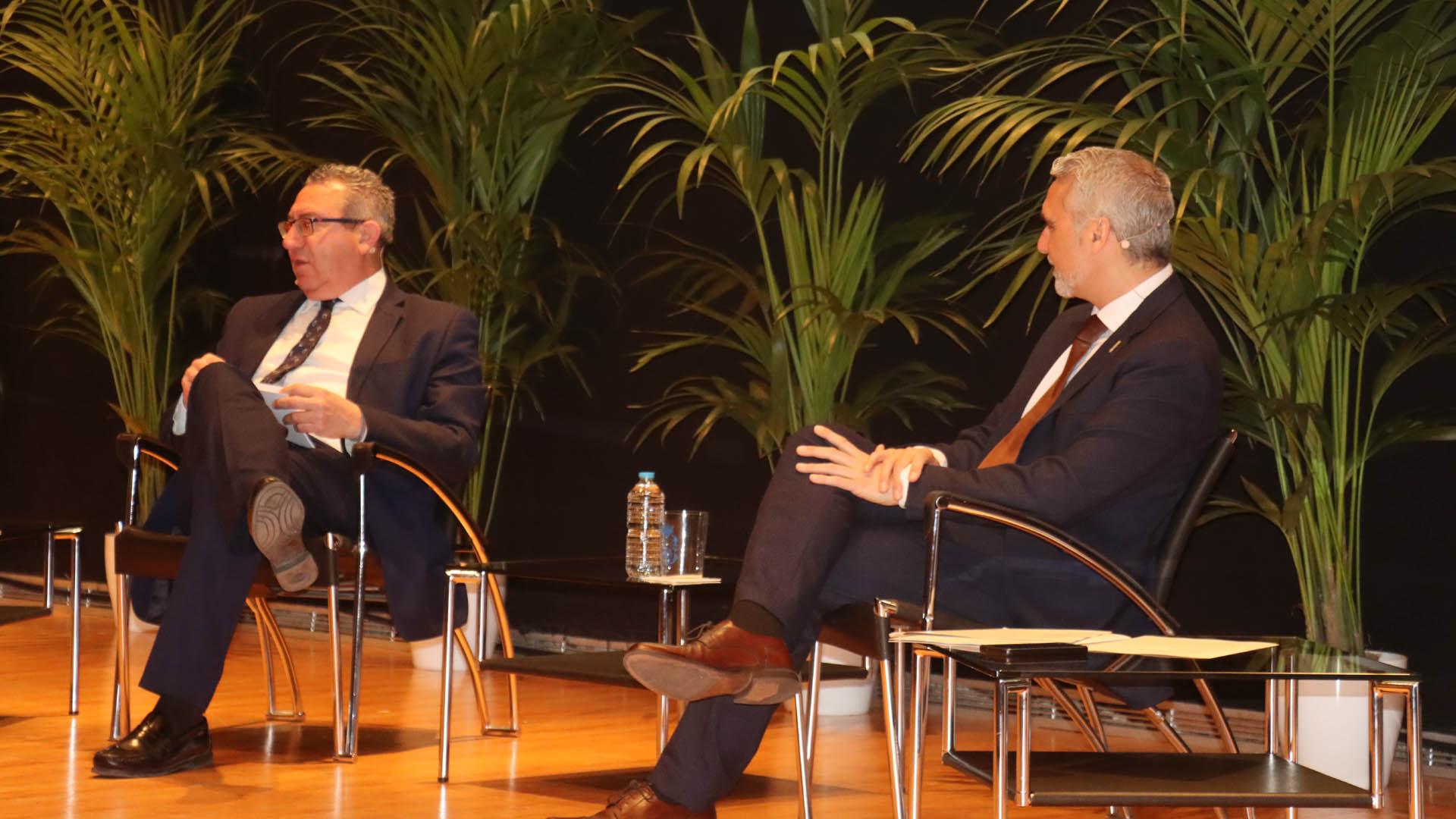
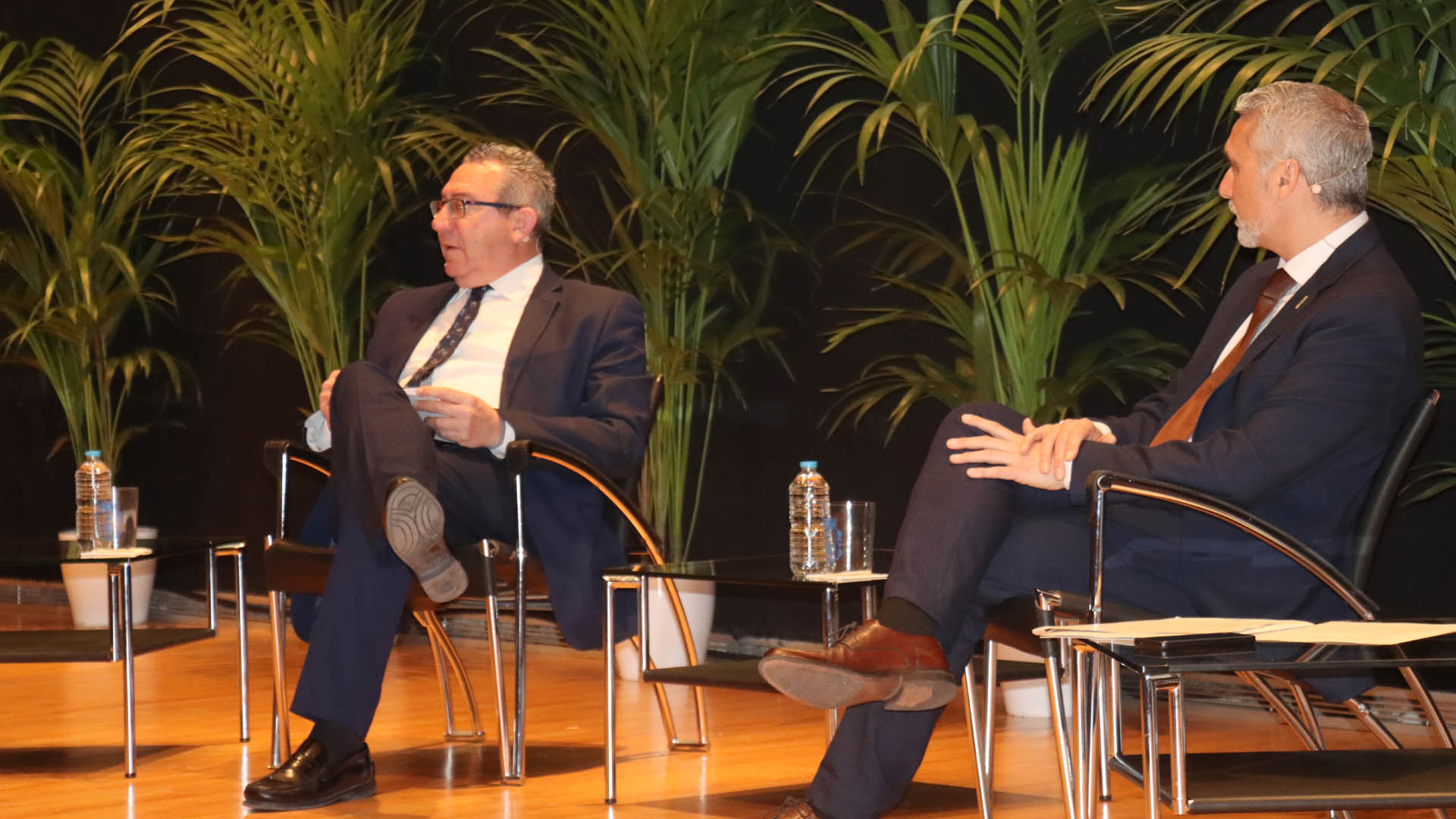
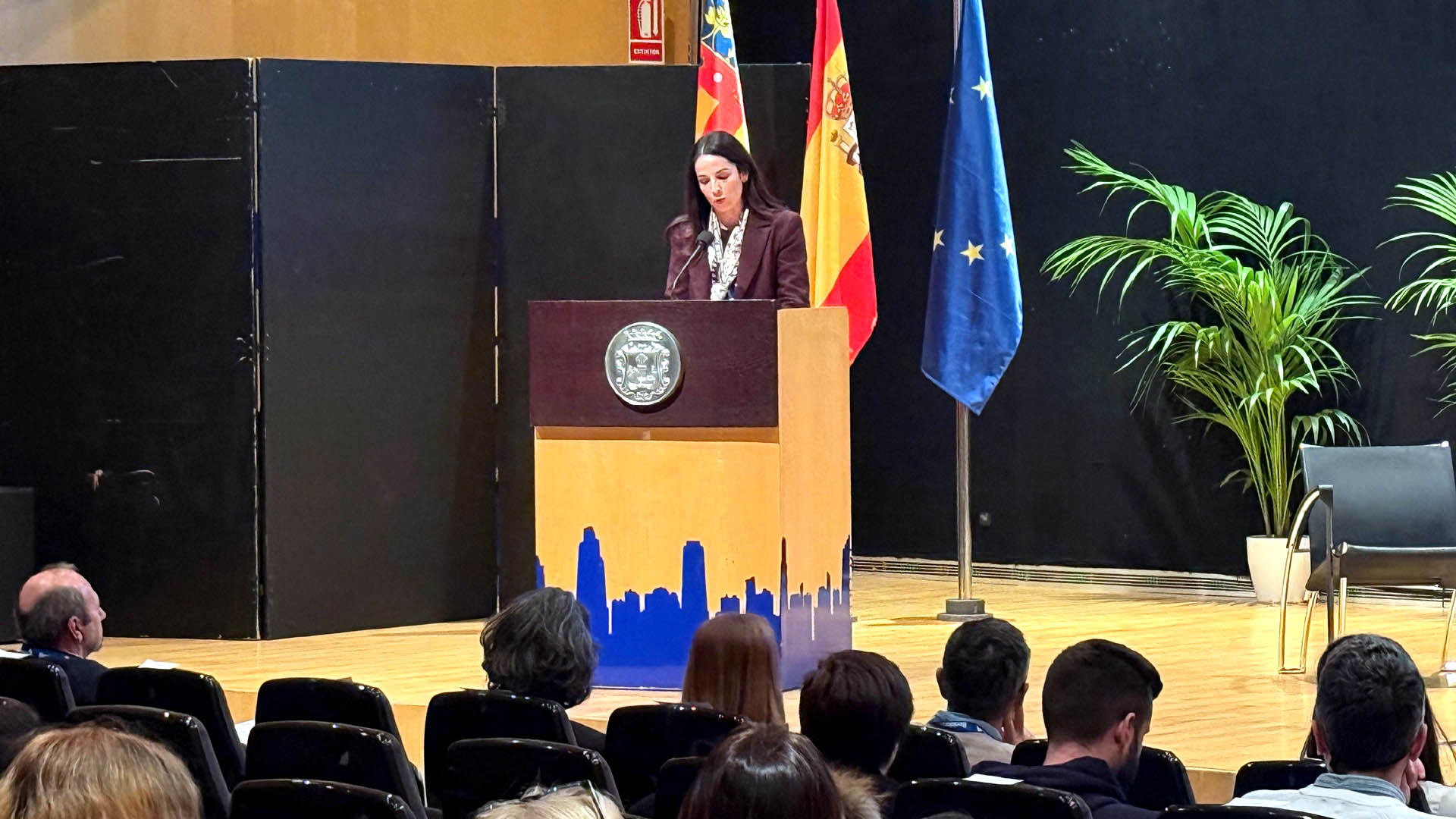
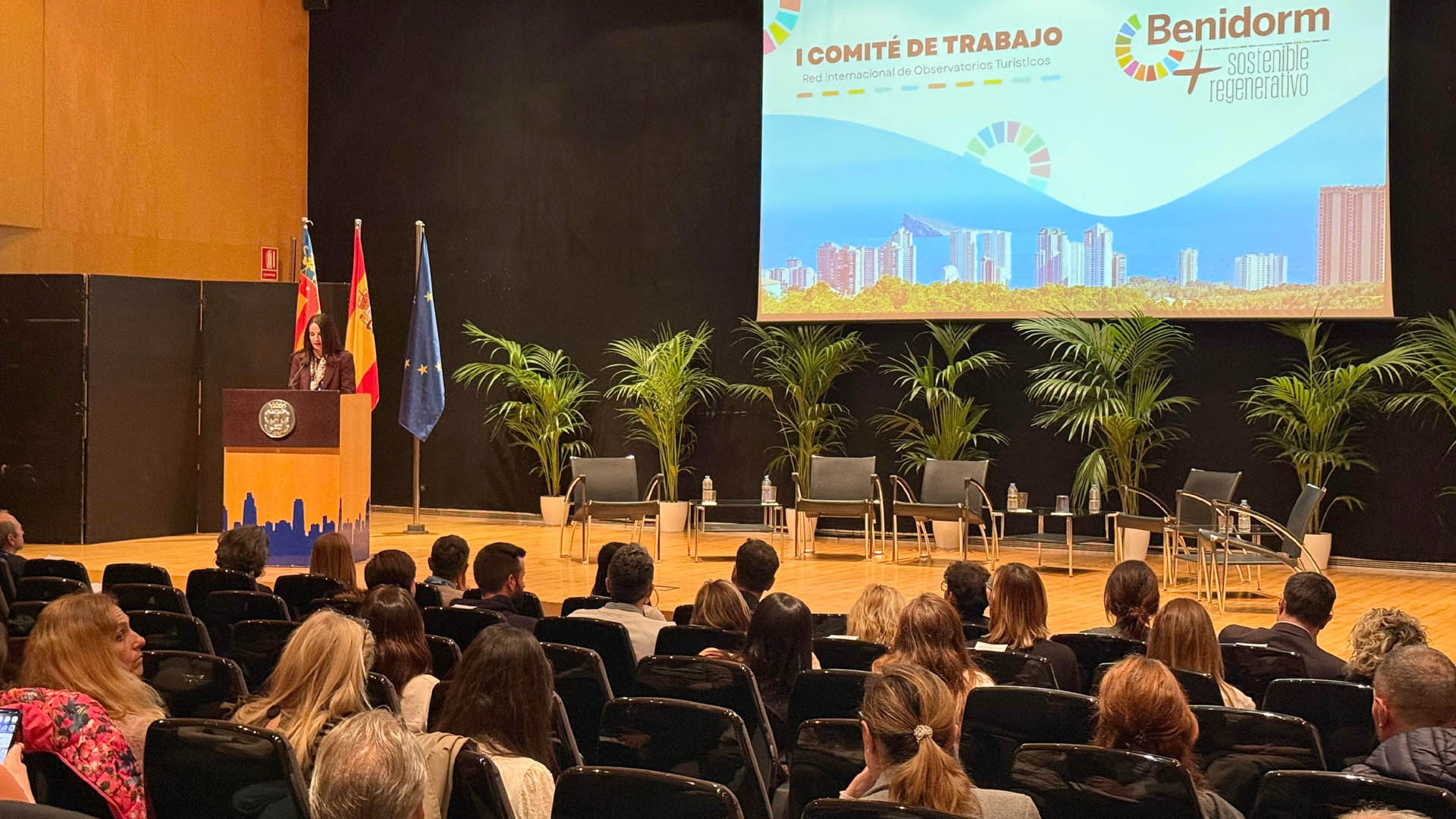
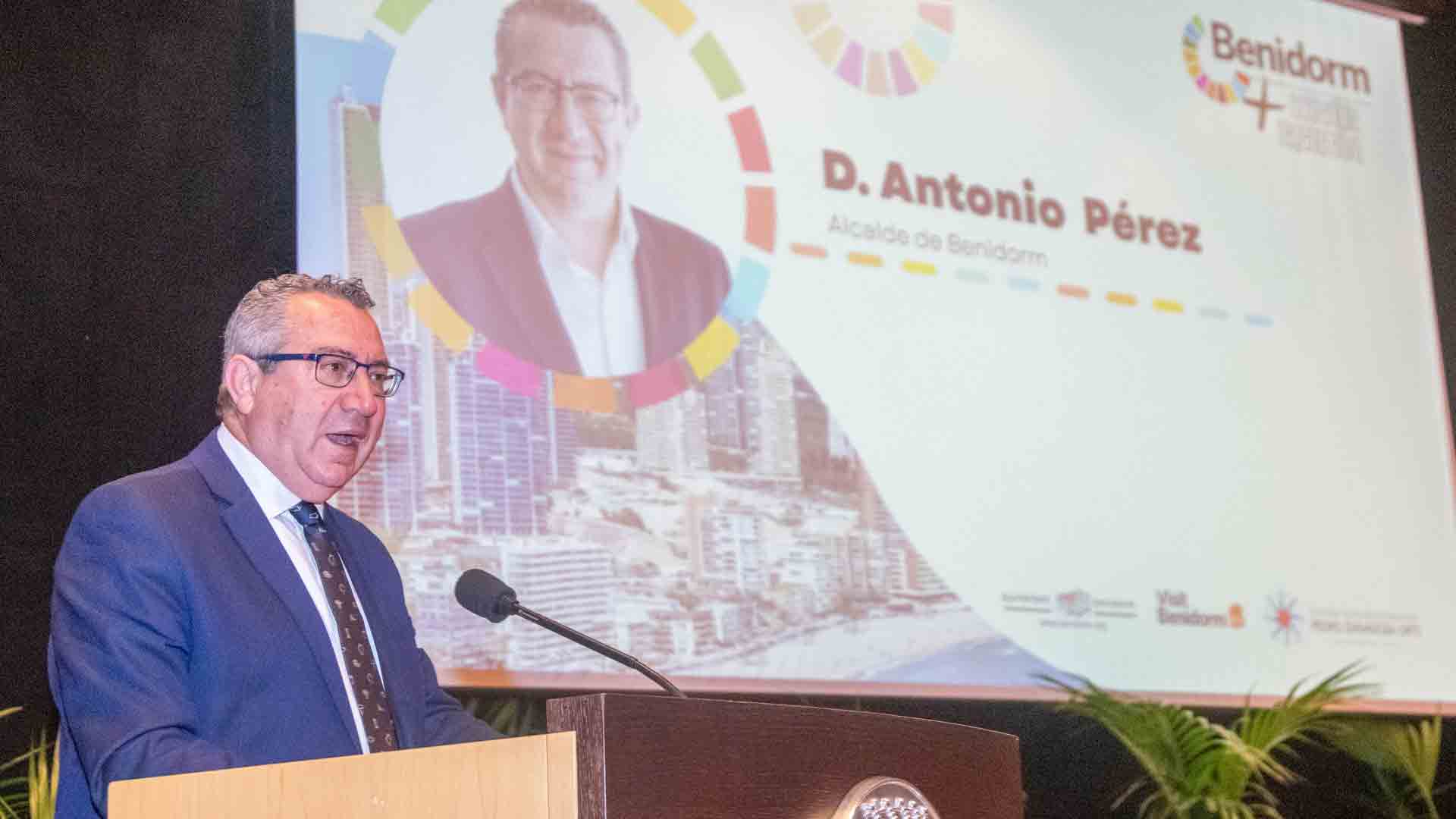
The Mayor of Benidorm, Toni Pérez, expressed his confidence this morning that the city's Tourism Observatory will soon join the International Network of Sustainable Tourism Observatories (INSTO). Pérez made this statement during his address at the official opening of the first INSTO Working Committee meeting, where he also emphasised the City Council's "firm commitment" to ensuring "a more balanced and resilient future for residents and tourists" through the continuous improvement of tourism's impact. This improvement will be achieved through the measurement and analysis of data.
The Mayor expressed Benidorm's desire to belong to the INSTO network, which he described as "the UN of Tourism," in order to fulfil a series of objectives. The first of these is to accurately measure the impact of tourism on the Benidorm destination "using data and metrics that allow us to make evidence-based decisions and improve our planning."
The second objective is to ensure a balanced evolution of the destination "by guaranteeing that tourism growth is compatible with environmental, economic, and social sustainability." Finally, the aim is also to foster innovation and continuous learning by “connecting with other observatories within the network to share best practices and, at the same time, adopt strategies that strengthen our leadership in sustainable tourism.”
The process of achieving these objectives and joining the INSTO network has been characterised by “active listening and collaborative action.” Thus, through surveys, “we have gathered the perceptions of associations, groups, individuals, and government bodies to determine which areas of study are priorities.” Toni Pérez also specified that they have worked “with younger generations” through sustainability workshops in schools via the ‘Seeds for the Future’ program.
“We still have the final milestones of the project ahead of us: the launch of the Benidorm Observatory website, a workshop with local associations, finalizing the collection of letters of support for our application, and submitting all the necessary documentation so that our application can be reviewed and evaluated by INSTO,” the mayor explained.
All of these points will be finalised before the end of March.
Toni Pérez expressed his “confidence in our potential” and affirmed that Benidorm is “a sustainable destination that wants to remain so. But we are not complacent, and therefore we want to lead the transition to a regenerative tourism model in which technology, strategic planning, and the well-being of residents and visitors go hand in hand,” he concluded.
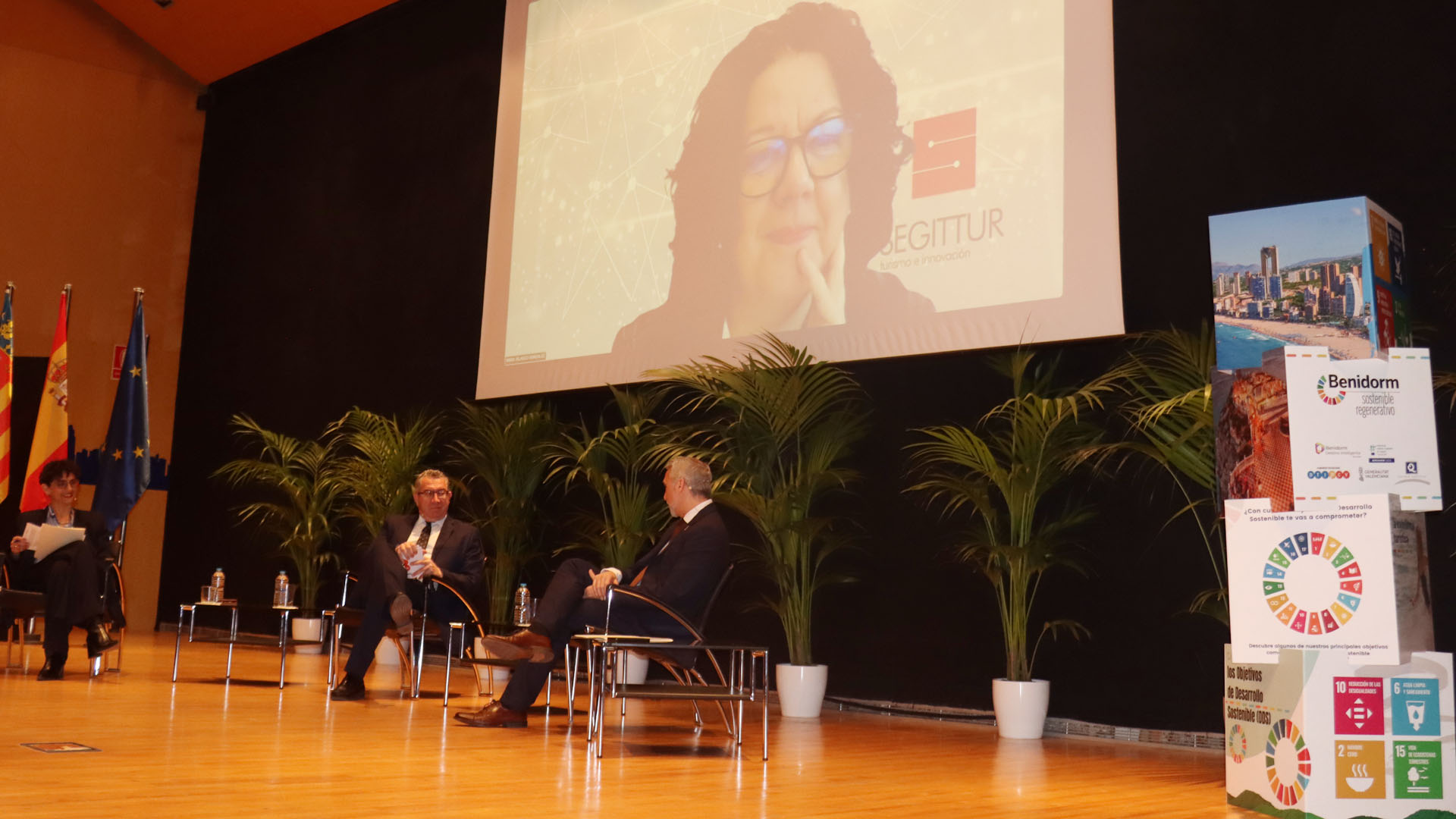
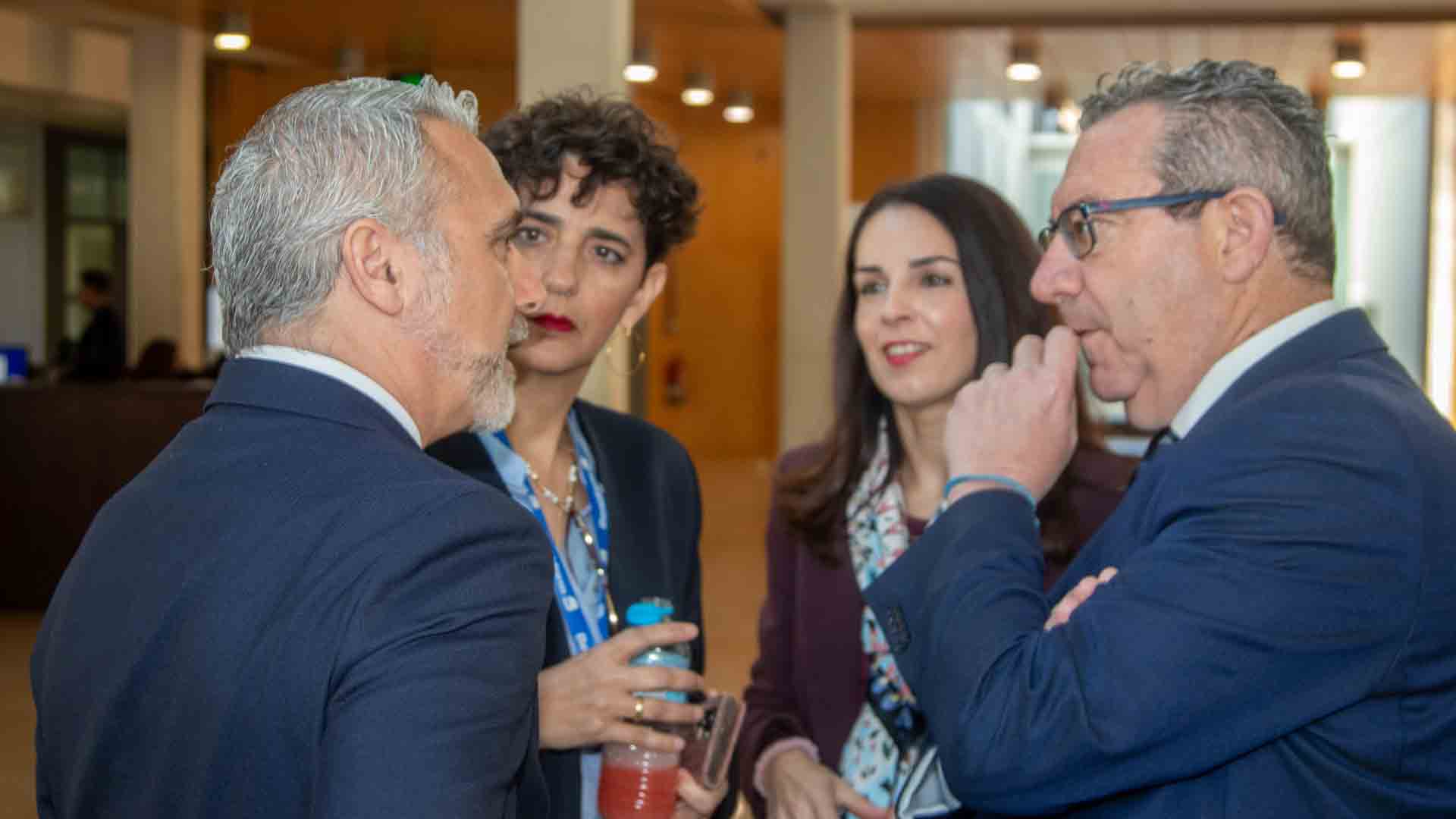
Minutes later, the mayor participated in a panel discussion on “Governance with a Focus on Sustainability,” moderated by Celia Romero, Director of Tourism Intelligence. Also participating were José Manuel Camarero, Regional Secretary of Tourism, and María Velasco, Director of Research, Development, and Innovation at Segittur.
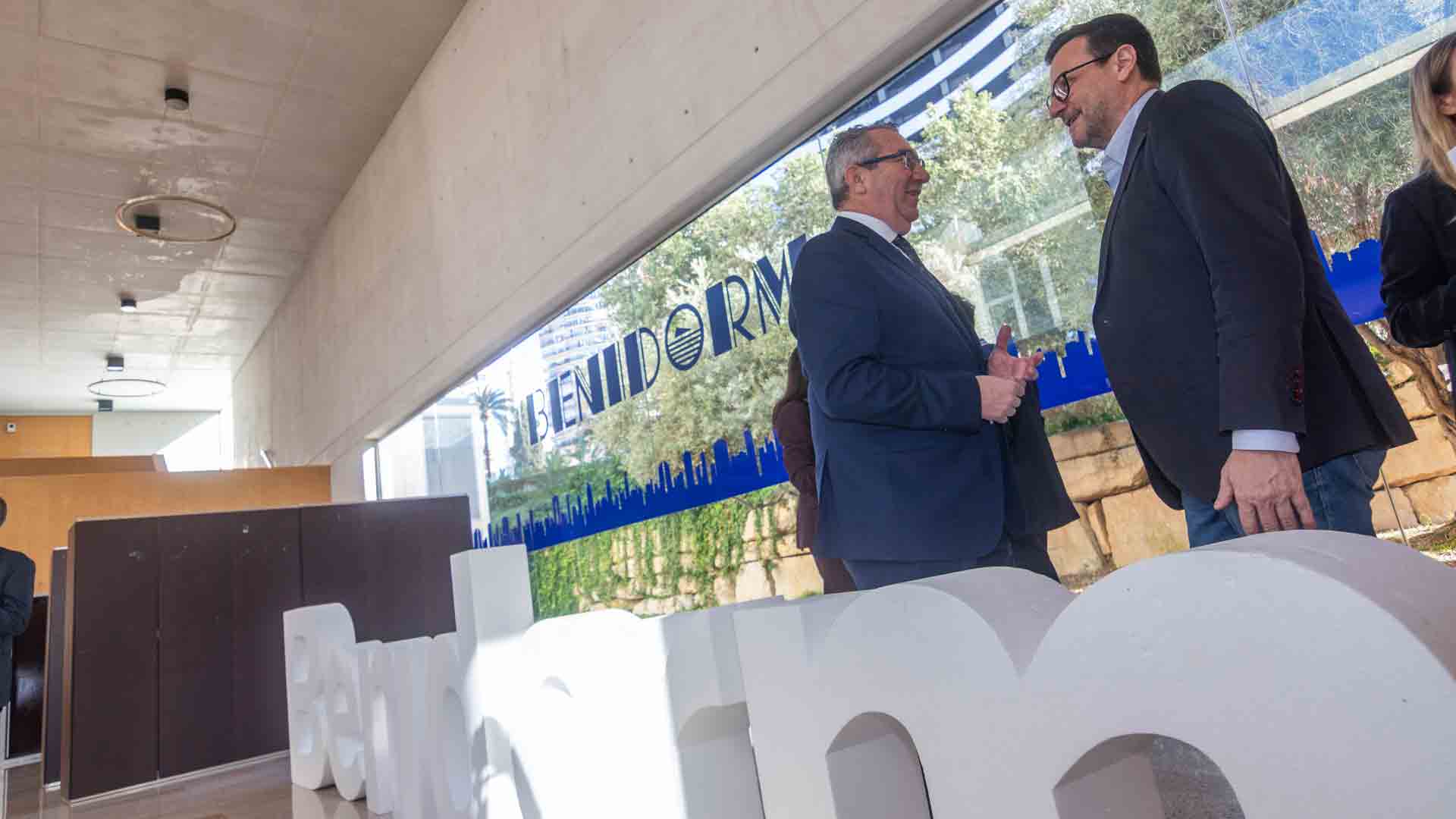
In that panel, the mayor argued that governance “has been the silent engine that has allowed us to become a consolidated destination” and that “it is not only a tourism strategy, but a city strategy.” He also highlighted the boost provided by the CORE platform, “whose deployment is a further step in the capacity for data analysis.” After highlighting some tourism figures from last year—3.5 million tourists in the city and more than 16.1 million overnight stays—the mayor added that “Benidorm is something that is desperately needed: it is happiness.”
The closing remarks were explained by the Councilor for Innovation, Aida García Mayor, who summarised the three key takeaways from the day. “The first is that governance is the true engine of change.” The second point is that belonging—or aspiring to belong—to the INSTO Network is not a recognition, but a responsibility, because an observatory is not just a system of indicators; it is a strategic tool for transforming the destination, generating knowledge, and making decisions with real impact. And the third, perhaps the most important, is that tourism is not sustained solely by data, but by social legitimacy.”
The councilwoman assured that the City Council will continue “working on the protection of endangered ecosystems, moving towards a real integration between tourism and conservation, and understanding that the natural environment is not a resource, but a heritage that we must preserve.” She also announced that the control and monitoring of seawater quality will be strengthened “as a key element not only environmentally, but also in terms of reputation and competitiveness.” Similarly, “a comprehensive vision of the water cycle will be incorporated, where efficiency, reuse, and resilience will be fundamental pillars,” because, as she stated, “sustainability is not just about how much we grow, but how we manage that growth.” Measuring, understanding, and balancing flows will be key to ensuring coexistence and the quality of the destination”.