The Séquia Mare Park Interpretation Centre opens its doors to showcase the history and water culture of Benidorm
The installation, which involved an investment of 145,000 euros, shows the city's historical relationship with water
Pérez states, “We do not want future generations to know only the history of water, but rather to learn how to care for the future of water.”
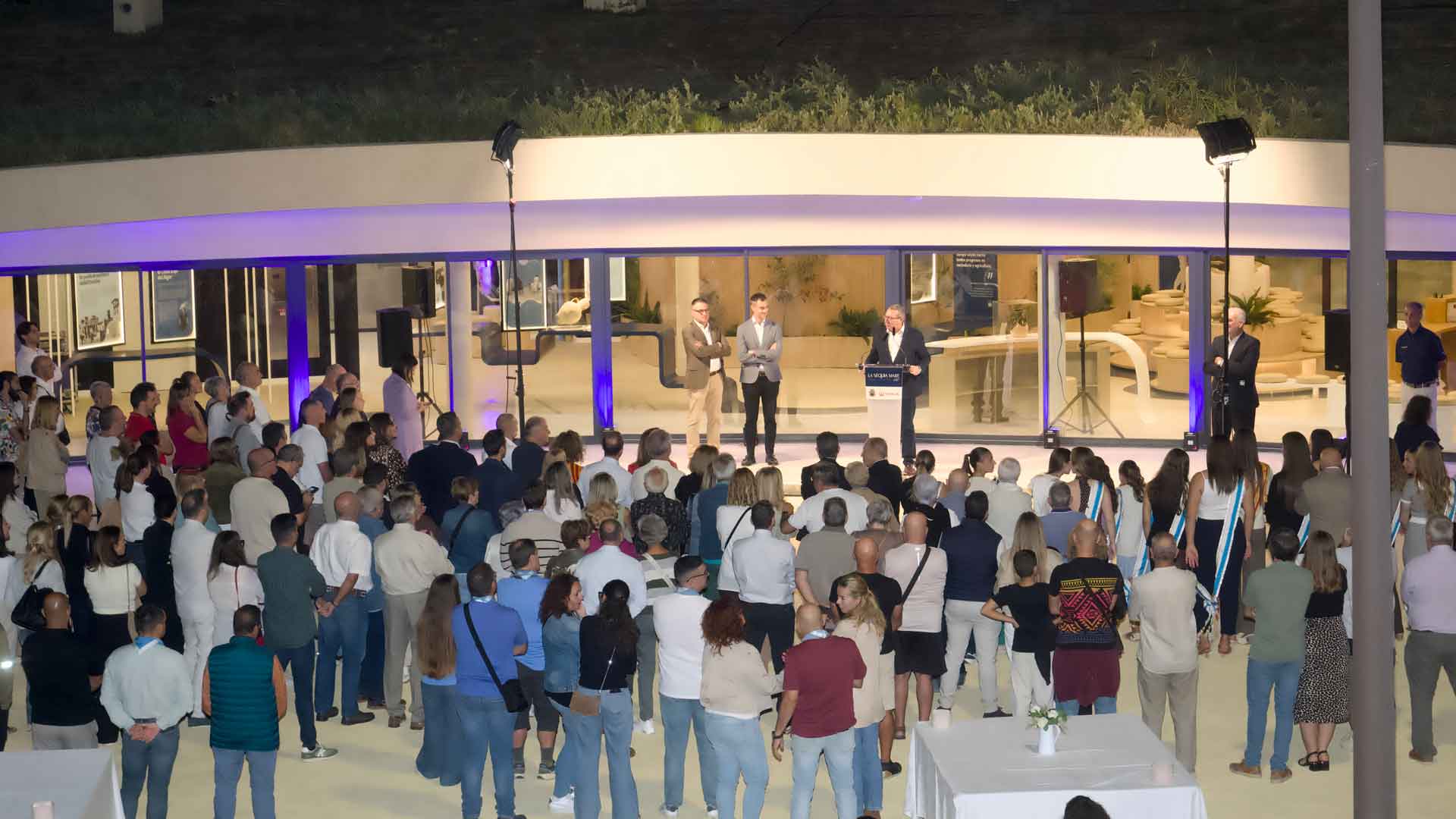
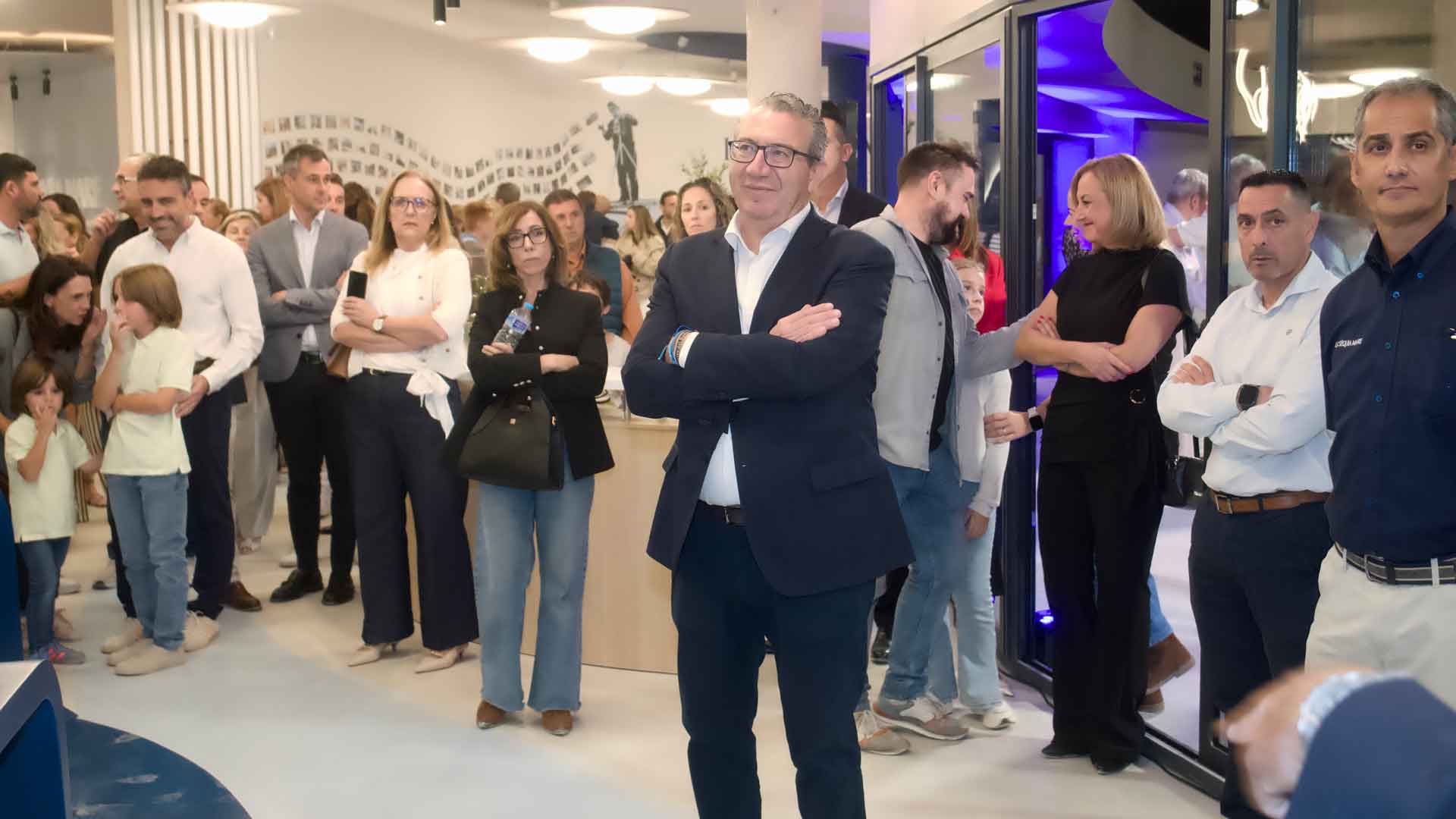
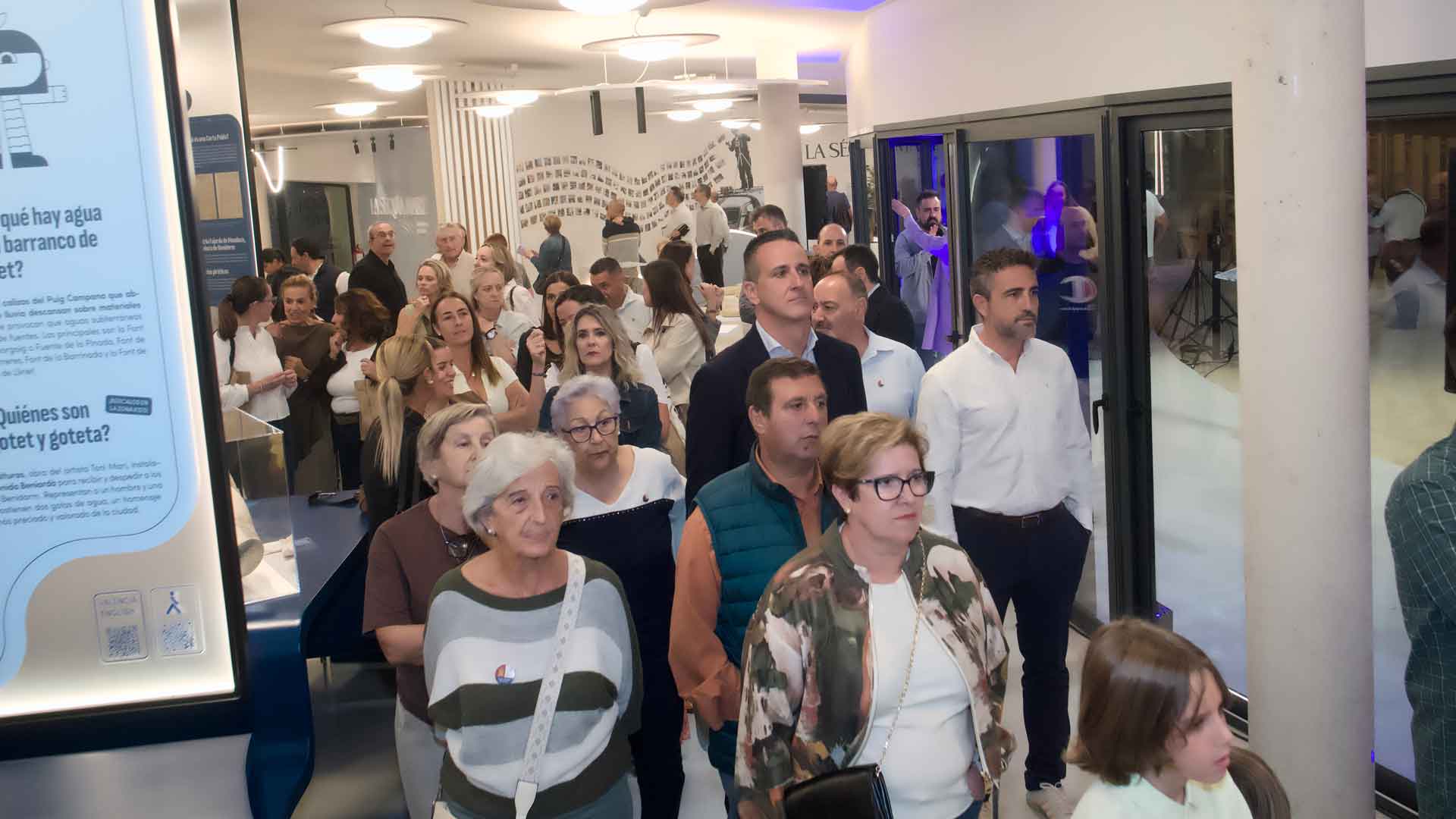
Yesterday evening, the Benidorm City Council inaugurated the Séquia Mare Interpretation Centre. Located in the José Antonio Añón Ramón Youth Hostel in Séquia Mare Park, the facility showcases the municipality's hydraulic, ethnographic, and cultural heritage. The opening ceremony began at 8:00 PM, drawing a large crowd eager to discover—firsthand—a facility that highlights the legacy of water and its significance to Benidorm’s past, present, and future generations. A promotional campaign run in the days leading up to the event via social media and municipal channels drove the high turnout.
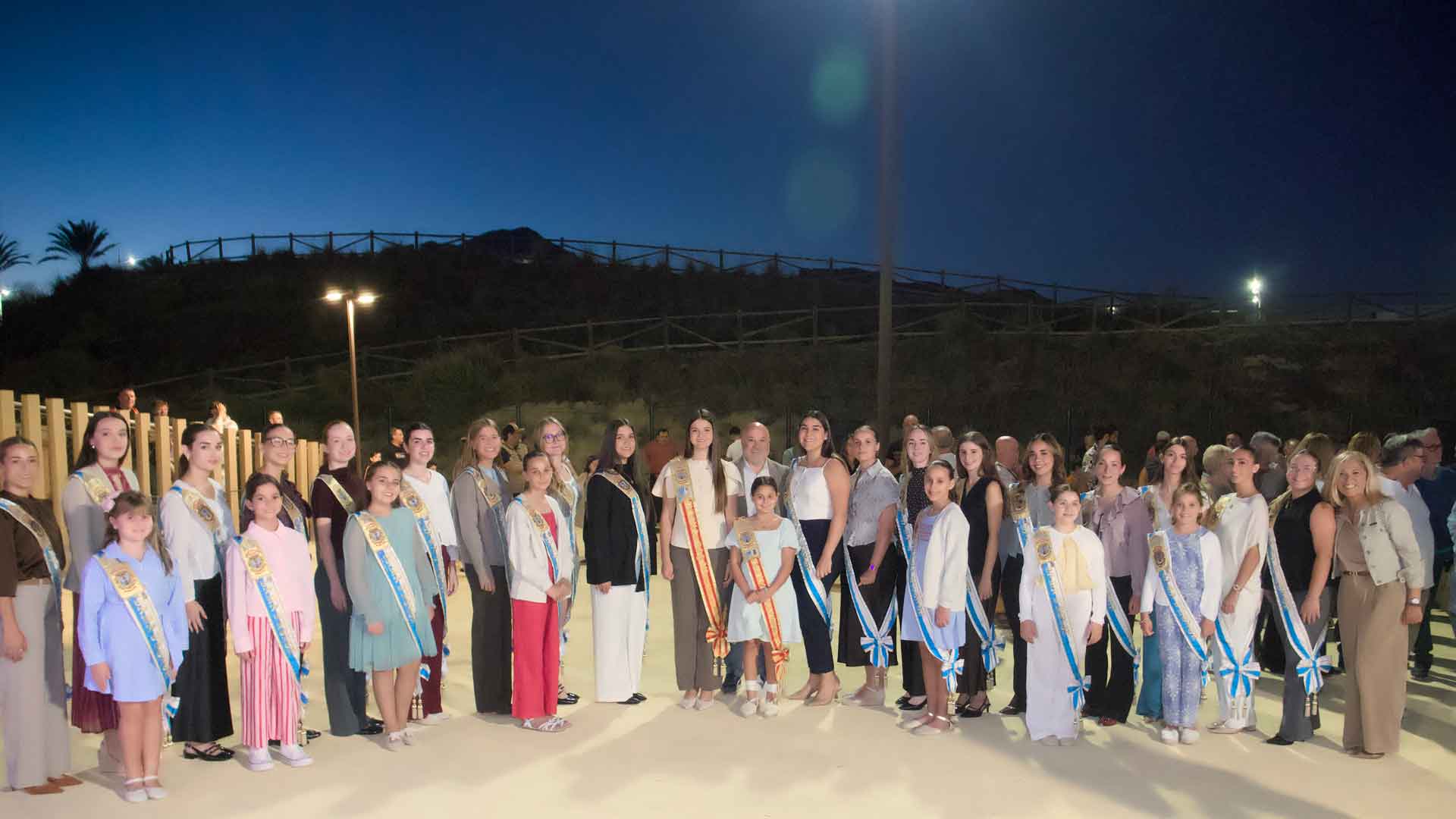
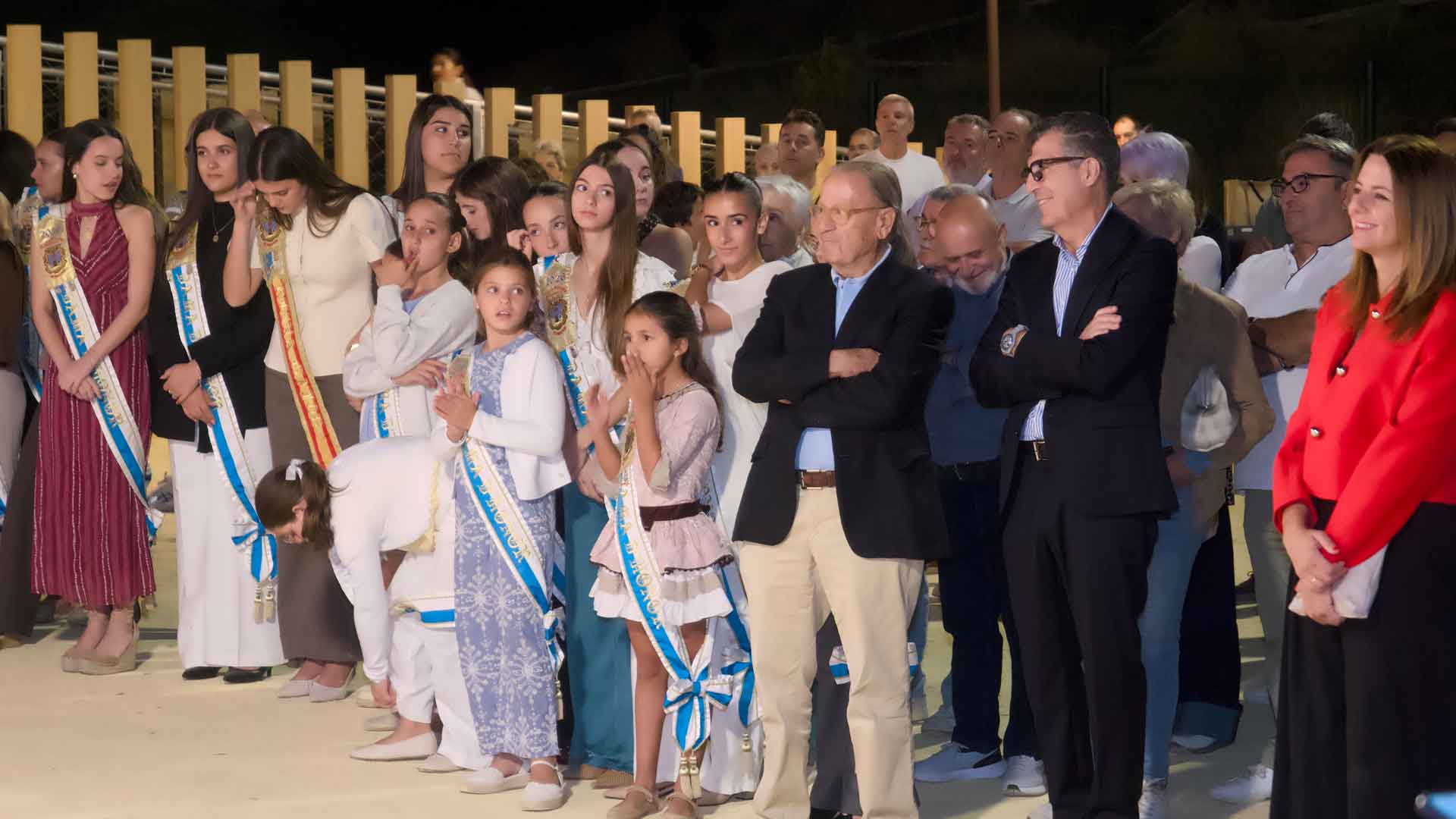
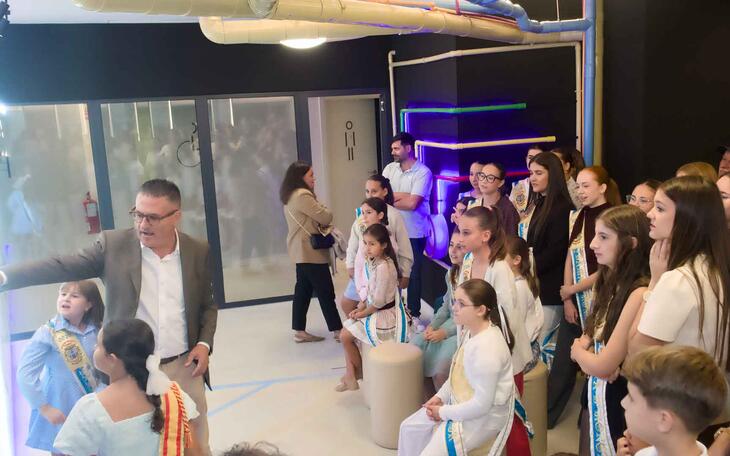
Attendees at the opening included Mayor Toni Pérez, members of the local council, regional deputy Manuel Pérez Fenoll, the Queens of the Major Patron Saint Festivities (Laura Ivars and Carmen Guillem), the President of the Festival Commission (Ramón Cano), and numerous representatives of Benidorm’s civil society.
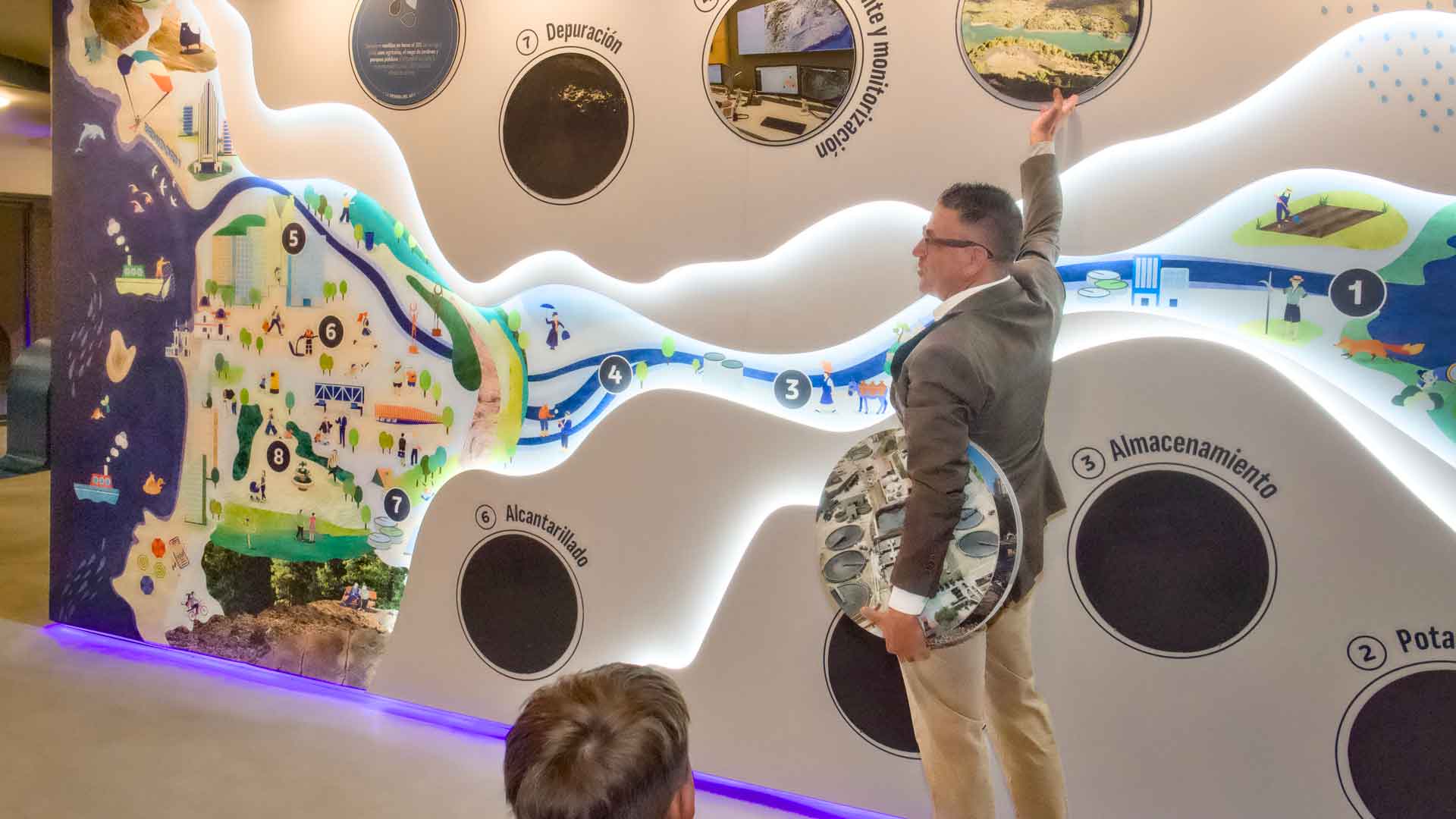
The Interpretation Centre is situated in the park named after the *Reg Major* (Great Irrigation Channel)—an infrastructure project initiated by Beatriz Fajardo de Mendoza in 1666. This channel brought water to Benidorm 360 years ago, thereby enabling the repopulation of the municipality. The project was developed by Veolia—the company managing the city's integral water cycle—using funds from the Municipal Drinking Water and Sewerage Service Investment Fund, representing an investment of nearly €145,000. A permanent exhibition space has been created to showcase the Séquia Mare and the history and culture of water in Benidorm. A reception and welcome area has also been set up for Youth Hostel guests, alongside a multi-purpose space designed to accommodate not only guest check-ins but also educational activities, conferences, workshops, and cultural events, all without interfering with the permanent museum functions. The entire project features a modern, innovative interior design that ensures universal accessibility.
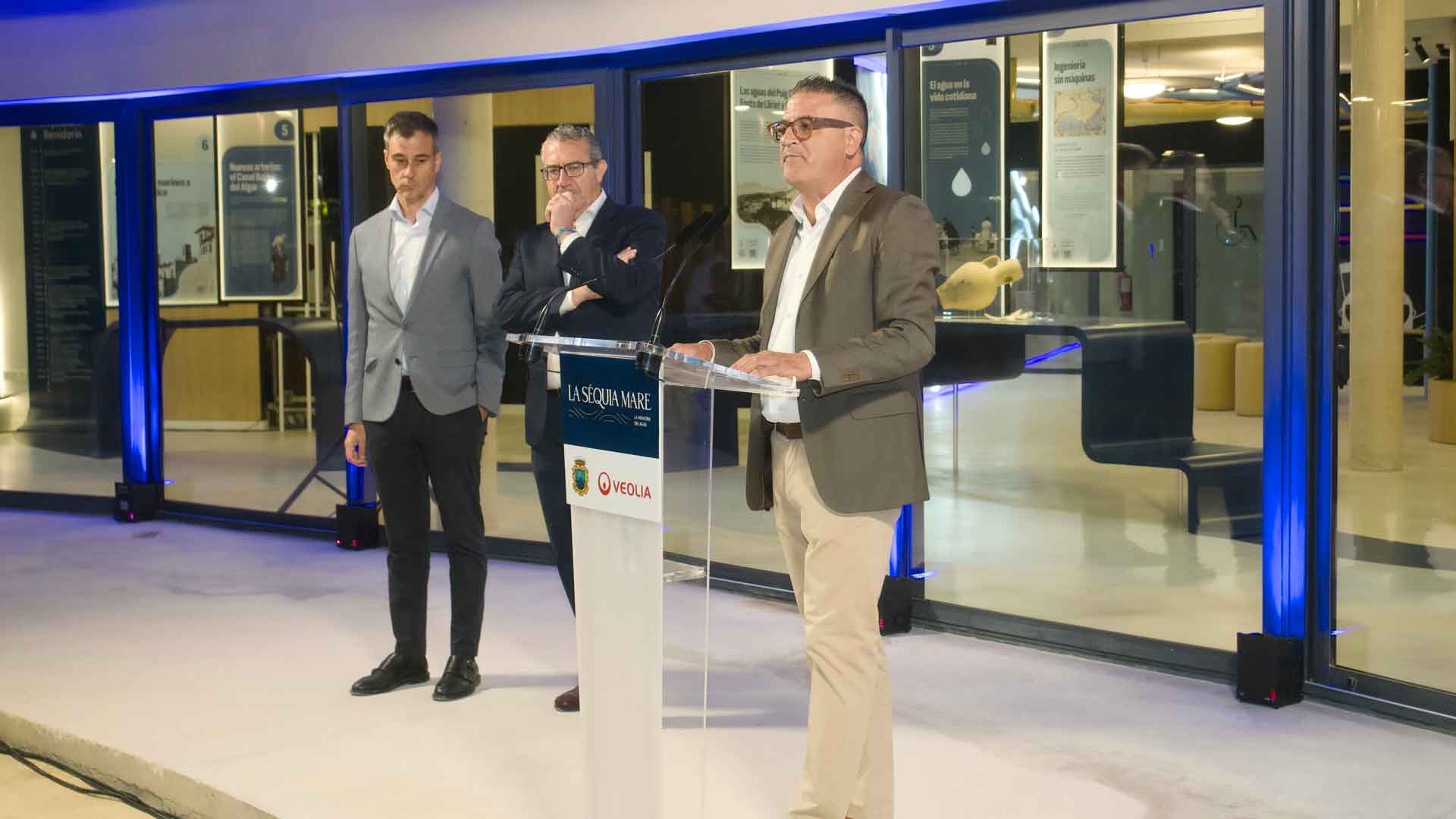
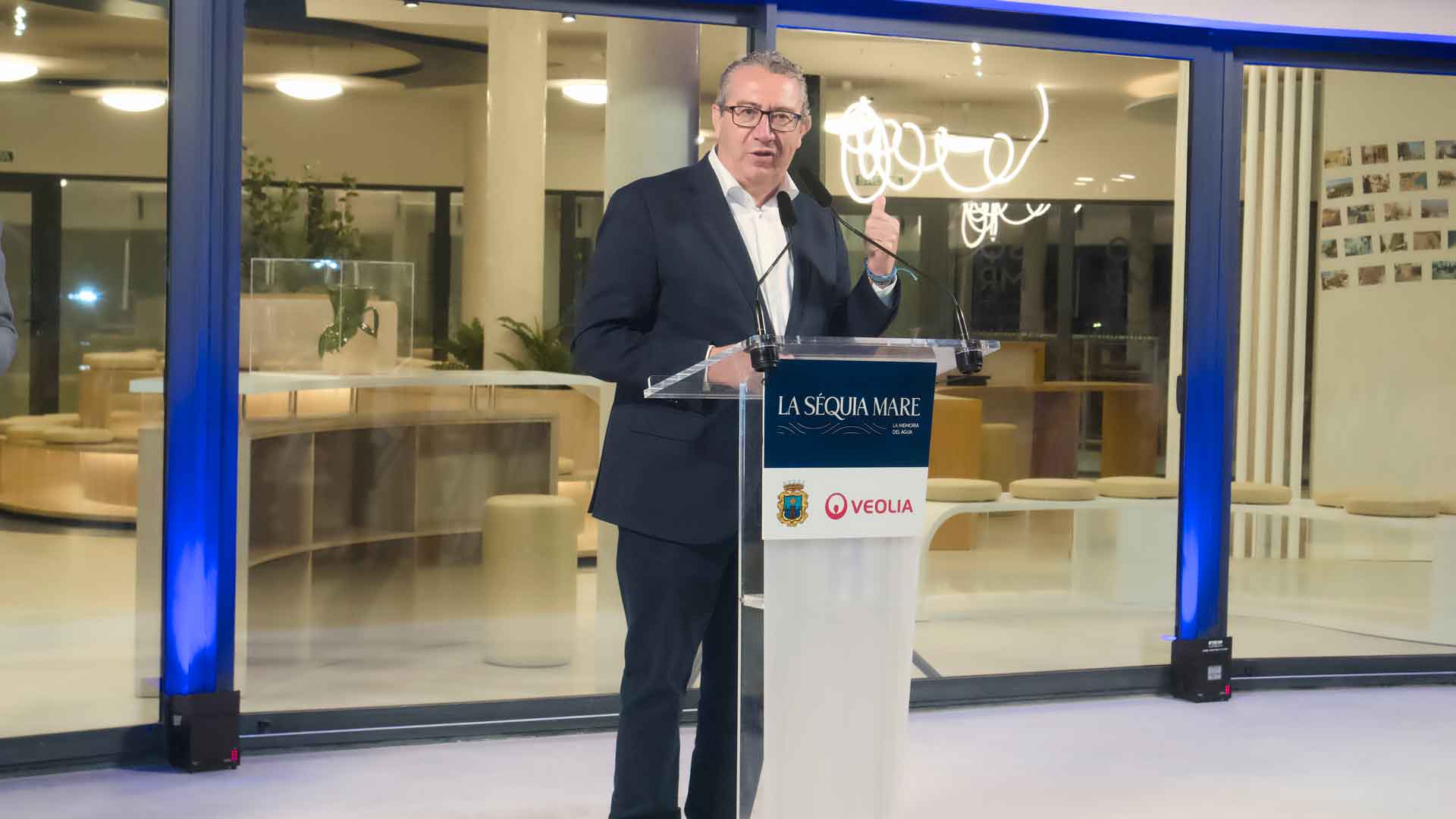
The event was opened by the Councillor for the Water Cycle, José Ramón González de Zárate, who stated that the facility "pays tribute to our most precious asset: water." The councillor briefly reviewed the history of how Benidorm managed this scarce resource over time, highlighting the role of Beatriu Fajardo de Mendoza. "For more than three centuries, we drew our water from the Séquia Mare; it was the source of our prosperity," he noted. He also reflected on the past, recalling that "just a few years ago, this site was a dump," whereas now "we have this park, an Interpretation Centre, a camping area, and—ultimately—a vast area reclaimed for the city."
González de Zárate also highlighted that everything accomplished “has been a team effort—the work of several administrations that made bold decisions, just as Beatriu Fajardo and Pedro Zaragoza did in their time.” He noted that the permanent exhibition “will help us understand Benidorm’s integrated water cycle—a complex, technical process”—and how the city has become “a benchmark in water management, achieving a network efficiency rate of over 95%.” “That is a figure far above the national average—something very few cities in the world can boast,” he added. The councilor concluded his remarks by urging everyone “never to forget the importance of protecting such a valuable resource and conserving every drop of water, so that future generations can continue to enjoy Benidorm.”
Next to speak was Jordi Azorín, Veolia’s regional director, who stated that it was “an honor to be part of this story.” Azorín highlighted key milestones in Benidorm, such as the creation of the Dinapsis center nine years ago and the operation of the wastewater treatment plant, “which produces water and runs on its own electricity.” “And we continue to improve, as evidenced by last night’s recognition,” he added, referring to the European Commission awarding Benidorm the Green Leaf distinction. Azorín noted that the Interpretation Center serves two purposes: “On one hand, raising awareness—something Benidorm’s residents already possess, but which must be extended to our visitors. And on the other, serving as a vital hub for understanding water management.”
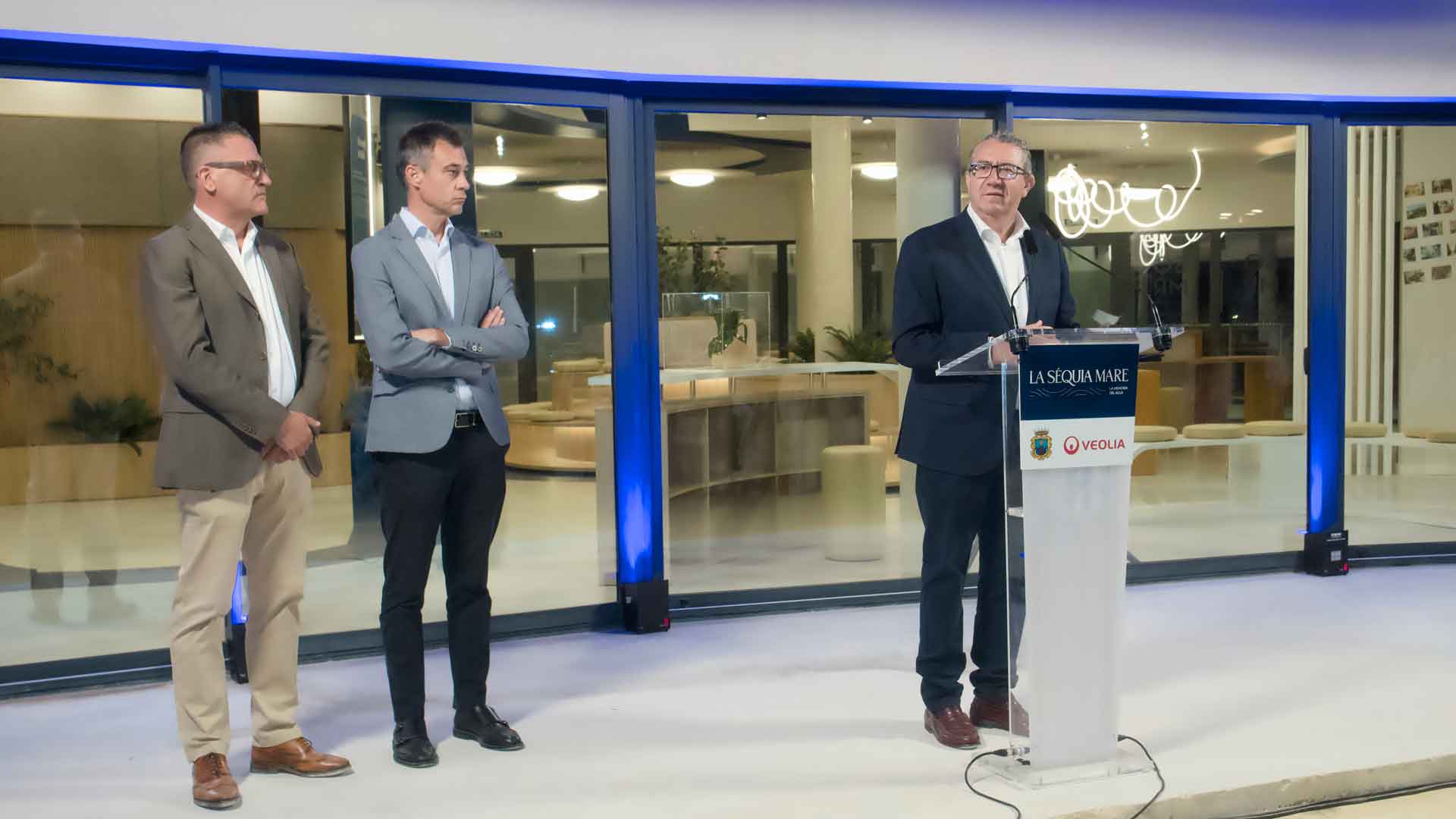
Benidorm Mayor Toni Pérez closed the event by first referencing Beatriu Fajardo, noting that she “knew something had to be implemented to ensure a future for Benidorm.” It was starting in the 17th century “that people began to arrive and a water culture began to take shape—one that we preserve to this day.” “Water has been, is, and will continue to be a matter of the future. It was so in 1666, and it remains so today. Back then, the challenge was bringing it to our fields; today, we must capture, treat, and distribute it with maximum efficiency, as well as purify and reuse it. The tools have changed, but the responsibility has not,” Pérez stated.
However, he continued, water is a scarce resource, and that very fact—its scarcity—has driven us to “strive for excellence in water management, allowing all that effort to now be showcased in an Interpretation Centre like this one.” Pérez also referred to a challenge issued years ago within *La Taula del Bon Profit* “to find a way to commemorate the history of water in Benidorm”—an initiative that has now become a reality.
The Centre is already operational; in fact, “we have school visits organised for next week. We are going to share the story of water with our young people.” “We want to tell everyone about it, from the youngest to the oldest. The entire facility is designed with the new generations specifically in mind. We don’t just want them to know the history of water; we want them to learn how to safeguard its future. If we can get a child, a young person, or an adult to leave here understanding that turning on a tap doesn’t make water appear by magic, we will have achieved a great deal. And if we leave with the conviction that water is worth far more than what it costs, then the Centre will have fulfilled its mission,” he added.
At that moment, the mayor paid tribute to Paco Santiago, the former municipal engineer who served “under more than seven administrations” and “who, many years ago, was already talking about creating a water technology centre.”
“Most people only know the path water takes between the tap and the drain. We give it little further thought because we have water, yet behind it lies a great deal of effort, work, and investment. And that is precisely what is explained in this centre,” noted the mayor, who also wished to highlight the recognition received the previous day with the Green Leaf award. “We were given the highest award the European Commission can bestow upon a city,” he stated, noting that the awards jury “asked us how it was possible to achieve such efficiency in water management—surpassing the 95% mark.” “That is why they rated us so highly,” he concluded, before inviting those present and all the residents of Benidorm “to enjoy the Centre.”